Bob Furness – författare
Visar alla böcker från författaren Bob Furness. Handla med fri frakt och snabb leverans.
2 produkter
2 produkter
Del 4 - British Ecological Society Ecological Issues
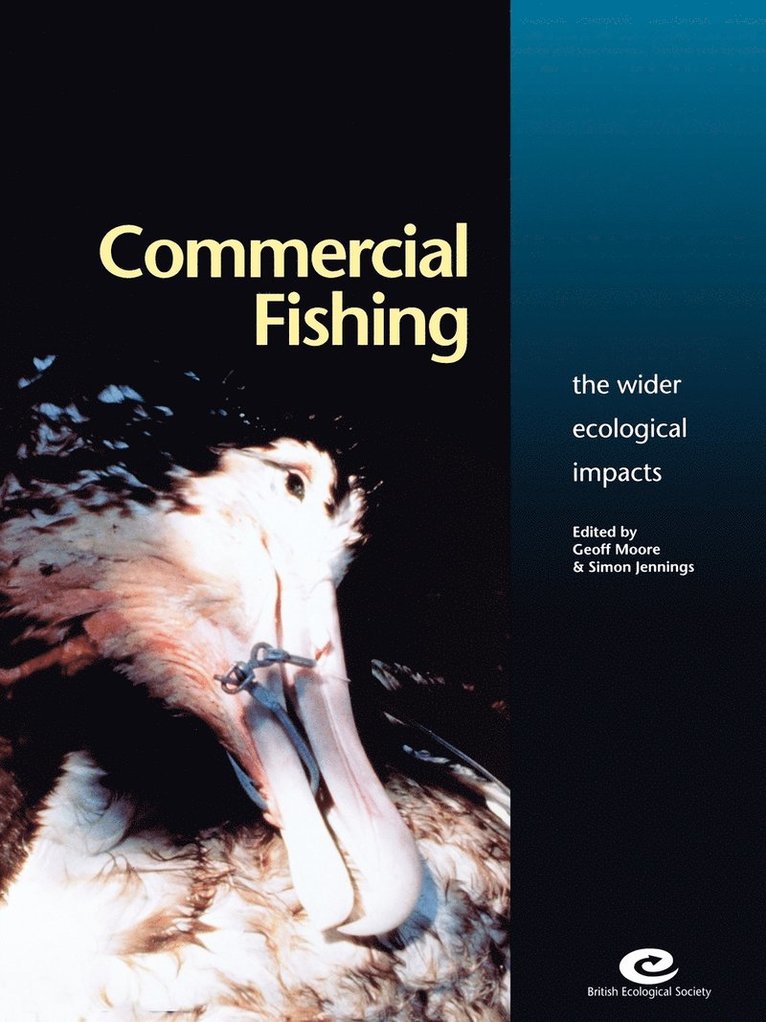
Commerical Fishing
The Wider Ecological Impacts
Häftad, Engelska, 2000
642 kr
Skickas inom 5-8 vardagar
Fishing provides food, income and employment for millions of people. However, fishing has environmental costs that threaten rare species, marine ecosystems and the sustainability of the resource.Based on the research expertise of leading scientists, Commercial Fishing: the Wider Ecological Impacts provides a lively, timely and accessible account of fishing activities and their impacts on marine habitats, biodiversity and species of conservation concern. It covers fishing methods that range from trawling in the Antarctic to fishing with dynamite in the tropics. The authors show how habitats such as the muddy sea beds of the deep sea, kelp forests and coral reefs are affected by fishing and how birds, mammals, turtles and sea snakes both suffer and benefit from fishing activities. They also look to the future, highlighting ways to make fishing gear 'environmentally friendly' and asking whether marine reserves will improve conservation.
E-bok
PDF, Engelska, 2009397 kr
Läs direkt efter köp
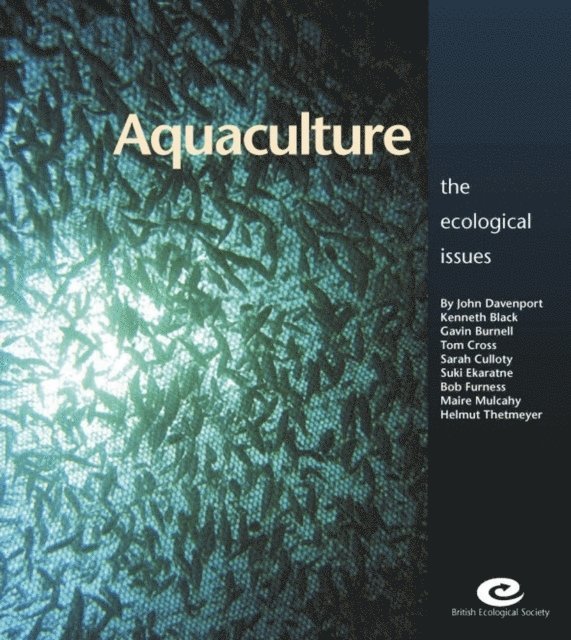
Aquaculture: the ecological issues is written by an international team of researchers. Their aim has been to give an accessible account of the scale and diversity of aquaculture and the impact that it has on habitats and ecosystems throughout the world. It deals with the culture of carp and oysters, catfish and crayfish, salmon and tiger prawns.
Written by an international team of researchers. Provides an accessible account of the scale and diversity of aquaculture and the impact that it has on habitats and ecosystems throughout the world Controversial topics such as habitat loss, the introduction of alien species, genetic pollution by escapees from fish farms and spread of disease from farmed to world populations are covered Focuses on how effects of these problems have been ameliorated and looks to a future where improved technology, better regulation and integrated resource management can combine to make the industry more sustainable