Boğaç A. Ergene – författare
Visar alla böcker från författaren Boğaç A. Ergene. Handla med fri frakt och snabb leverans.
8 produkter
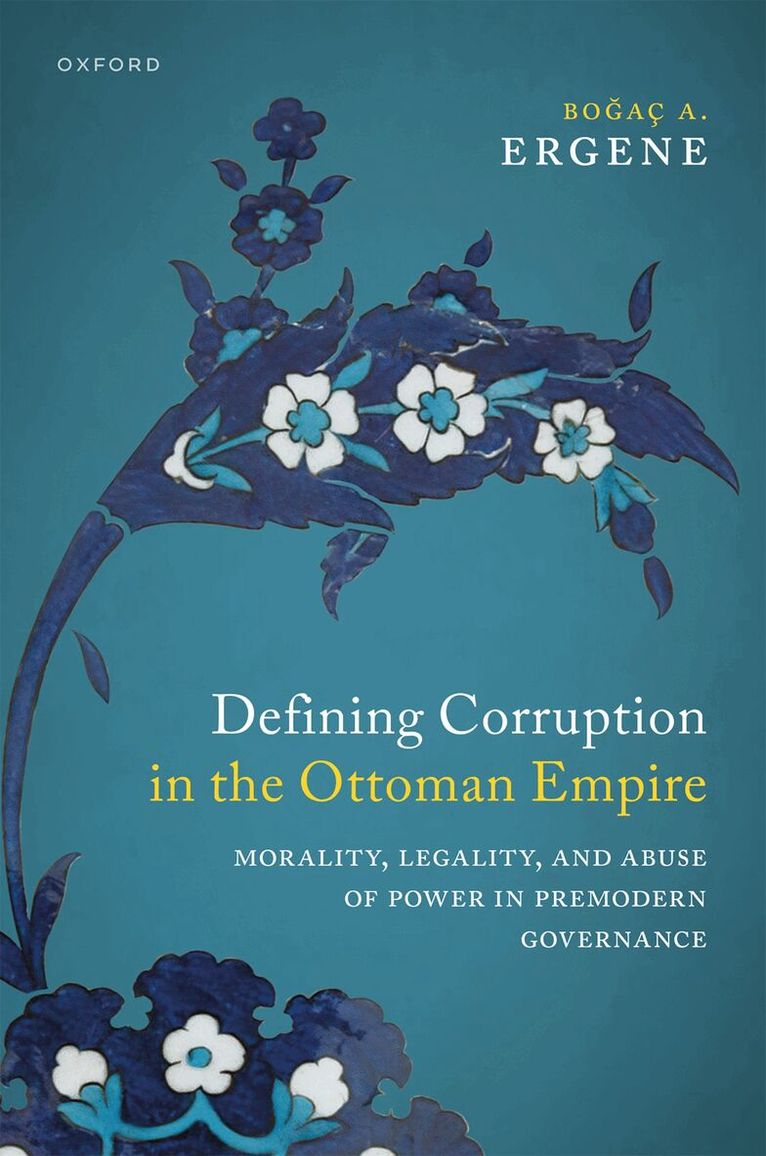
Defining Corruption in the Ottoman Empire
Morality, Legality, and Abuse of Power in Premodern Governance
Inbunden, 2024
1659 kr
Lägg i varukorg
How did the premodern Ottomans understand public office corruption? To answer this question, Defining Corruption in the Ottoman Empire explores how Ottoman jurists, statesmen, political commentators, and others characterized this notion and what specific transgressions they associated with it …
Defining Corruption in the Ottoman Empire
Morality, Legality, and Abuse of Power in Premodern Governance
E-bok, 2024
1699 kr
Lägg i varukorg
How did the premodern Ottomans understand public office corruption? To answer this question, Defining Corruption in the Ottoman Empire explores how Ottoman jurists, statesmen, political commentators, and others characterized this notion and what specific transgressions they associated with it …
Defining Corruption in the Ottoman Empire
Morality, Legality, and Abuse of Power in Premodern Governance
E-bok, 2024
1699 kr
Lägg i varukorg
How did the premodern Ottomans understand public office corruption? To answer this question, Defining Corruption in the Ottoman Empire explores how Ottoman jurists, statesmen, political commentators, and others characterized this notion and what specific transgressions they associated with it …
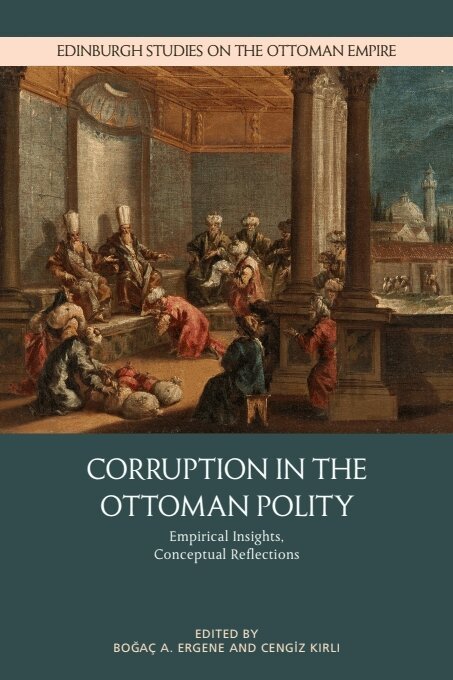
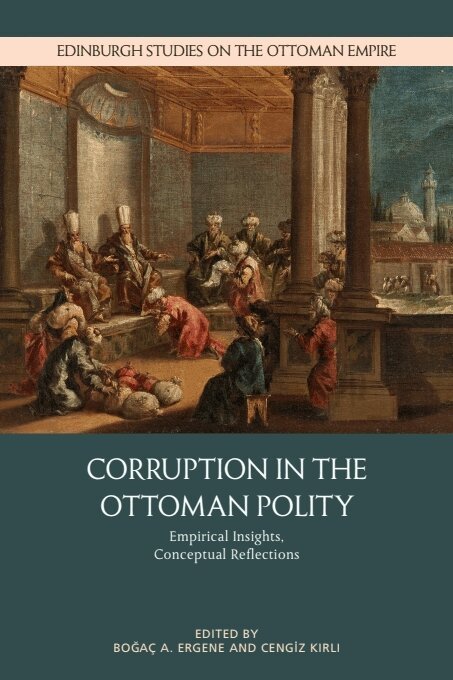
Corruption in the Ottoman Polity
Empirical Insights, Conceptual Reflections
Av Boğaç A. Ergene, Cengiz Kırlı
Häftad, 2027
315 kr
Kommande
This book features essays that explore corruption and its manifestations in the Ottoman Empire through social, political, economic, legal and discursive approaches. Its main goal is to contextualise the notion and investigate its meanings, conceptual parallels and associated behaviour via a nuanced …
Corruption in the Ottoman Polity
Empirical Insights, Conceptual Reflections
Av Boğaç A. Ergene, Cengiz Kırlı
Inbunden, 2025
1266 kr
Lägg i varukorg
This book features essays that explore corruption and its manifestations in the Ottoman Empire through social, political, economic, legal and discursive approaches. Its main goal is to contextualise the notion and investigate its meanings, conceptual parallels and associated behaviour via a nuanced …
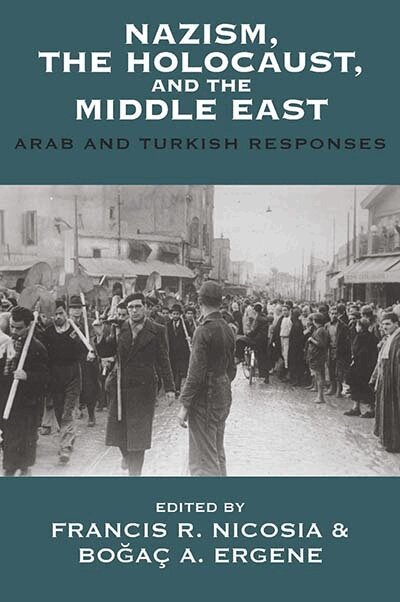
Nazism, The Holocaust, and the Middle East
Arab and Turkish Responses
Av Francis R. Nicosia, Boğaç A. Ergene
Inbunden, 2018
1979 kr
Lägg i varukorg
Despite their geographical separation from Western Europe, ethno-religious diversity, and subordinate status within the Nazi racial hierarchy, many Middle Eastern societies proved remarkably hospitable to National Socialist ideology during the 1930s and 1940s. By focusing on Arab and Turkish …
Nazism, the Holocaust, and the Middle East
Arab and Turkish Responses
Av Bogac A. Ergene, Francis R. Nicosia
E-bok, 2018
268 kr
Lägg i varukorg
Given their geographical separation from Europe, ethno-religious and cultural diversity, and subordinate status within the Nazi racial hierarchy, Middle Eastern societies were both hospitable as well as hostile to National Socialist ideology during the 1930s and 1940s. By focusing on Arab and …
Nazism, the Holocaust, and the Middle East
Arab and Turkish Responses
Av Francis R. Nicosia, Boğaç A. Ergene
Häftad, 2019
359 kr
Lägg i varukorg
Given their geographical separation from Europe, ethno-religious and cultural diversity, and subordinate status within the Nazi racial hierarchy, Middle Eastern societies were both hospitable as well as hostile to National Socialist ideology during the 1930s and 1940s. By focusing on Arab and …