Bonnie Badenoch - Böcker
Visar alla böcker från författaren Bonnie Badenoch. Handla med fri frakt och snabb leverans.
7 produkter
7 produkter
1 906 kr
Skickas inom 10-15 vardagar
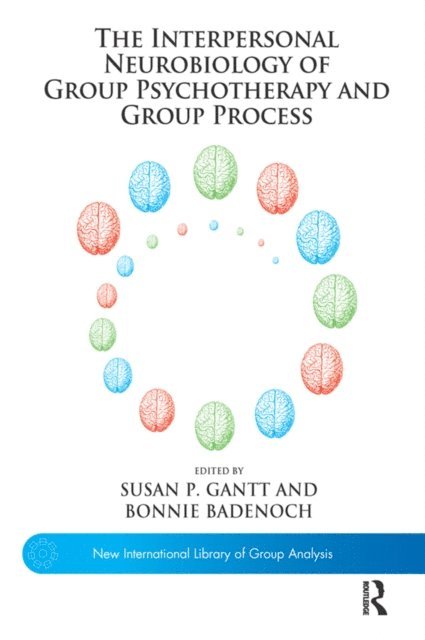
Might it be possible that neuroscience, in particular interpersonal neurobiology, can illuminate the unique ways that group processes collaborate with and enhance the brain's natural developmental and repairing processes? This book brings together the work of twelve contemporary group therapists and practitioners who are exploring this possibility through applying the principles of interpersonal neurobiology (IPNB) to a variety of approaches to group therapy and experiential learning groups. IPNB's focus on how human beings shape one another's brains throughout the life span makes it a natural fit for those of us who are involved in bringing people together so that, through their interactions, they may better understand and transform their own deeper mind and relational patterns. Group is a unique context that can trigger, amplify, contain, and provide resonance for a broad range of human experiences, creating robust conditions for changing the brain.
427 kr
Skickas inom 7-10 vardagar
Neuroscientific discoveries have begun to illuminate the workings of the active brain in intricate detail. In fact, sometimes it seems that in order to be a cutting-edge therapist, not only do you need knowledge of traditional psychotherapeutic models, but a solid understanding of the role the brain plays as well. But theory is never enough. You also need to know how to apply the theories to work with actual clients during sessions.In easy-to-understand prose, Being a Brain-Wise Therapist reviews the basic principles about brain structure, function, and development, and explains the neurobiological correlates of some familiar diagnostic categories. You will learn how to make theory come to life in the midst of clinical work, so that the principles of interpersonal neurobiology can be applied to a range of patients and issues, such as couples, teens, and children, and those dealing with depression, anxiety, and other disorders. Liberal use of exercises and case histories enliven the material and make this an essential guide for seamlessly integrating the latest neuroscientific research into your therapeutic practice.
486 kr
Skickas inom 7-10 vardagar
Chock-full of exercises and strategies, this book will allow clients to deepen the key principles of interpersonal neurobiology that Bonnie Badenoch wrote about in her earlier book. Topics include spotting implicit patterns, observing the bond with kindness, expanding our coherent narratives, coming to terms with the passage of time, and weaving brain talk into personal understanding.
252 kr
Tillfälligt slut
416 kr
Skickas inom 7-10 vardagar
Images and sounds of war, natural disasters, and human-made devastation explicitly surround us and implicitly leave their imprint in our muscles, our belly and heart, our nervous systems, and the brains in our skulls. We each experience more digital data than we are capable of processing in a day, and this is leading to a loss of empathy and human contact. This loss of leisurely, sustained, face-to-face connection is making true presence a rare experience for many of us, and is neurally ingraining fast pace and split attention as the norm.Yet despite all of this, the ability to offer the safe sanctuary of presence is central to effective clinical treatment of trauma and indeed to all of therapeutic practice. It is our challenge to remain present within our culture, Badenoch argues, no matter how difficult this might be. She makes the case that we are built to seek out, enter, and sustain warm relationships, all this connection will allow us to support the emergence of a humane world.In this book, Bonnie Badenoch, a gifted translator of neuroscientific concepts into human terms, offers readers brain- and body-based insights into how we can form deep relational encounters with our clients and our selves and how relational neuroscience can teach us about the astonishing ways we are interwoven with one another. How we walk about in our daily lives will touch everyone, often below the level of conscious awareness. The first part of The Heart of Trauma provides readers with an extended understanding of the ways in which our physical bodies are implicated in our conscious and non-conscious experience. Badenoch then delves even deeper into the clinical implications of moving through the world. She presents a strong, scientifically grounded case for doing the work of opening to hemispheric balance and relational deepening.
504 kr
Skickas inom 10-15 vardagar
Might it be possible that neuroscience, in particular interpersonal neurobiology, can illuminate the unique ways that group processes collaborate with and enhance the brain's natural developmental and repairing processes? This book brings together the work of twelve contemporary group therapists and practitioners who are exploring this possibility through applying the principles of interpersonal neurobiology (IPNB) to a variety of approaches to group therapy and experiential learning groups. IPNB's focus on how human beings shape one another's brains throughout the life span makes it a natural fit for those of us who are involved in bringing people together so that, through their interactions, they may better understand and transform their own deeper mind and relational patterns. Group is a unique context that can trigger, amplify, contain, and provide resonance for a broad range of human experiences, creating robust conditions for changing the brain.The chapters included here introduce and highlight the theoretical and research literatures from an IPNB perspective, especially the newer understandings of brain plasticity, mirror neurons, the autonomic nervous system, implicit and explicit memory, affect regulation and the relation between attachment and brain development. Building on these understandings, the authors elaborate on work with varying types of groups as seen through an IPNB lens, for example; how systems-centered therapy creates a rich neurobiological climate that supports integration; how children's groups can help with sensory motor, psychological, and interpersonal development; how using an IPNB frame enables couples' groups to attain more solid interpersonal regulation; and how experiential learning groups can transform implicit memory.
226 kr
Skickas inom 3-6 vardagar