Boris Kondoch – författare
Visar alla böcker från författaren Boris Kondoch. Handla med fri frakt och snabb leverans.
6 produkter
International Peacekeeping
Inbunden, 2007
9547 kr
Lägg i varukorg
Peacekeeping has been the technique most frequently used by, and associated with, the United Nations to end conflicts and to preserve peace. In addition, international and regional organizations have also performed peacekeeping functions. Since the establishment of the first UN peacekeeping …
International Peacekeeping
E-bok, 2017
765 kr
Lägg i varukorg
Peacekeeping has been the technique most frequently used by, and associated with, the United Nations to end conflicts and to preserve peace. In addition, international and regional organizations have also performed peacekeeping functions. Since the establishment of the first UN peacekeeping …
International Peacekeeping
E-bok, 2017
765 kr
Lägg i varukorg
Peacekeeping has been the technique most frequently used by, and associated with, the United Nations to end conflicts and to preserve peace. In addition, international and regional organizations have also performed peacekeeping functions. Since the establishment of the first UN peacekeeping …
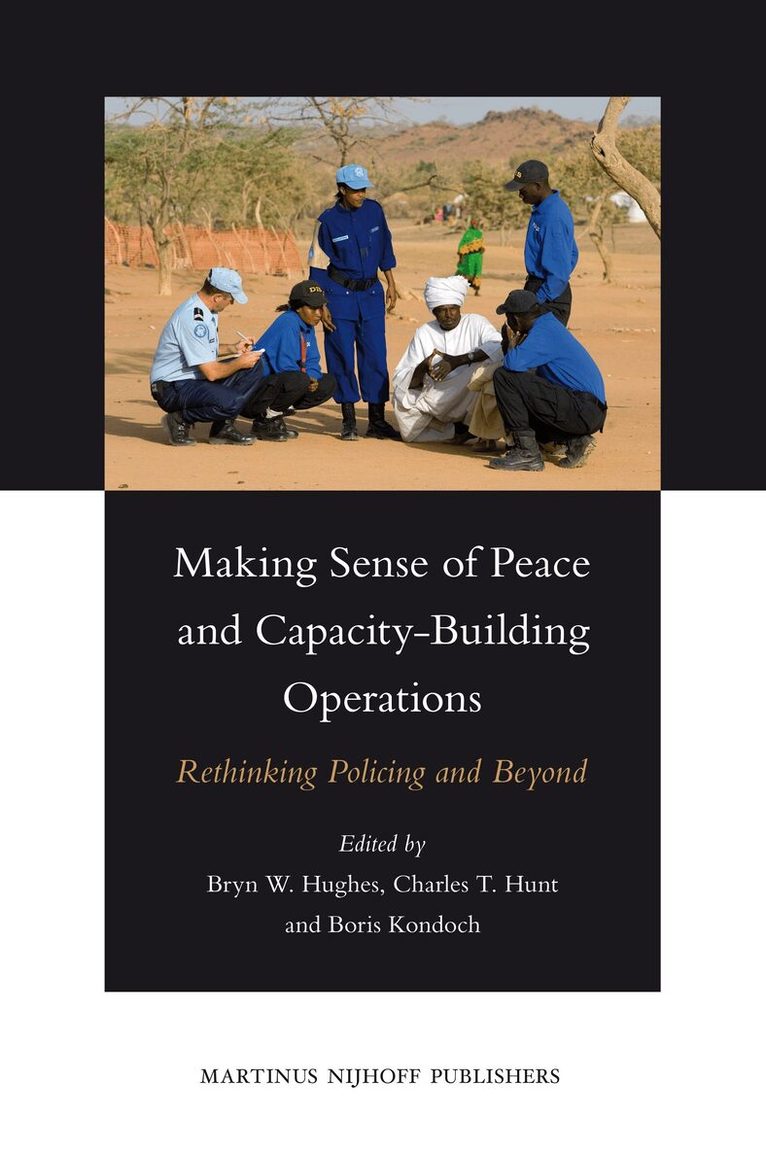
Making Sense of Peace and Capacity-Building Operations
Rethinking Policing and Beyond
Av Bryn Hughes, Charles T. Hunt m. fl.
Häftad, 2010
1436 kr
Lägg i varukorg
The realm of international peace and capacity development operations is a critical and contested space. The international community has increasingly focused on this area, relying upon these endeavours to not only bring lasting peace, but also to provide sustainable development for some of the most …
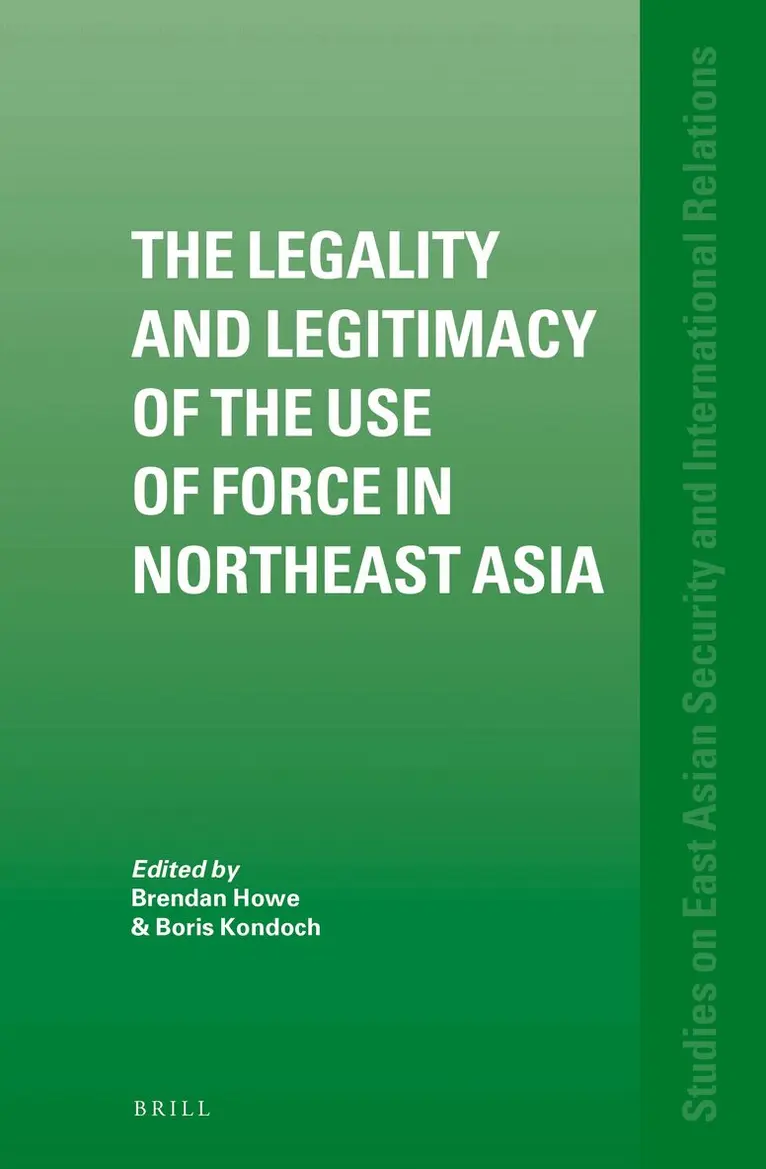
Legality and Legitimacy of the Use of Force in Northeast Asia
Av Brendan Howe, Boris Kondoch
Inbunden, 2013
2531 kr
Lägg i varukorg
In The Legality and Legitimacy of the Use of Force in Northeast Asia, Brendan Howe and Boris Kondoch bring together distinguished authors with extensive Northeast Asian backgrounds to offer a diverse and comprehensive evaluation of when it is right, from regional perspectives, to use force in …
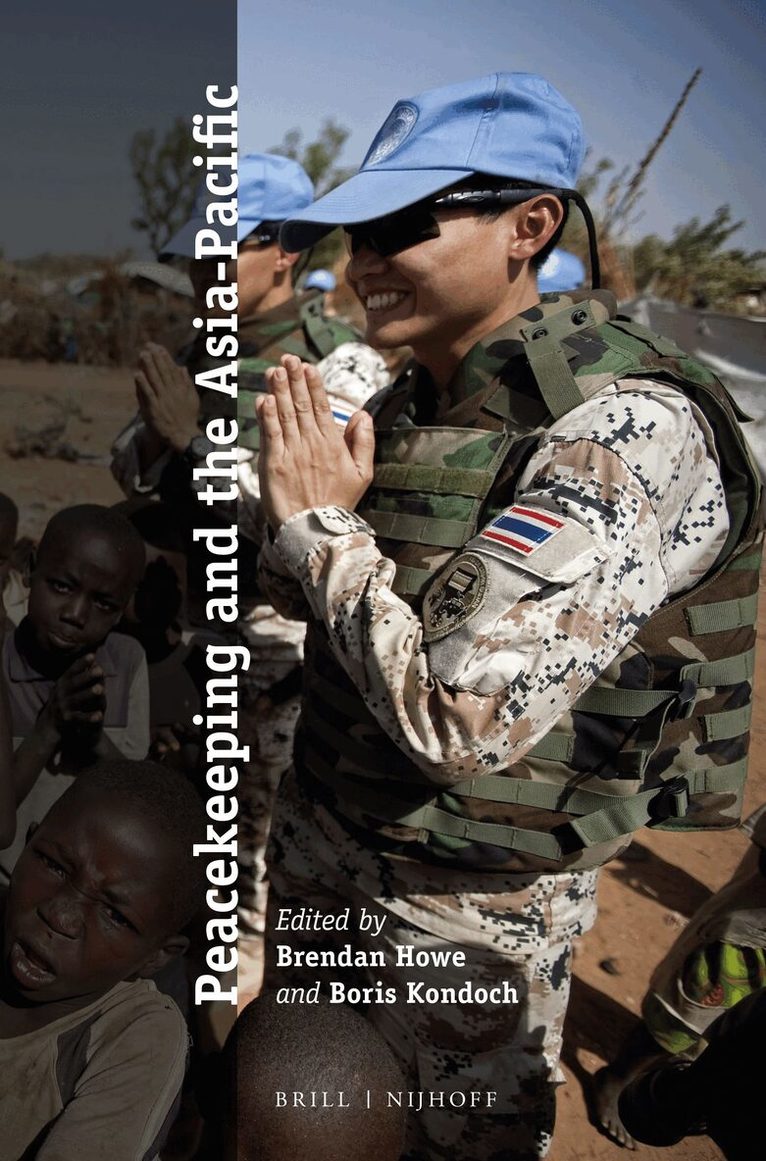
Peacekeeping and the Asia-Pacific
Av Brendan Howe, Boris Kondoch
Häftad, 2016
1441 kr
Lägg i varukorg
Peacekeeping and the Asia-Pacific explores the politics, challenges, and future of UN peacekeeping operations from the Asia-Pacific. The first section looks at contributions from the sub-regions: Northeast Asia, Southeast Asia, and South Asia. The second section of the book looks at individual …