Brad M. Maguth - Böcker
Visar alla böcker från författaren Brad M. Maguth. Handla med fri frakt och snabb leverans.
4 produkter
4 produkter
557 kr
Skickas inom 10-15 vardagar
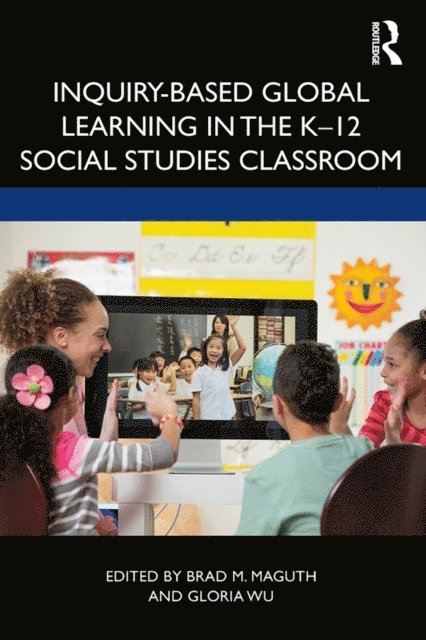
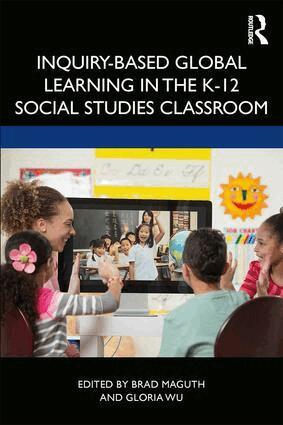
This book, edited by experienced scholars in the field, brings together a diverse array of educators to showcase lessons, activities, and instructional strategies that advance inquiry-oriented global learning. Directly aligned to the College, Career, and Civic Life (C3) Framework for Social Studies State Standard, this work highlights ways in which global learning can seamlessly be interwoven into the disciplines of history, economics, geography, civics, psychology, sociology, and anthropology. Recently adopted by the National Council for the Social Studies, the nation’s largest professional organization of history and social studies teachers, the C3 Framework prioritizes inquiry-oriented learning experiences across the social studies disciplines in order to advance critical thinking, problem solving, and participatory skills for engaged citizenship.
2 037 kr
Skickas inom 10-15 vardagar
This book, edited by experienced scholars in the field, brings together a diverse array of educators to showcase lessons, activities, and instructional strategies that advance inquiry-oriented global learning. Directly aligned to the College, Career, and Civic Life (C3) Framework for Social Studies State Standard, this work highlights ways in which global learning can seamlessly be interwoven into the disciplines of history, economics, geography, civics, psychology, sociology, and anthropology. Recently adopted by the National Council for the Social Studies, the nation’s largest professional organization of history and social studies teachers, the C3 Framework prioritizes inquiry-oriented learning experiences across the social studies disciplines in order to advance critical thinking, problem solving, and participatory skills for engaged citizenship.
New Directions in Social Education Research
The Influence of Technology and Globalization on the Lives of Students
Häftad, Engelska, 2012
515 kr
Skickas inom 7-10 vardagar
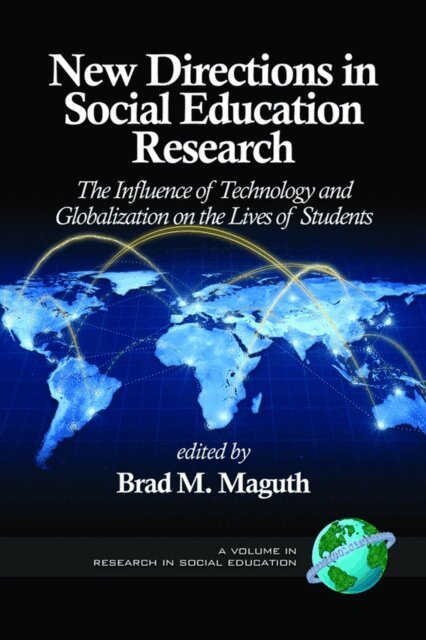
Through rapid developments in commerce, transportation and communication, people once separated by space, language and politics are now interwoven into a complex global system (Friedman, 2005). With the rise of new technology, local populations, businesses and states are better equipped to participate and act in a thriving international environment. Rising instability in the Middle East is immediately reported to oil and gas brokers in the U.S. Within seconds cable channels, iPods, social networking sites, and cell phones are relaying how protests in Egypt and Libya give hope to citizens around the world yearning for freedom. As events like 9/11 and the 2008 Financial Crisis have demonstrated, there is no retreating from the interconnectedness of the global system. As societies strive to empower citizens with the skills, understandings and dispositions needed to operate in an interconnected global age, teachers are being encouraged to help students use technologies to develop new knowledge and foster cross cultural understandings.As pressures mount for society to equip today’s youth with both the global and digital understandings necessary to confront the challenges of the 21st century, a more thorough analysis must be undertaken to examine the role of technology on student learning (Peters, 2009). This work will highlight the complex, contested, and contingent ways new technologies are being used by today’s youth in a digital and global age. This text will present audiences with in-demand research that investigates the ways in which student use of technology mediates and complicates their learning about the world, its people, and global issues.
New Directions in Social Education Research
The Influence of Technology and Globalization on the Lives of Students
Inbunden, Engelska, 2012
950 kr
Skickas inom 7-10 vardagar
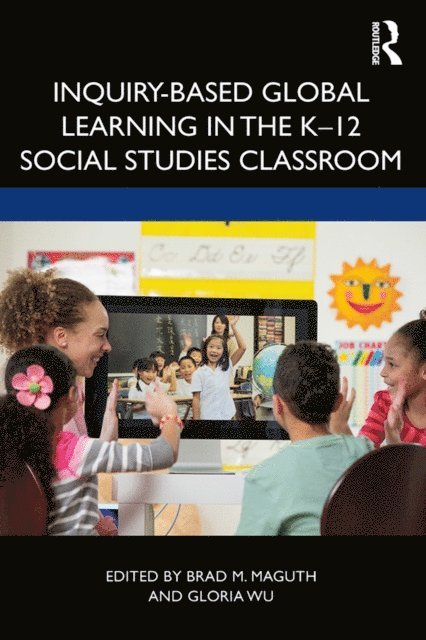
Through rapid developments in commerce, transportation and communication, people once separated by space, language and politics are now interwoven into a complex global system (Friedman, 2005). With the rise of new technology, local populations, businesses and states are better equipped to participate and act in a thriving international environment. Rising instability in the Middle East is immediately reported to oil and gas brokers in the U.S. Within seconds cable channels, iPods, social networking sites, and cell phones are relaying how protests in Egypt and Libya give hope to citizens around the world yearning for freedom. As events like 9/11 and the 2008 Financial Crisis have demonstrated, there is no retreating from the interconnectedness of the global system. As societies strive to empower citizens with the skills, understandings and dispositions needed to operate in an interconnected global age, teachers are being encouraged to help students use technologies to develop new knowledge and foster cross cultural understandings.As pressures mount for society to equip today’s youth with both the global and digital understandings necessary to confront the challenges of the 21st century, a more thorough analysis must be undertaken to examine the role of technology on student learning (Peters, 2009). This work will highlight the complex, contested, and contingent ways new technologies are being used by today’s youth in a digital and global age. This text will present audiences with in-demand research that investigates the ways in which student use of technology mediates and complicates their learning about the world, its people, and global issues.