Brandice Canes–wrone – författare
Visar alla böcker från författaren Brandice Canes–wrone. Handla med fri frakt och snabb leverans.
6 produkter
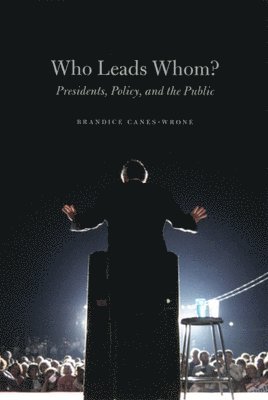
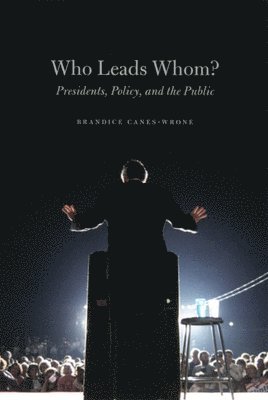
Who Leads Whom? – Presidents, Policy, and the Public
Häftad, 2005
265 kr
Lägg i varukorg
"Who Leads Whom?" is an ambitious study that addresses some of the most important questions in contemporary American politics: Do presidents pander to public opinion by backing popular policy measures that they believe would actually harm the country? Why do presidents "go public" with policy …
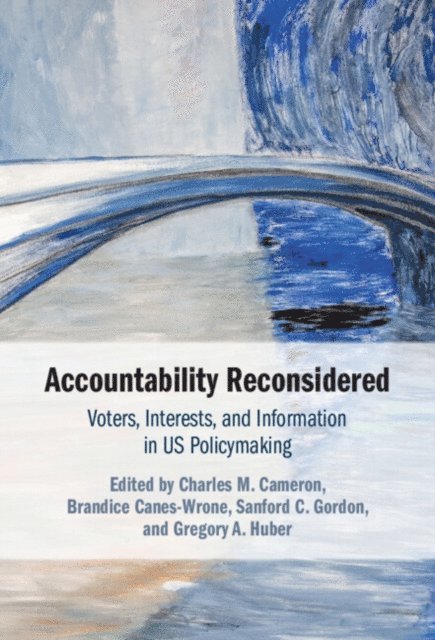
Accountability Reconsidered
Voters, Interests, and Information in US Policymaking
Av Charles M. Cameron, Brandice Canes-Wrone m. fl.
Häftad, 2024
445 kr
Lägg i varukorg
The last two decades have witnessed a substantial change in the media environment, growing polarization of the two dominant parties, and increasing inequality of wealth and income. These profound changes necessitate updating our understanding of political accountability. Accountability Reconsidered …
Accountability Reconsidered
Voters, Interests, and Information in US Policymaking
Av Charles M. Cameron, Brandice Canes-Wrone m. fl.
Inbunden, 2023
1351 kr
Lägg i varukorg
The last two decades have witnessed a substantial change in the media environment, growing polarization of the two dominant parties, and increasing inequality of wealth and income. These profound changes necessitate updating our understanding of political accountability. Accountability Reconsidered …
Accountability Reconsidered
Voters, Interests, and Information in US Policymaking
Av Gregory A. Huber, Sanford C. Gordon m. fl.
E-bok, 2023
440 kr
Lägg i varukorg
The last two decades have witnessed a substantial change in the media environment, growing polarization of the two dominant parties, and increasing inequality of wealth and income. These profound changes necessitate updating our understanding of political accountability. Accountability Reconsidered …
Accountability Reconsidered
Voters, Interests, and Information in US Policymaking
Av Gregory A. Huber, Sanford C. Gordon m. fl.
E-bok, 2023
431 kr
Lägg i varukorg
The last two decades have witnessed a substantial change in the media environment, growing polarization of the two dominant parties, and increasing inequality of wealth and income. These profound changes necessitate updating our understanding of political accountability. Accountability Reconsidered …
Who Leads Whom? – Presidents, Policy, and the Public
Inbunden, 2005
613 kr
Tillfälligt slut
"Who Leads Whom?" is an ambitious study that addresses some of the most important questions in contemporary American politics: Do presidents pander to public opinion by backing popular policy measures that they believe would actually harm the country? Why do presidents "go public" with policy …