Brandon Fogel - Böcker
Visar alla böcker från författaren Brandon Fogel. Handla med fri frakt och snabb leverans.
2 produkter
2 produkter
391 kr
Skickas inom 7-10 vardagar
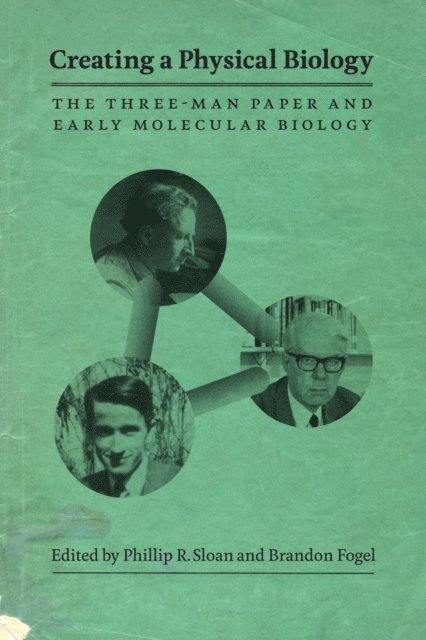
In 1935 geneticist Nikolai Timofeeff-Ressovsky, radiation physicist Karl G. Zimmer, and quantum physicist Max Delbruck published "On the Nature of Gene Mutation and Gene Structure", known subsequently as the "Three-Man Paper". This seminal paper advanced work on the physical exploration of the structure of the gene through radiation physics and suggested ways in which physics could reveal definite information about gene structure, mutation, and action. Representing a new level of collaboration between physics and biology, it played an important role in the birth of the new field of molecular biology. The paper's results were popularized for a wide audience in the "What is Life?", lectures of physicist Erwin Schrodinger in 1944. Despite its historical impact on the biological sciences, the paper has remained largely inaccessible because it was only published in a short-lived German periodical. "Creating a Physical Biology" makes the "Three Man Paper" available in English for the first time. Brandon Fogel's translation is accompanied by an introductory essay by Fogel and Phillip R.Sloan and a set of essays by leading historians and philosophers of biology that explore the context, contents, and subsequent influence of the paper, as well as its importance for the wider philosophical analysis of biological reductionism.
Gentelligence
The Revolutionary Approach to Leading an Intergenerational Workforce
Inbunden, Engelska, 2021
447 kr
Skickas inom 10-15 vardagar
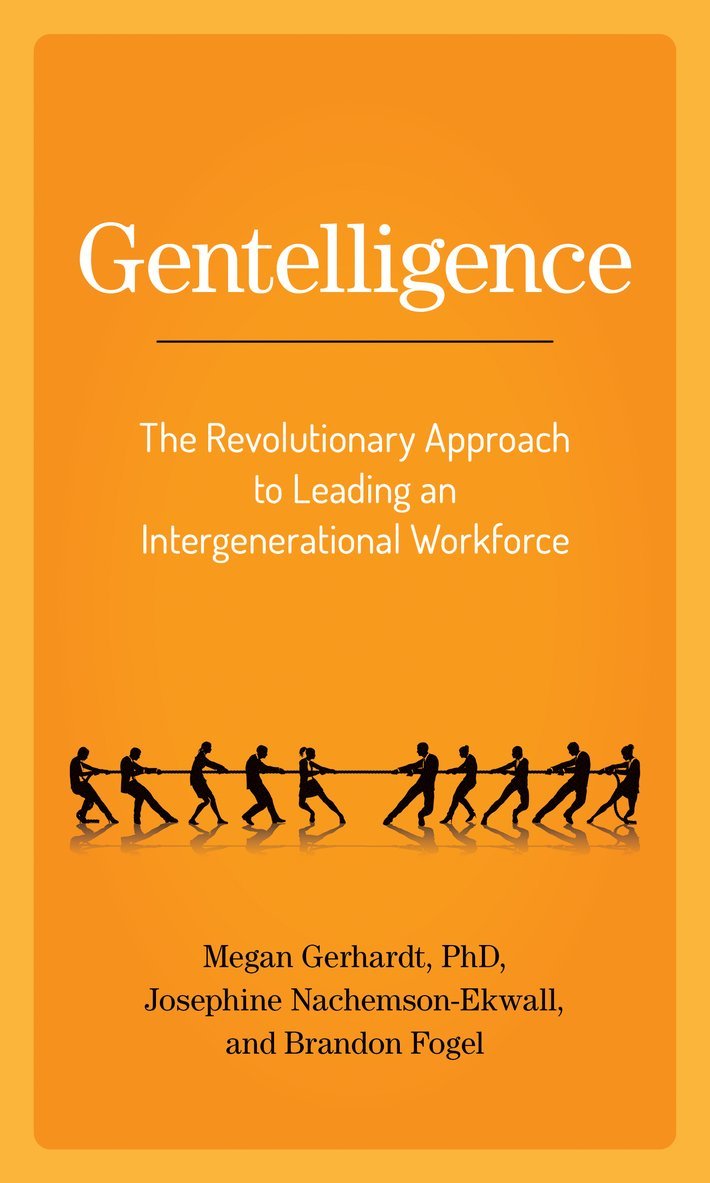
"Vital for any organization with multigenerational staffs, and for marketers, public relations professionals, HRD managers, or executives." Library Journal, Starred ReviewGentelligence: The Revolutionary Approach to Leading an Intergenerational Workforce presents a transformative way to end the generational wars once and for all. This book first introduces Gentelligence as a powerful business strategy and shows why it is critical for the future of work. It then presents a practical guide and a call to action for leaders of all ages to unlock the potential strengths of each generation. Readers will learn how an intergenerational workforce can be reframed as a profound business opportunity and discover how Gentelligence can help them win the talent war, create strong, diverse teams, and build adaptable cultures that will flourish in an era of rapid change.Gentelligence shares groundbreaking evidence that will have readers thinking about their generationally diverse workforce in an entirely different way. Readers will discover:Where generational conflict originates, and how it results in both dangerous ageism and reverse ageism in today’s workplaces.Why the generation gap stems from a misunderstanding of shared core values across all generations. How to find essential common ground with colleagues, both older and younger, and recognize the unique needs that come with different generational identities. How generational shaming leads us to view those from other generations as competitors rather than collaborators, further damaging employee engagement, team dynamics, innovation, and organizational culture. How leveraging the unique strengths of each generation at work can lead to a win-win outcome for all. How traditional views on leadership have been turned upside down as a result of new generational dynamics, with many employees currently being led by managers that are younger than themselves, and older leaders struggling to make sense of changing norms around authority and power. Gentelligence reveals the opportunities within an intergenerational workforce and provides actionable tools to help leaders build Gentelligent organizations. Unlike other books on generational leadership, this book rejects common stereotypes assigned to different generations, replacing them with a deep understanding of why those who grew up in different times may behave in unique and valuable, ways. We challenge leaders to go beyond simply accepting generational differences to leverage them proactively to increase engagement, innovation, and organizational success.