Brassai – författare
Visar alla böcker från författaren Brassai. Handla med fri frakt och snabb leverans.
9 produkter
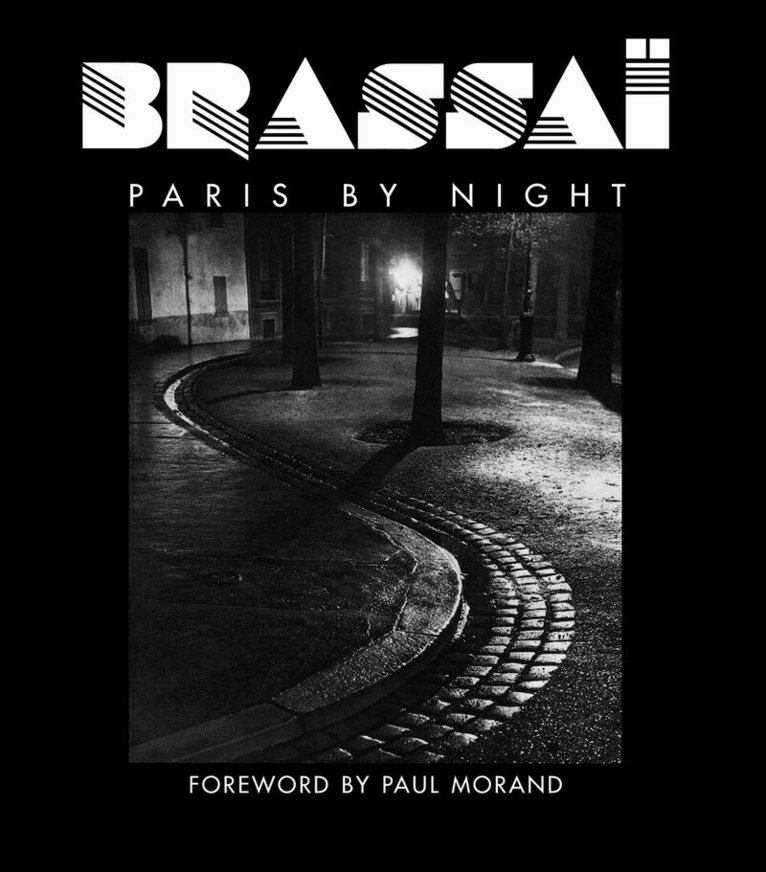
Brassaï: Paris by Night
Av Brassai
Inbunden, 2025
355 kr
Lägg i varukorg
This essential reference in the history of urban photography—compiled by Brassaï himself and first published in 1933—has been meticulously reproduced in a new edition, with tinted page edges. The city of Paris bewitched Hungarian-born Brassaï. Working as a journalist by day in the early 1930s, he …
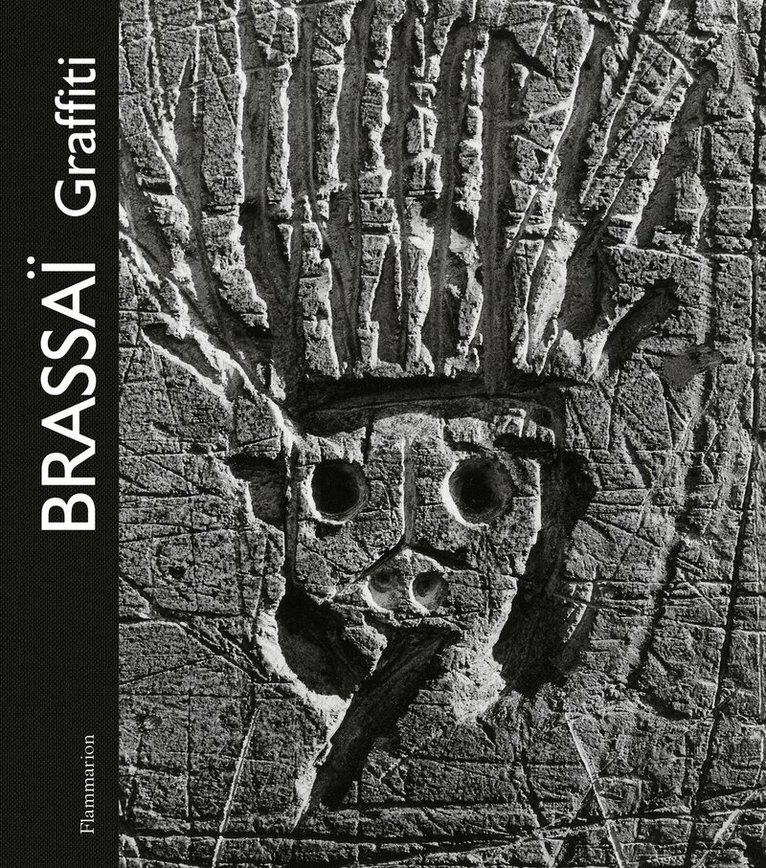
Brassai: Graffiti
Av Brassaï
Inbunden, 2026
355 kr
Lägg i varukorg
Master photographer Brassaï’s seminal volume dedicated to street graffiti is back in print. Brassaï celebrated the primal forces at play in the act of defacing a wall and the “magical” power of the symbols inscribed. A fundamentally human gesture, graffiti is a distillation of all aspects of …
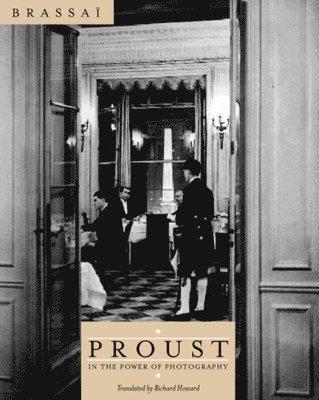
Proust in the Power of Photography
Av Brassai
Inbunden, 2001
559 kr
Lägg i varukorg
One of the most original and memorable photographers of the 20th century, Brassai was also a journalist, sculptor and writer. He took great pride in his writing, and he loved literature and language - French most of all. When he arrived in Paris in 1924, Brassai began teaching himself French by …
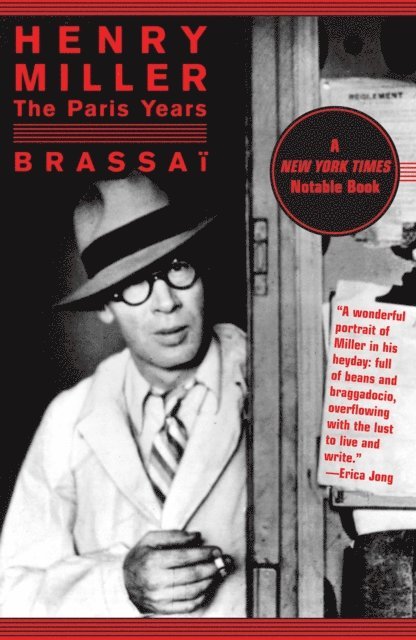
Henry Miller
The Paris Years
Av Brassai
E-bok, 2021
133 kr
Lägg i varukorg
“A wonderful portrait of Miller in his heyday: full of beans and braggadocio, overflowing with the lust to live and write.”—Erica Jong His years in Paris were the making of Henry Miller. He arrived with no money, no fixed address, and no prospects. He left as the renowned if not notorious author of …
Henry Miller, Happy Rock
Av Brassai
Inbunden, 2002
270 kr
Tillfälligt slut
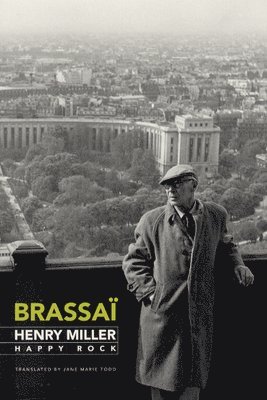
In a world like this one, it's difficult to devote oneself to art body and soul. To get published, to get exhibited, to get produced often requires ten or twenty years of patient, intense labour. I spent half my life at it! And how do you survive during all that time? Beg? Live off other people …
Brassaï
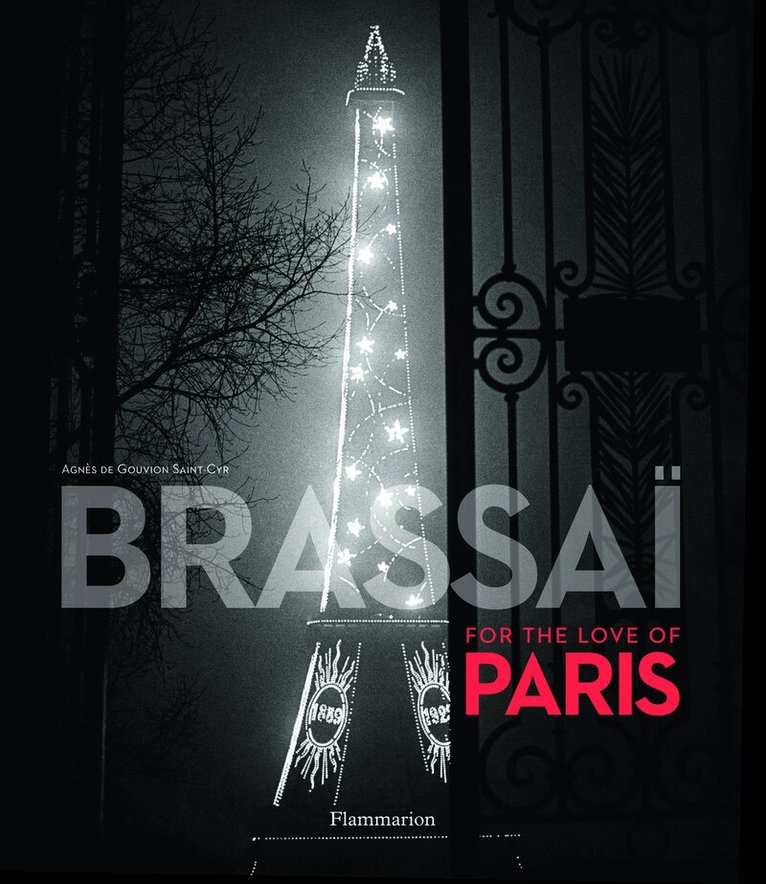
For the Love of Paris
Av Brassaï, Agnès de Gouvion Saint-Cyr
Inbunden, 2013
326 kr
Tillfälligt slut
Hungarian-born photographer Brassaï dedicated more than fifty years of his artistic creation to capturing his adoptive city in all its facets. From winsome children playing in the public gardens to amorous couple on amusement park attractions, from opera and ballet stars to prostitutes and …