Brenda Tooley – författare
Visar alla böcker från författaren Brenda Tooley. Handla med fri frakt och snabb leverans.
5 produkter
5 produkter
Inbunden, Engelska, 1995
516 kr
Skickas inom 10-15 vardagar
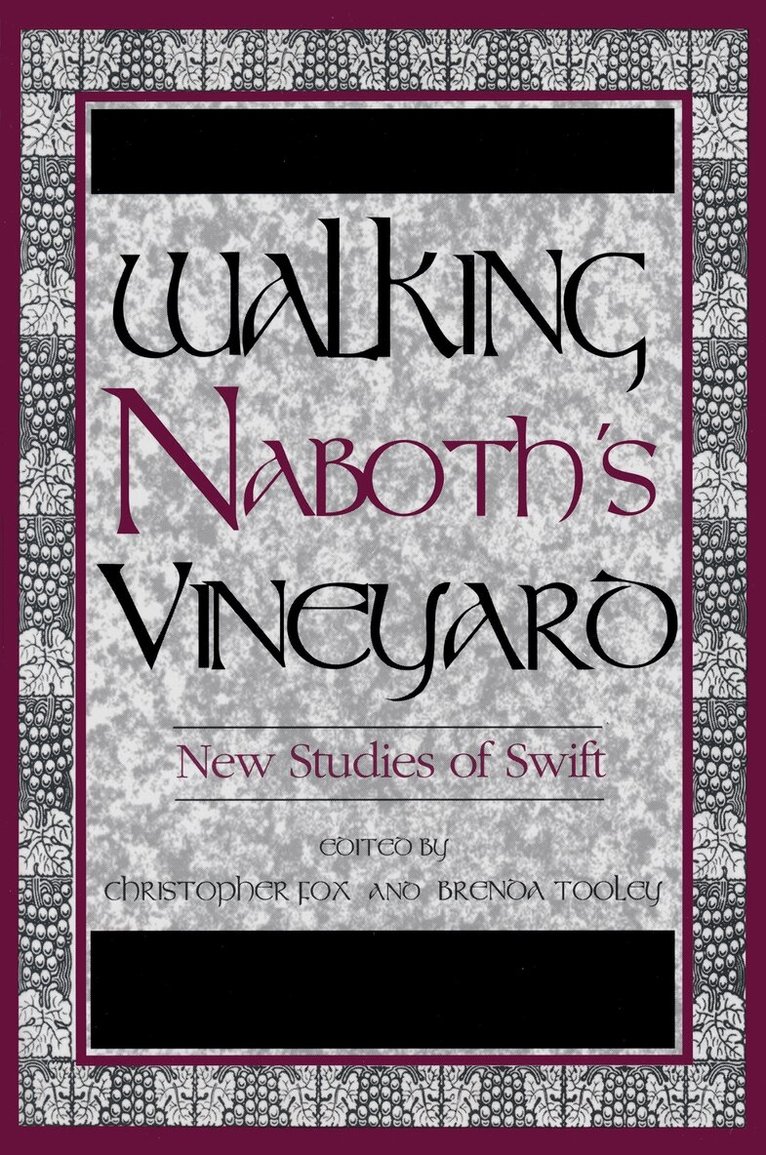
Walking Naboth's Vineyard brings together nine prominent scholars to present new and valuable perspectives on the work of Jonathan Swift. In recent years Swift has been increasingly reconsidered and recast as a distinctly Irish writer, and there is little doubt that his artistic career was shaped by Ireland's troubled political life. Literary critics and scholars, as well as scholars of Irish literature, will find this collection unique in that it explores Swift's life and writing in a distinctively Irish context and considers how Swift was influenced as a member of a population that was divided against itself, colonized by a neighboring kingdom, and politically and culturally marginalized. These essays demonstrate how, despite Swift's ambivalence about his Irish nationality, he found Ireland's worldly position a close parallel to his own complex position in the political and cultural worlds in which he lived.
Inbunden, Engelska, 2007
2 590 kr
Skickas inom 10-15 vardagar
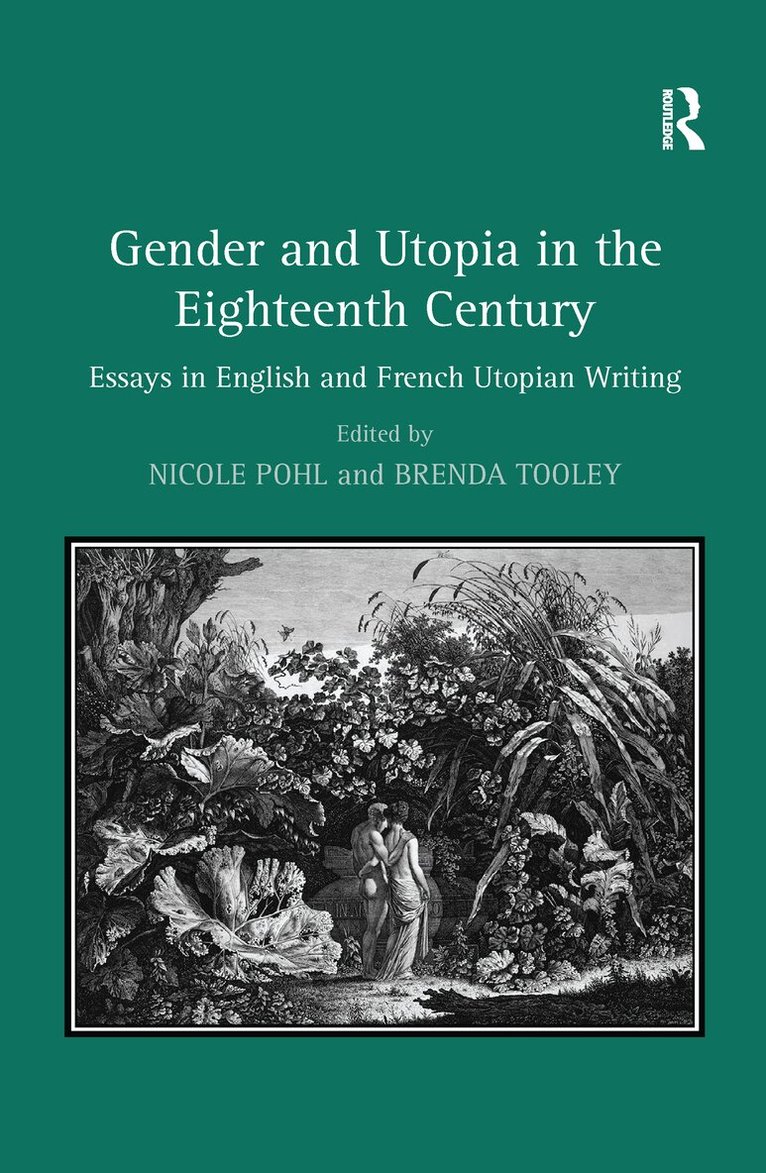
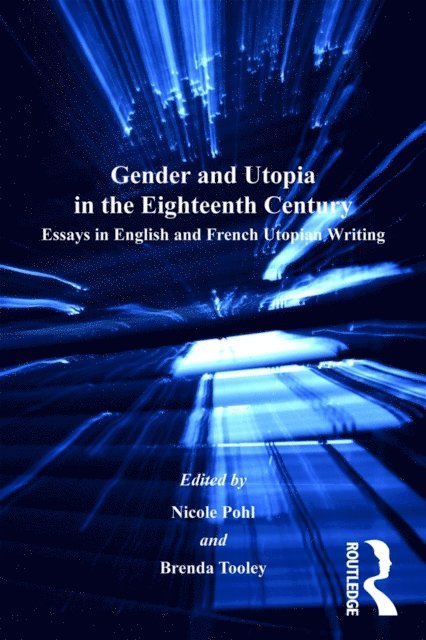
Focusing on eighteenth-century constructions of symbolic femininity and eighteenth-century women's writing in relation to contemporary utopian discourse, this volume adjusts our understanding of the utopia of the Enlightenment, placing a unique emphasis on colonial utopias. These essays reflect on issues related to specific configurations of utopias and utopianism by considering in detail English and French texts by both women (Sarah Scott, Sarah Fielding, Isabelle de Charrière) and men (Paltock and Montesquieu). The contributors ask the following questions: In the influential discourses of eighteenth-century utopian writing, is there a place for 'woman,' and if so, what (or where) is it? How do 'women' disrupt, confirm, or ground the utopian projects within which these constructs occur? By posing questions about the inscription of gender in the context of eighteenth-century utopian writing, the contributors shed new light on the eighteenth-century legacies that continue to shape contemporary views of social and political progress.
Häftad, Engelska, 2016
912 kr
Skickas inom 10-15 vardagar
Focusing on eighteenth-century constructions of symbolic femininity and eighteenth-century women's writing in relation to contemporary utopian discourse, this volume adjusts our understanding of the utopia of the Enlightenment, placing a unique emphasis on colonial utopias. These essays reflect on issues related to specific configurations of utopias and utopianism by considering in detail English and French texts by both women (Sarah Scott, Sarah Fielding, Isabelle de Charrière) and men (Paltock and Montesquieu). The contributors ask the following questions: In the influential discourses of eighteenth-century utopian writing, is there a place for 'woman,' and if so, what (or where) is it? How do 'women' disrupt, confirm, or ground the utopian projects within which these constructs occur? By posing questions about the inscription of gender in the context of eighteenth-century utopian writing, the contributors shed new light on the eighteenth-century legacies that continue to shape contemporary views of social and political progress.
E-bok
Engelska, 20161 045 kr
Läs direkt efter köp
Focusing on eighteenth-century constructions of symbolic femininity and eighteenth-century women''s writing in relation to contemporary utopian discourse, this volume adjusts our understanding of the utopia of the Enlightenment, placing a unique emphasis on colonial utopias. These essays reflect on issues related to specific configurations of utopias and utopianism by considering in detail English and French texts by both women (Sarah Scott, Sarah Fielding, Isabelle de Charrière) and men (Paltock and Montesquieu). The contributors ask the following questions: In the influential discourses of eighteenth-century utopian writing, is there a place for ''woman,'' and if so, what (or where) is it? How do ''women'' disrupt, confirm, or ground the utopian projects within which these constructs occur? By posing questions about the inscription of gender in the context of eighteenth-century utopian writing, the contributors shed new light on the eighteenth-century legacies that continue to shape contemporary views of social and political progress.
E-bok
PDF, Engelska, 20161 045 kr
Läs direkt efter köp
Focusing on eighteenth-century constructions of symbolic femininity and eighteenth-century women''s writing in relation to contemporary utopian discourse, this volume adjusts our understanding of the utopia of the Enlightenment, placing a unique emphasis on colonial utopias. These essays reflect on issues related to specific configurations of utopias and utopianism by considering in detail English and French texts by both women (Sarah Scott, Sarah Fielding, Isabelle de Charrière) and men (Paltock and Montesquieu). The contributors ask the following questions: In the influential discourses of eighteenth-century utopian writing, is there a place for ''woman,'' and if so, what (or where) is it? How do ''women'' disrupt, confirm, or ground the utopian projects within which these constructs occur? By posing questions about the inscription of gender in the context of eighteenth-century utopian writing, the contributors shed new light on the eighteenth-century legacies that continue to shape contemporary views of social and political progress.