Brent D. Oja – författare
Visar alla böcker från författaren Brent D. Oja. Handla med fri frakt och snabb leverans.
6 produkter
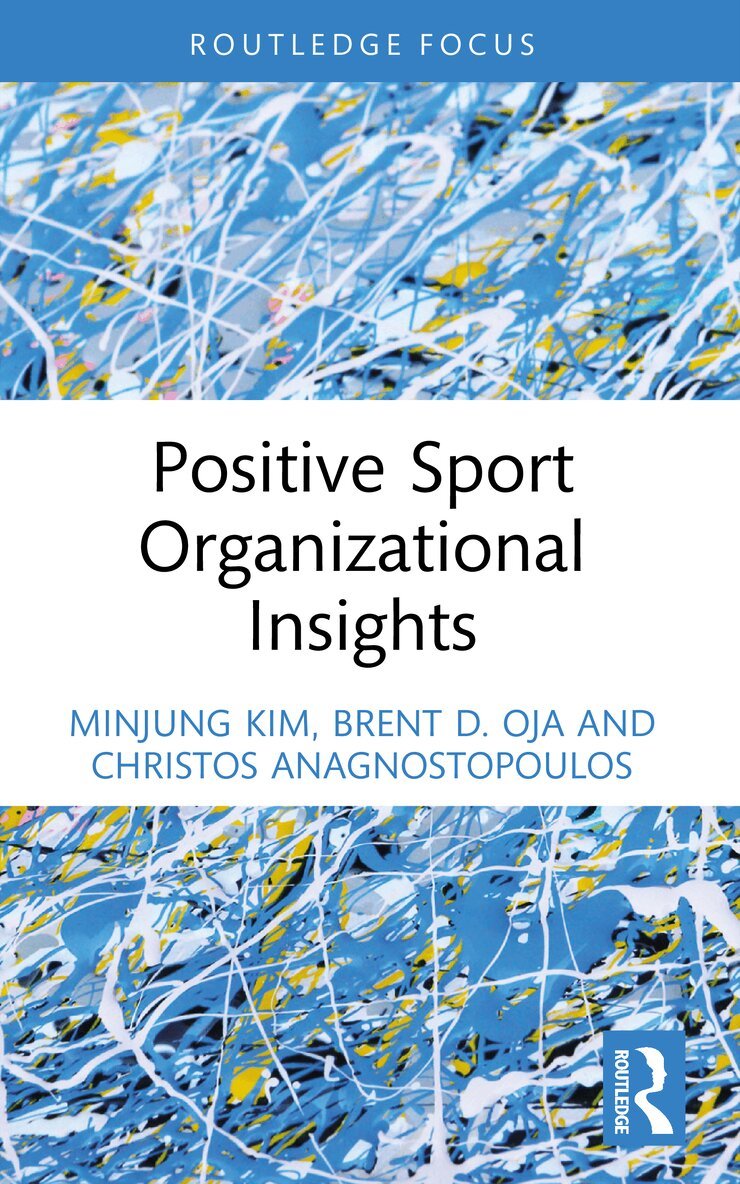
Positive Sport Organizational Insights
Av Minjung Kim, Brent D. Oja m. fl.
Inbunden, 2025
1029 kr
Lägg i varukorg
This book is a concise and accessible introduction to positive organizational behavior in sport, a new and dynamic approach to sport management. Clearly explaining core concepts, including the central concept of psychological capital, the book shows how ‘positive sport organizations’ (PSO) can …
Positive Sport Organizational Insights
Av Minjung Kim, Brent D. Oja m. fl.
Häftad, 2026
361 kr
Lägg i varukorg
This book is a concise and accessible introduction to positive organizational behavior in sport, a new and dynamic approach to sport management. Clearly explaining core concepts, including the central concept of psychological capital, the book shows how ‘positive sport organizations’ (PSO) can …
Positive Sport Organizational Insights
Av Christos Anagnostopoulos, Brent D. Oja m. fl.
E-bok, 2025
421 kr
Lägg i varukorg
This book is a concise and accessible introduction to positive organizational behavior in sport, a new and dynamic approach to sport management. Clearly explaining core concepts, including the central concept of psychological capital, the book shows how ‘positive sport organizations’ (PSO) can …
Positive Sport Organizational Insights
Av Christos Anagnostopoulos, Brent D. Oja m. fl.
E-bok, 2025
421 kr
Lägg i varukorg
This book is a concise and accessible introduction to positive organizational behavior in sport, a new and dynamic approach to sport management. Clearly explaining core concepts, including the central concept of psychological capital, the book shows how ‘positive sport organizations’ (PSO) can …
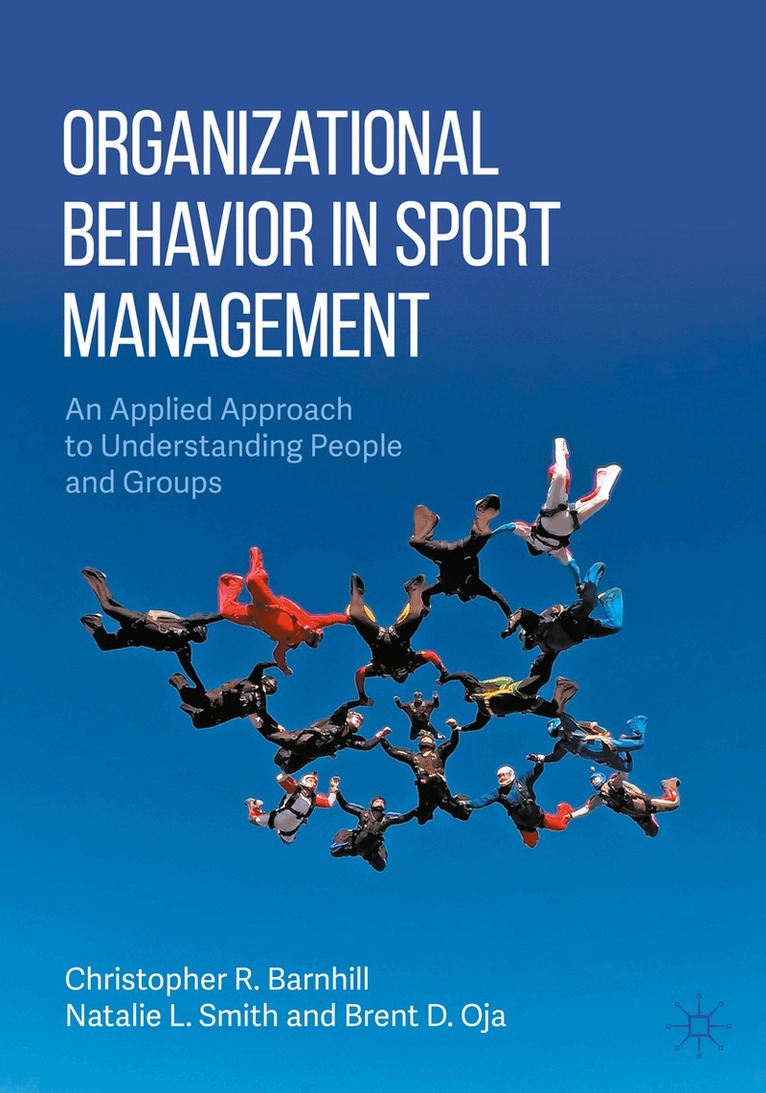
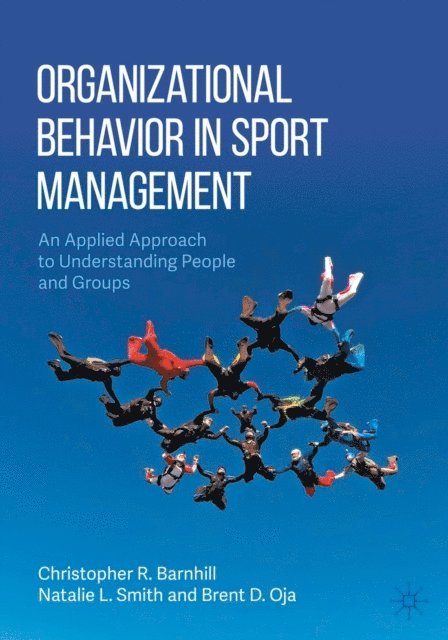
Organizational Behavior in Sport Management
An Applied Approach to Understanding People and Groups
Av Christopher R. Barnhill, Natalie L. Smith m. fl.
Häftad, 2021
1016 kr
Lägg i varukorg
This textbook presents a comprehensive analysis of organizational behavior in sport organizations from a practitioner's perspective. It covers issues related to managing employees and work teams as well as organizational structure and culture in sport. The book has four sections: Organizational …
Organizational Behavior in Sport Management
An Applied Approach to Understanding People and Groups
Av Brent D. Oja, Natalie L. Smith m. fl.
E-bok, 2021
1335 kr
Lägg i varukorg
This textbook presents a comprehensive analysis of organizational behavior in sport organizations from a practitioner''s perspective. It covers issues related to managing employees and work teams as well as organizational structure and culture in sport. The book has four sections: Organizational …