Brett Neilson – författare
Visar alla böcker från författaren Brett Neilson. Handla med fri frakt och snabb leverans.
20 produkter
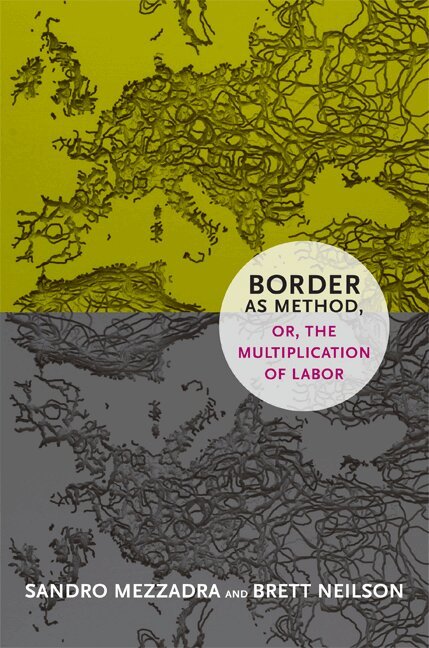
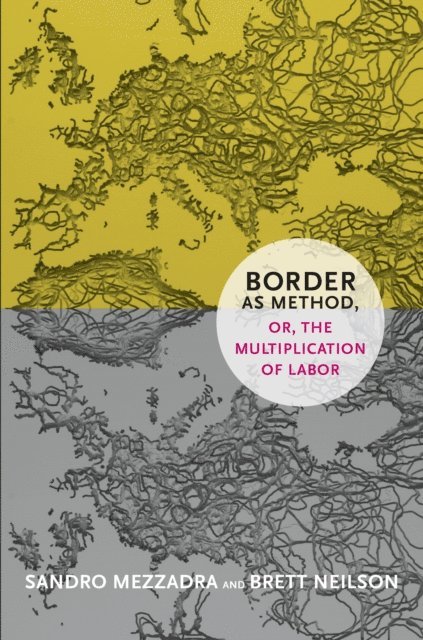
Border As Method, or, the Multiplication of Labor
Av Sandro Mezzadra, Brett Neilson
Häftad, 2013
325 kr
Lägg i varukorg
Far from creating a borderless world, contemporary globalization has generated a proliferation of borders. In Border as Method, Sandro Mezzadra and Brett Neilson chart this proliferation, investigating its implications for migratory movements, capitalist transformations, and political life. They …
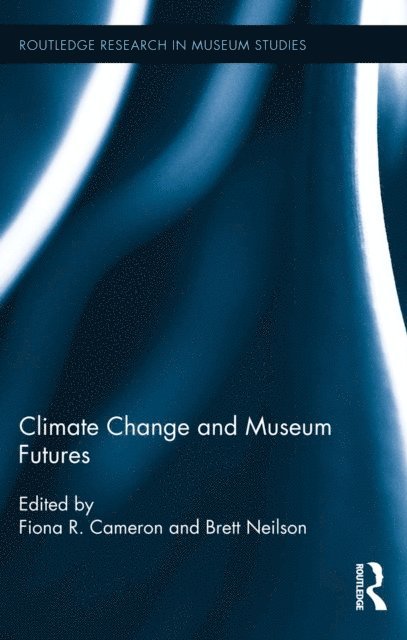
Climate Change and Museum Futures
Av Fiona Cameron, Brett Neilson
Inbunden, 2014
2504 kr
Lägg i varukorg
Climate change is a complex and dynamic environmental, cultural and political phenomenon that is reshaping our relationship to nature. Climate change is a global force, with global impacts. Viable solutions on what to do must involve dialogues and decision-making with many agencies, stakeholder …
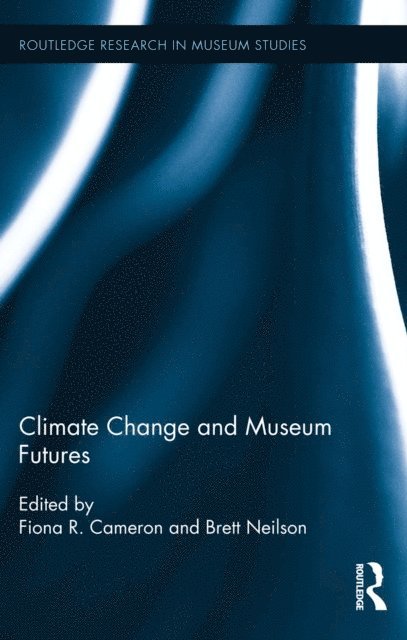
Climate Change and Museum Futures
Av Fiona Cameron, Brett Neilson
Häftad, 2017
631 kr
Lägg i varukorg
Climate change is a complex and dynamic environmental, cultural and political phenomenon that is reshaping our relationship to nature. Climate change is a global force, with global impacts. Viable solutions on what to do must involve dialogues and decision-making with many agencies, stakeholder …
Free Trade in the Bermuda Triangle
And Other Tales of Counterglobalization
Häftad, 2003
300 kr
Lägg i varukorg
Shangri-La, the Bermuda Triangle, Transylvania, the Golden Triangle—far-flung in popular conception, these anomalous places nonetheless occupy the same mysterious zone, a mythography of unruly cartographic practices. And because this mythography becomes associated with a particular area of the …
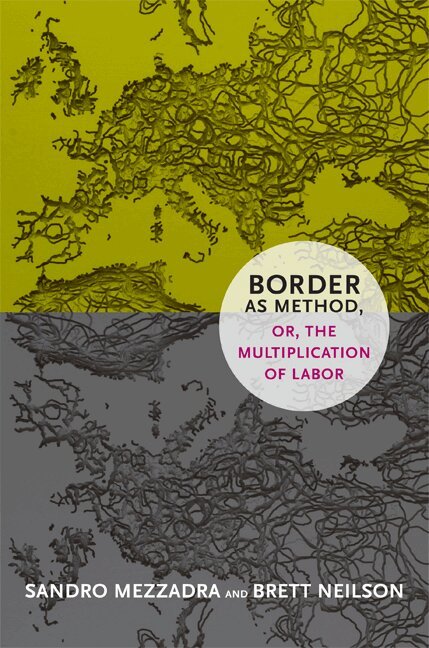
Border As Method, or, the Multiplication of Labor
Av Sandro Mezzadra, Brett Neilson
Inbunden, 2013
1402 kr
Lägg i varukorg
Far from creating a borderless world, contemporary globalization has generated a proliferation of borders. In Border as Method, Sandro Mezzadra and Brett Neilson chart this proliferation, investigating its implications for migratory movements, capitalist transformations, and political life. They …
Border as Method, or, the Multiplication of Labor
Av Brett Neilson, Sandro Mezzadra
E-bok, 2013
505 kr
Lägg i varukorg
Far from creating a borderless world, contemporary globalization has generated a proliferation of borders. In Border as Method , Sandro Mezzadra and Brett Neilson chart this proliferation, investigating its implications for migratory movements, capitalist transformations, and political life. They …
Decolonisation in the 21st Century
Rethinking Coloniality, Resistance and Solidarity
Av Joyce C.H. Liu, Brett Neilson
Inbunden, 2026
2504 kr
Lägg i varukorg
Amidst rising global inequality, intensifying geopolitical frictions, and the renewed force of colonial logics, this volume offers a critical interrogation of coloniality, decolonial practices, global capitalism, and the technologies of governance that entrench social and environmental …
Decolonisation in the 21st Century
Rethinking Coloniality, Resistance and Solidarity
Av Brett Neilson, Joyce C.H. Liu
E-bok, 2026
831 kr
Lägg i varukorg
Amidst rising global inequality, intensifying geopolitical frictions, and the renewed force of colonial logics, this volume offers a critical interrogation of coloniality, decolonial practices, global capitalism, and the technologies of governance that entrench social and environmental …
Decolonisation in the 21st Century
Rethinking Coloniality, Resistance and Solidarity
Av Brett Neilson, Joyce C.H. Liu
E-bok, 2026
813 kr
Lägg i varukorg
Amidst rising global inequality, intensifying geopolitical frictions, and the renewed force of colonial logics, this volume offers a critical interrogation of coloniality, decolonial practices, global capitalism, and the technologies of governance that entrench social and environmental …
Climate Change and Museum Futures
Av Brett Neilson, Fiona Cameron
E-bok, 2014
745 kr
Lägg i varukorg
Climate change is a complex and dynamic environmental, cultural and political phenomenon that is reshaping our relationship to nature. Climate change is a global force, with global impacts. Viable solutions on what to do must involve dialogues and decision-making with many agencies, stakeholder …
Climate Change and Museum Futures
Av Brett Neilson, Fiona Cameron
E-bok, 2014
729 kr
Lägg i varukorg
Climate change is a complex and dynamic environmental, cultural and political phenomenon that is reshaping our relationship to nature. Climate change is a global force, with global impacts. Viable solutions on what to do must involve dialogues and decision-making with many agencies, stakeholder …
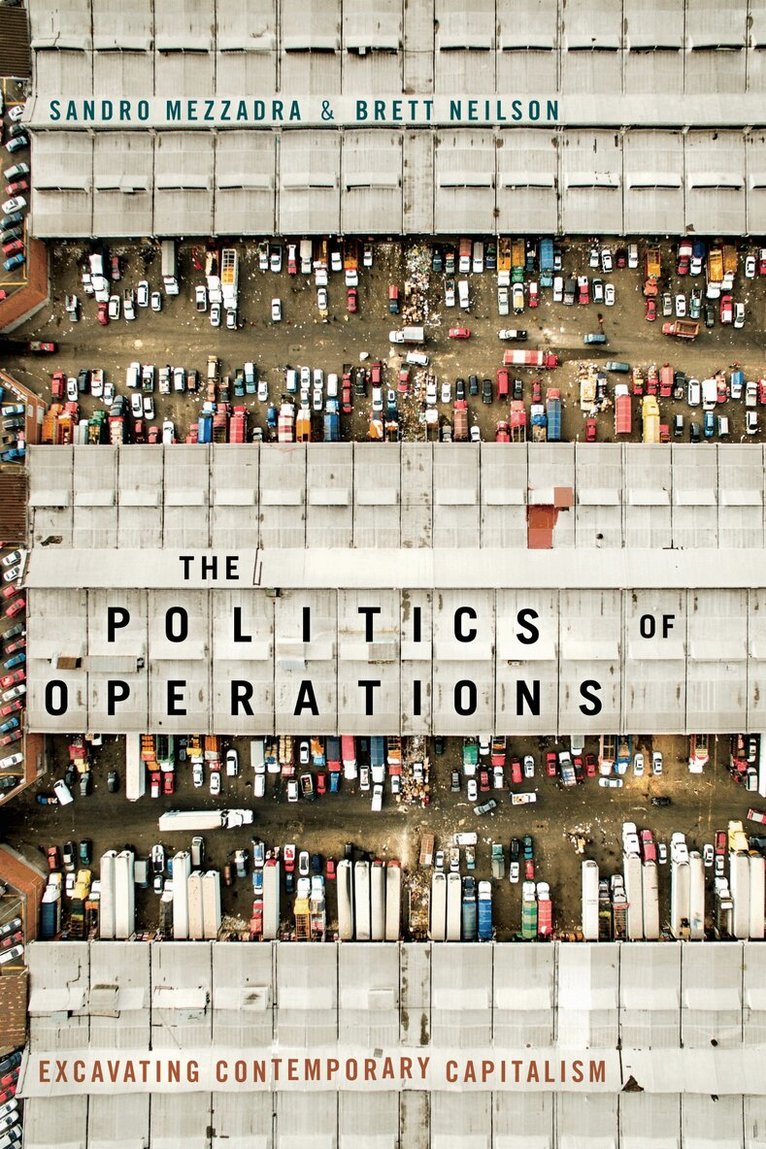
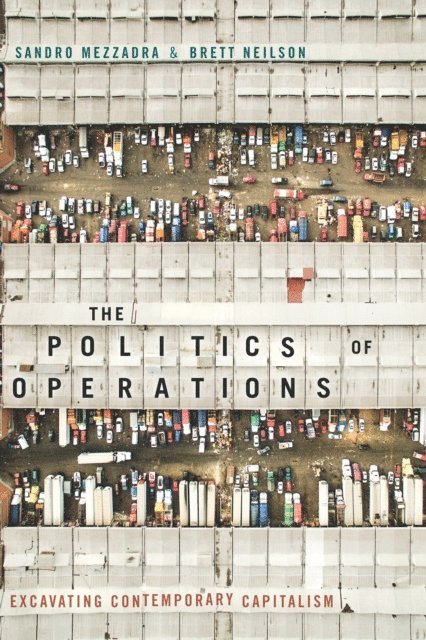
Politics of Operations
Excavating Contemporary Capitalism
Av Sandro Mezzadra, Brett Neilson
Inbunden, 2019
1207 kr
Lägg i varukorg
In The Politics of Operations Sandro Mezzadra and Brett Neilson investigate how capital reshapes its relation with politics through operations that enable the extraction and exploitation of mineral resources, labor, data, and cultures. They show how capital-which they theorize as a direct political …
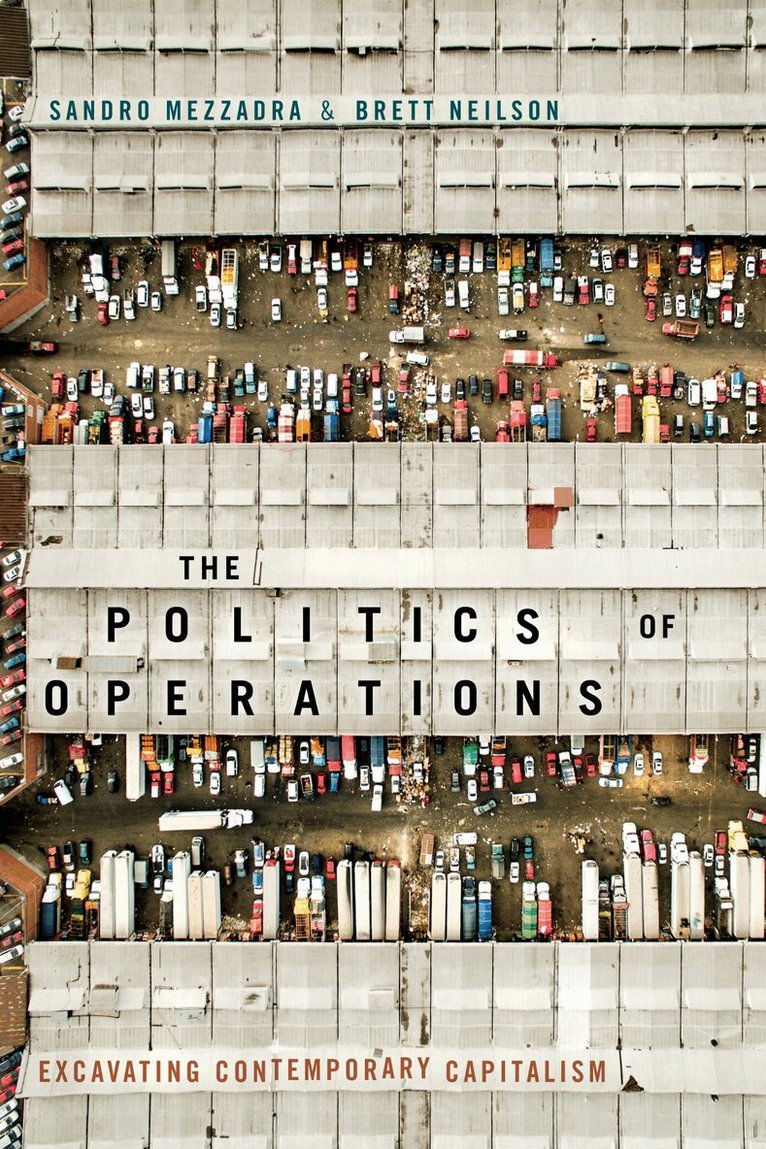
Politics of Operations
Excavating Contemporary Capitalism
Av Sandro Mezzadra, Brett Neilson
Häftad, 2019
312 kr
Lägg i varukorg
In The Politics of Operations Sandro Mezzadra and Brett Neilson investigate how capital reshapes its relation with politics through operations that enable the extraction and exploitation of mineral resources, labor, data, and cultures. They show how capital-which they theorize as a direct political …
Politics of Operations
Excavating Contemporary Capitalism
Av Brett Neilson, Sandro Mezzadra
E-bok, 2019
472 kr
Lägg i varukorg
In The Politics of Operations Sandro Mezzadra and Brett Neilson investigate how capital reshapes its relation with politics through operations that enable the extraction and exploitation of mineral resources, labor, data, and cultures. They show how capital—which they theorize as a direct political …
Rest and the West
Capital and Power in a Multipolar World
Av Sandro Mezzadra, Brett Neilson
Häftad, 2024
236 kr
Lägg i varukorg
In the wake of a pandemic that tested economies and societies, geopolitical conflict has taken on a new intensity. The Rest and the West locates the origins of this development in the turbulent dynamics of the capitalist world market. Rather than reducing global conflict to a matter of great power …
Rest and the West
Capital and Power in a Multipolar World
Av Sandro Mezzadra, Brett Neilson
E-bok, 2024
170 kr
Lägg i varukorg
In the wake of a pandemic that tested economies and societies, geopolitical conflict has taken on a new intensity. The Rest and the West locates the origins of this development in the turbulent dynamics of the capitalist world market. Rather than reducing global conflict to a matter of great power …
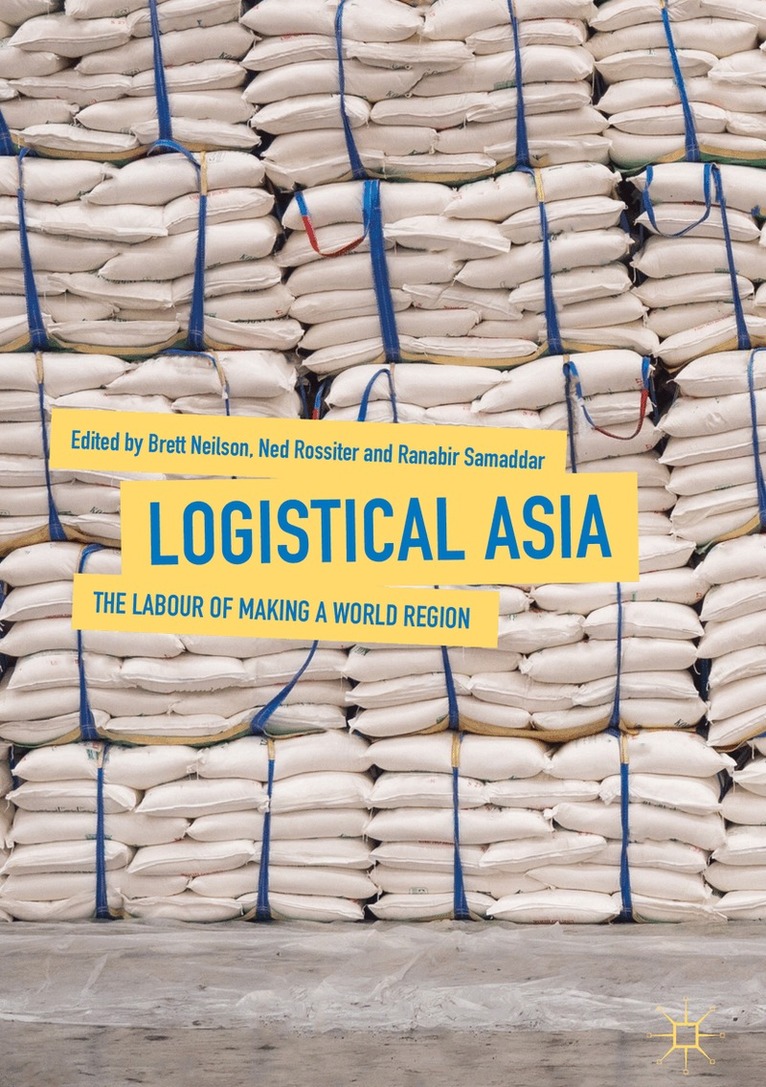
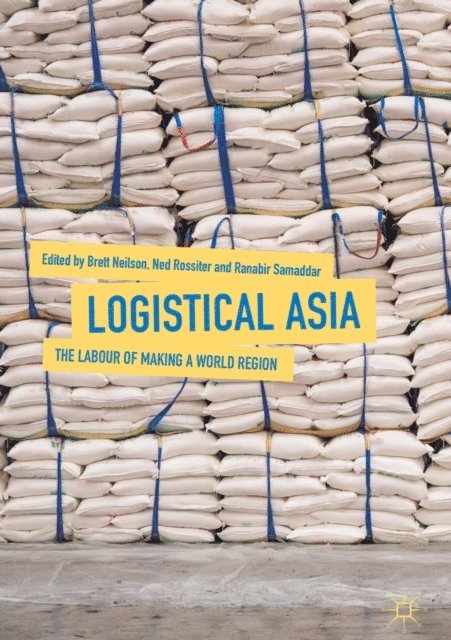
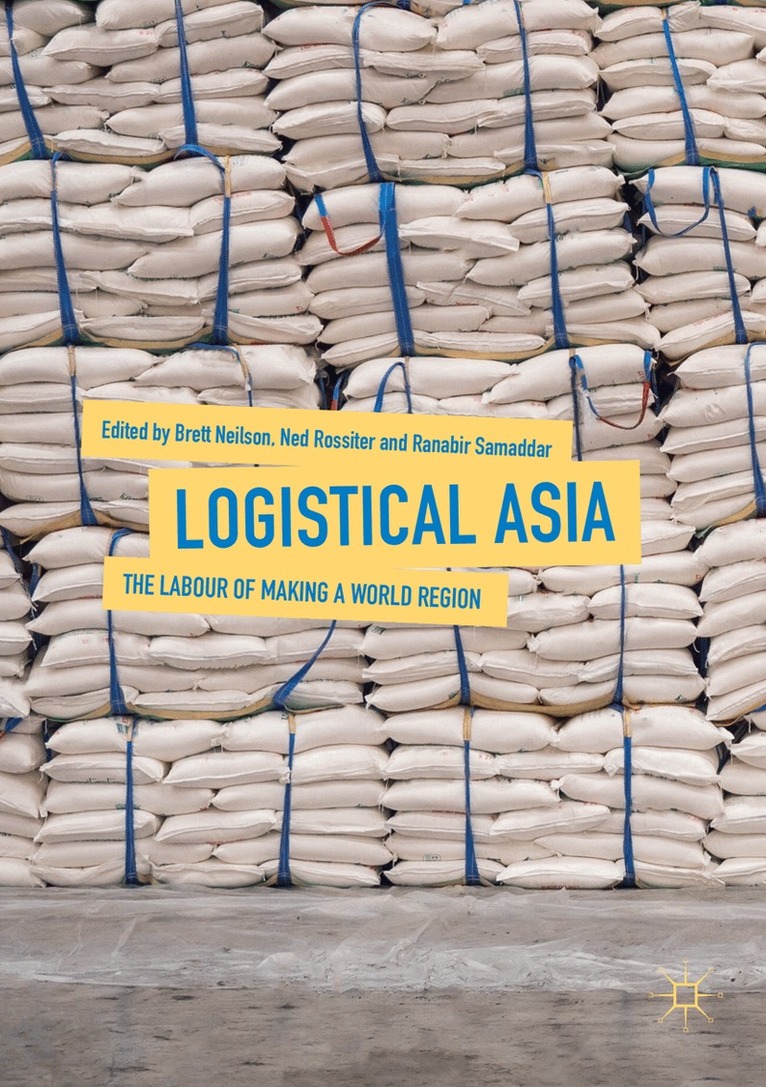
Logistical Asia
The Labour of Making a World Region
Av Brett Neilson, Ned Rossiter m. fl.
Inbunden, 2018
1857 kr
Lägg i varukorg
This book explores how the management science of logistics changes working lives and contributes to the making of world regions. With a focus on the port of Kolkata and changing patterns of Asian regionalism, the volume examines how logistics entwine with political power, historical forces, labour …
Logistical Asia
The Labour of Making a World Region
Av Ranabir Samaddar, Ned Rossiter m. fl.
E-bok, 2018
1785 kr
Lägg i varukorg
This book explores how the management science of logistics changes working lives and contributes to the making of world regions. With a focus on the port of Kolkata and changing patterns of Asian regionalism, the volume examines how logistics entwine with political power, historical forces, labour …
Logistical Asia
The Labour of Making a World Region
Av Brett Neilson, Ned Rossiter m. fl.
Häftad, 2019
1313 kr
Lägg i varukorg
This book explores how the management science of logistics changes working lives and contributes to the making of world regions. With a focus on the port of Kolkata and changing patterns of Asian regionalism, the volume examines how logistics entwine with political power, historical forces, labour …