Brian Byrd – författare
Visar alla böcker från författaren Brian Byrd. Handla med fri frakt och snabb leverans.
5 produkter
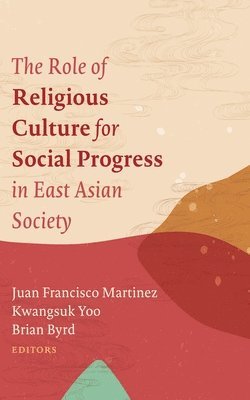
Role of Religious Culture for Social Progress in East Asian Society
Av Juan Francisco Martinez, Kwangsuk Yoo m. fl.
Inbunden, 2023
397 kr
Lägg i varukorg
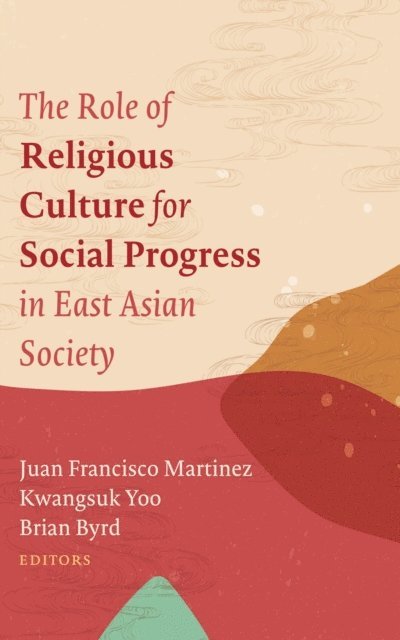
Role of Religious Culture for Social Progress in East Asian Society
Av Brian Byrd, Kwangsuk Yoo m. fl.
E-bok, 2023
458 kr
Lägg i varukorg
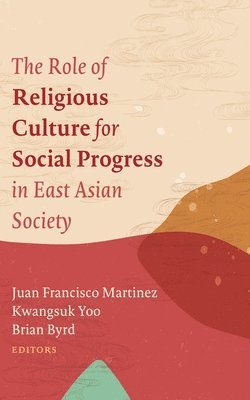
Religious culture is an important keyword for understanding rapidly changing East Asian society, especially China, Japan, and Korea. Despite the common influence of Confucian culture on these countries, each has shown a very different pattern of social progress in modern and postmodern times. …
Role of Religious Culture for Social Progress in East Asian Society
Av Juan Francisco Martinez, Kwangsuk Yoo m. fl.
Häftad, 2023
263 kr
Lägg i varukorg
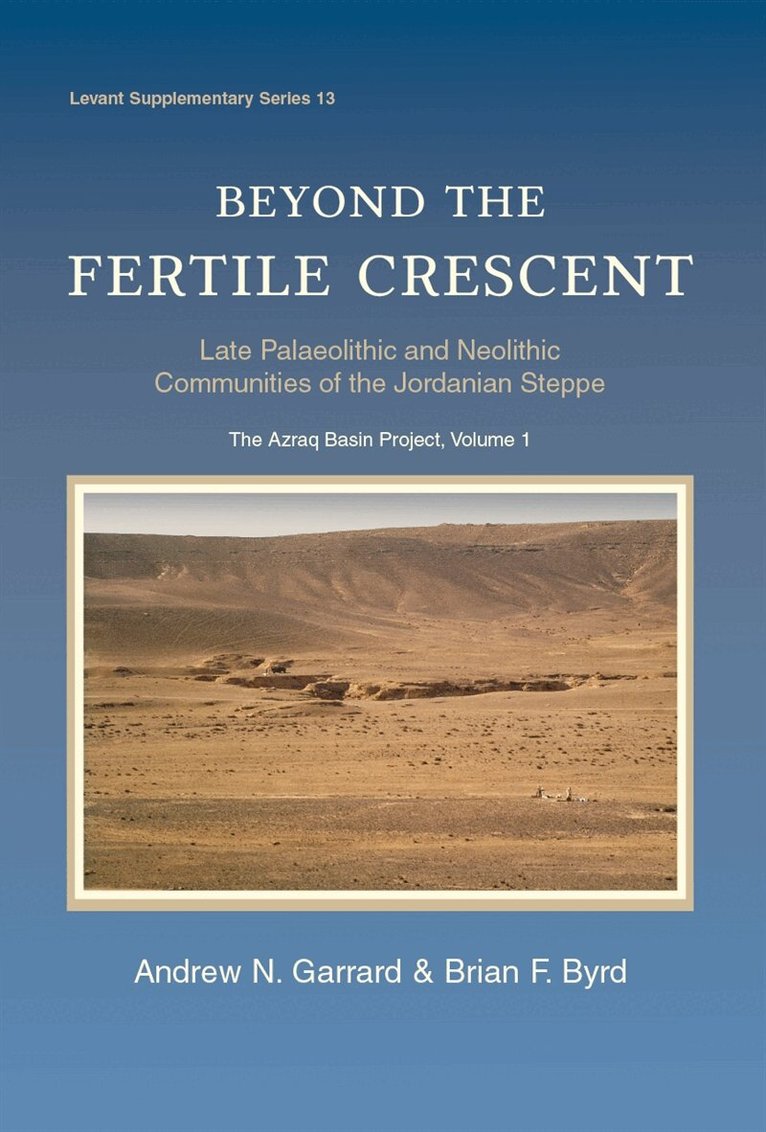
Beyond the Fertile Crescent
Volume 1: Project Background and the Late Palaeolithic (Geological Context and Technology)
E-bok, 2021
127 kr
Lägg i varukorg
The natural arc of resource-rich land which forms the ‘Fertile Crescent’ of South-West Asia is regarded as the earliest centre of village-based farming in the world and has been the focus of much of our understanding of the transition from Epipalaeolithic hunter-gathers to Neolithic farmers. Beyond …
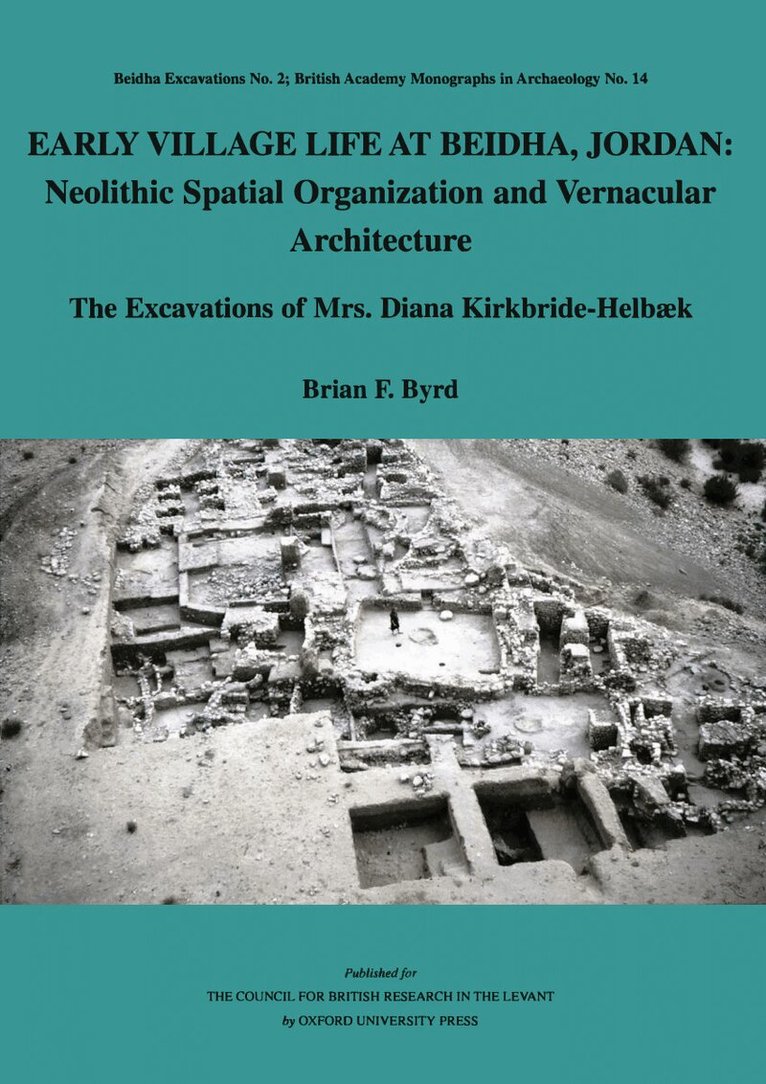
Early Village Life at Beidha, Jordan
Neolithic Spatial Organization and Vernacular Architecture
Av Brian Byrd
Inbunden, 2012
448 kr
Tillfälligt slut
This case study rigorously investigates village spatial organization and vernacular architecture of the Early Neolithic village of Beidha in southern Jordan. Around 10,000 years ago, humans began to establish farming villages in a variety of settings across Southwest Asia. Yet the changes in …