Brian D. Fath – författare
1 741 kr
Läs direkt efter köp
46 186 kr
Läs direkt efter köp
979 kr
Skickas inom 10-15 vardagar
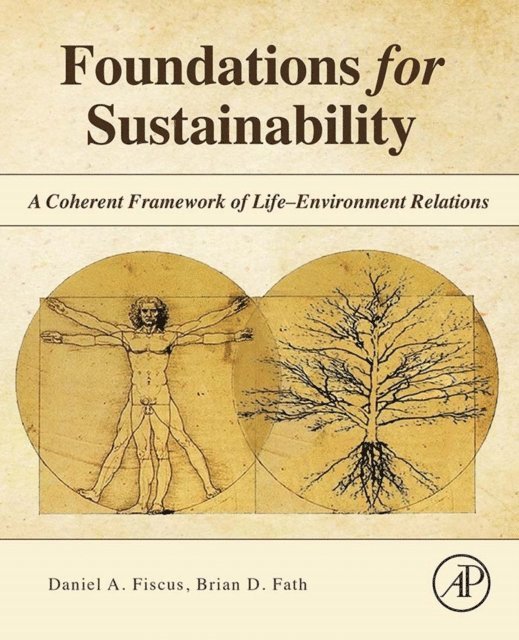
Foundations for Sustainability: A Coherent Framework of Life-Environment Relations challenges existing assumptions on environmental issues and lays the groundwork for a new paradigm, bringing a greater understanding of what is needed to help create an environmentally and economically sustainable future, which to date has been an uphill battle and not an obvious choice. The book presents the case for a paradigm based on a multi-model of life as organism, life as ecosystem, and life as biosphere, as opposed to the singular assumption that life can be viewed solely as an organism.
All backed with well-cited research from top investigators from around the world, this book is a must-have resource for anyone working in ecology, environmental science or sustainability.
Introduces a holistic, systemic approach and a synthesis of the systemic root cause that underlies many surface symptoms that are part of individual environmental problems (climate, water, energy, etc.) Complements current piecemeal approaches in order to solve many interconnected environmental problems which share root causes Provides tests and thought experiments to challenge current views on sustainability, leveraging the power of critical thinking to find new solutions Gives insights on how to find solutions by blending interdisciplinary and transdisciplinary focuses with disciplinary specialization in ecology and ecosystem science Bridges concepts and methods from math to ecology to human development1 352 kr
Läs direkt efter köp
1 037 kr
Skickas inom 10-15 vardagar
910 kr
Skickas inom 10-15 vardagar
839 kr
Skickas inom 10-15 vardagar
740 kr
Skickas inom 10-15 vardagar
740 kr
Skickas inom 10-15 vardagar
769 kr
Skickas inom 10-15 vardagar
5 696 kr
Skickas inom 10-15 vardagar
26 269 kr
Kommande
1 652 kr
Skickas inom 10-15 vardagar
1 253 kr
Skickas inom 10-15 vardagar
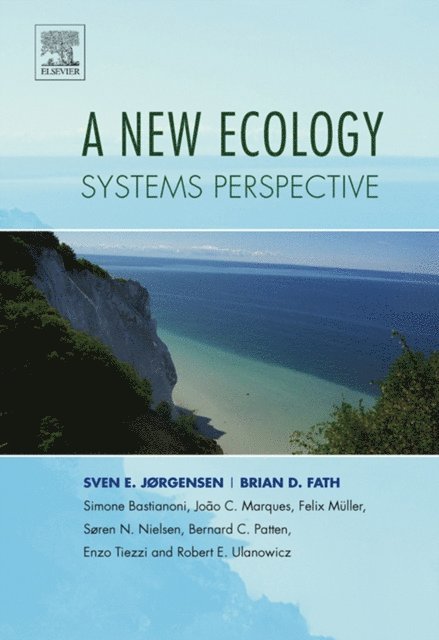
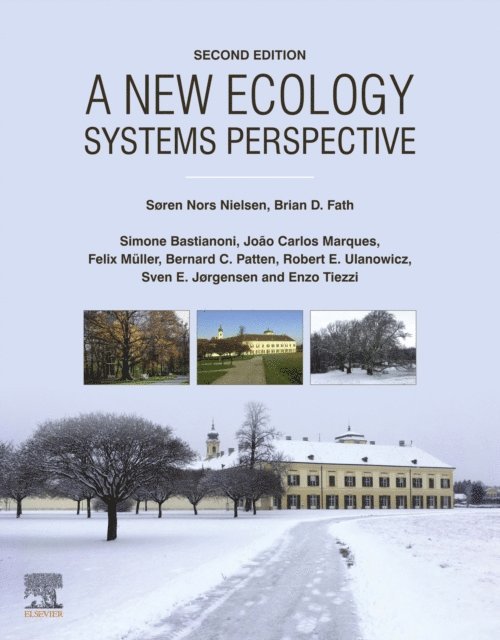
A New Ecology: Systems Perspective, Second Edition, gives an overview of the commonalities of all ecosystems from a variety of properties, including physical openness, ontic openness, directionality, connectivity, a complex dynamic for growth and development, and a complex dynamic response to disturbances. Each chapter details basic and characteristic properties that help the reader understand how they can be applied to explain a wide spectrum of current ecological research and environmental management applications.
Contains revised, updated or redeveloped chapters that include the most current research and technology Reviews universal traits of ecosystems from multiple perspectives, giving the reader a complete overview of the systems perspective of ecology Offers broad examples of ecology as a systems science, from the history of science, to philosophy and the arts Brings together the systems perspective in a framework of four columns for greater understanding, including thermodynamics, network theory, hierarchy theory and biochemistry Contains new chapter on the application of the theory to environmental management1 780 kr
Läs direkt efter köp
24 924 kr
Skickas inom 5-8 vardagar
31 669 kr
Läs direkt efter köp
789 kr
Läs direkt efter köp
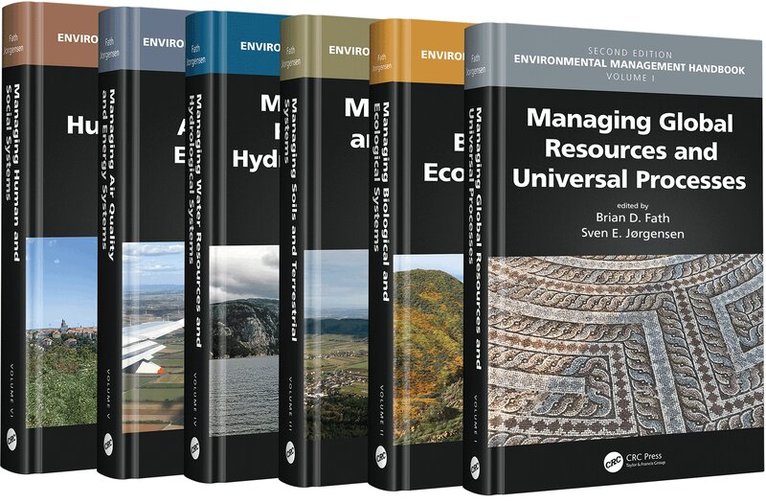
Bringing together a wealth of knowledge, Environmental Management Handbook, Second Edition, gives a comprehensive overview of environmental problems, their sources, their assessment, and their solutions. Through in-depth entries and a topical table of contents, readers will quickly find answers to questions about environmental problems and their corresponding management issues. This six-volume set is a reimagining of the award-winning Encyclopedia of Environmental Management, published in 2013, and features insights from more than 400 contributors, all experts in their field.
The experience, evidence, methods, and models used in studying environmental management are presented here in six stand-alone volumes, arranged along the major environmental systems.
Features
The first handbook that demonstrates the key processes and provisions for enhancing environmental management
Addresses new and cutting-edge topics on ecosystem services, resilience, sustainability, food–energy–water nexus, socio-ecological systems, and more
Provides an excellent basic knowledge on environmental systems, explains how these systems function, and offers strategies on how to best manage them
Includes the most important problems and solutions facing environmental management today
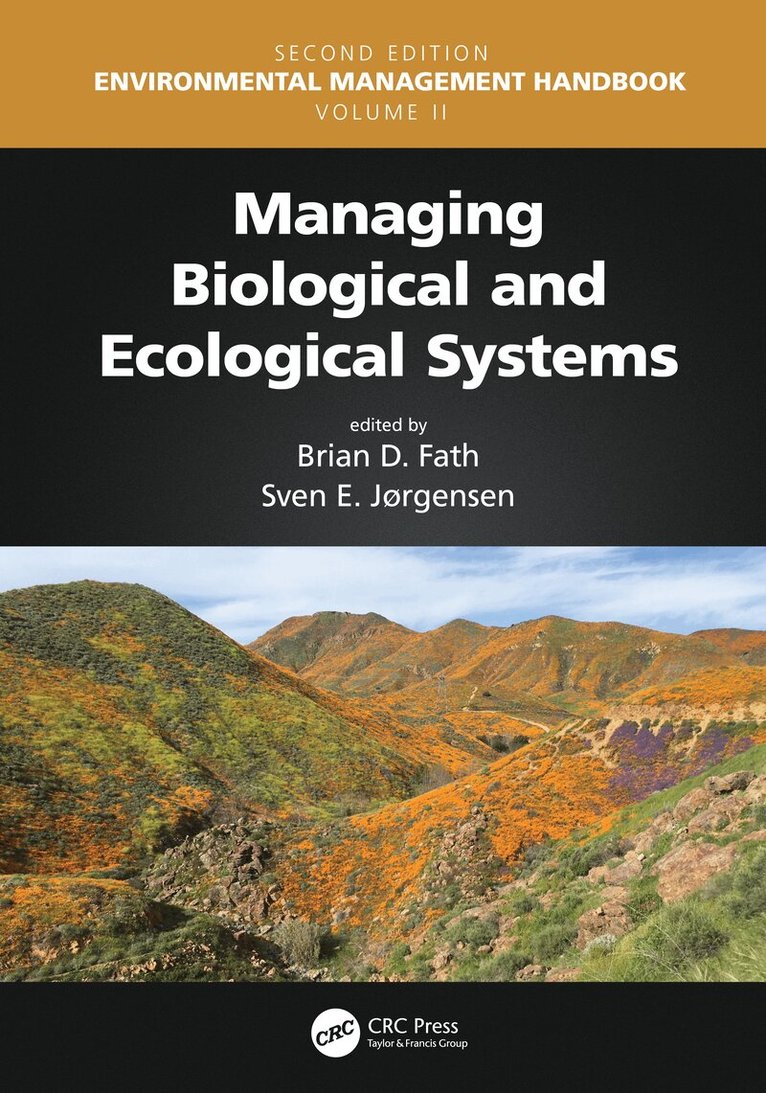
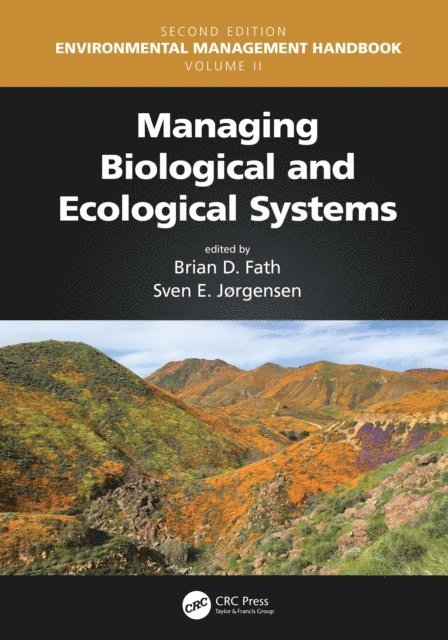
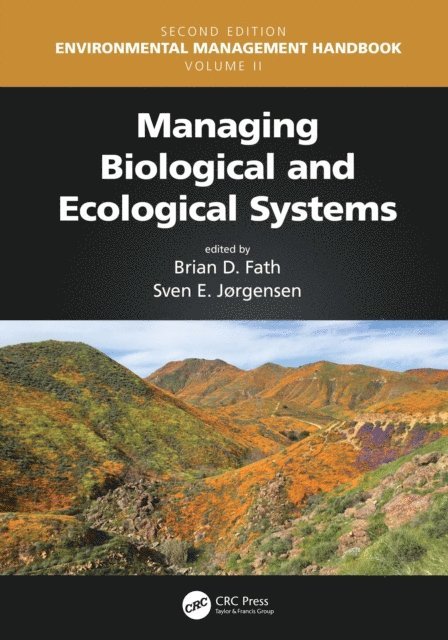
In this second volume, Managing Biological and Ecological Systems, the reader is introduced to the general concepts and processes of the biosphere and all its systems. This volume explains how these systems function and provides strategies on how to best manage them. It serves as an excellent resource for finding basic knowledge on the biosphere and ecological systems and includes important problems and solutions that environmental managers face today. This book practically demonstrates the key processes, methods, and models used in studying environmental management.
789 kr
Läs direkt efter köp
Bringing together a wealth of knowledge, Environmental Management Handbook, Second Edition, gives a comprehensive overview of environmental problems, their sources, their assessment, and their solutions. Through in-depth entries and a topical table of contents, readers will quickly find answers to questions about environmental problems and their corresponding management issues. This six-volume set is a reimagining of the award-winning Encyclopedia of Environmental Management, published in 2013, and features insights from more than 400 contributors, all experts in their field.
The experience, evidence, methods, and models used in studying environmental management are presented here in six stand-alone volumes, arranged along the major environmental systems.
Features
The first handbook that demonstrates the key processes and provisions for enhancing environmental management
Addresses new and cutting-edge topics on ecosystem services, resilience, sustainability, food–energy–water nexus, socio-ecological systems, and more
Provides an excellent basic knowledge on environmental systems, explains how these systems function, and offers strategies on how to best manage them
Includes the most important problems and solutions facing environmental management today
In this second volume, Managing Biological and Ecological Systems, the reader is introduced to the general concepts and processes of the biosphere and all its systems. This volume explains how these systems function and provides strategies on how to best manage them. It serves as an excellent resource for finding basic knowledge on the biosphere and ecological systems and includes important problems and solutions that environmental managers face today. This book practically demonstrates the key processes, methods, and models used in studying environmental management.
805 kr
Läs direkt efter köp
Bringing together a wealth of knowledge, Environmental Management Handbook, Second Edition, gives a comprehensive overview of environmental problems, their sources, their assessment, and their solutions. Through in-depth entries and a topical table of contents, readers will quickly find answers to questions about environmental problems and their corresponding management issues. This six-volume set is a reimagining of the award-winning Encyclopedia of Environmental Management, published in 2013, and features insights from more than 500 contributors, all experts in their field.
The experience, evidence, methods, and models used in studying environmental management are presented here in six stand-alone volumes, arranged along the major environmental systems.
Features
The first handbook that demonstrates the key processes and provisions for enhancing environmental management
Addresses new and cutting-edge topics on ecosystem services, resilience, sustainability, food–energy–water nexus, socio-ecological systems, and more
Provides an excellent basic knowledge on environmental systems, explains how these systems function, and offers strategies on how to best manage them
Includes the most important problems and solutions facing environmental management today
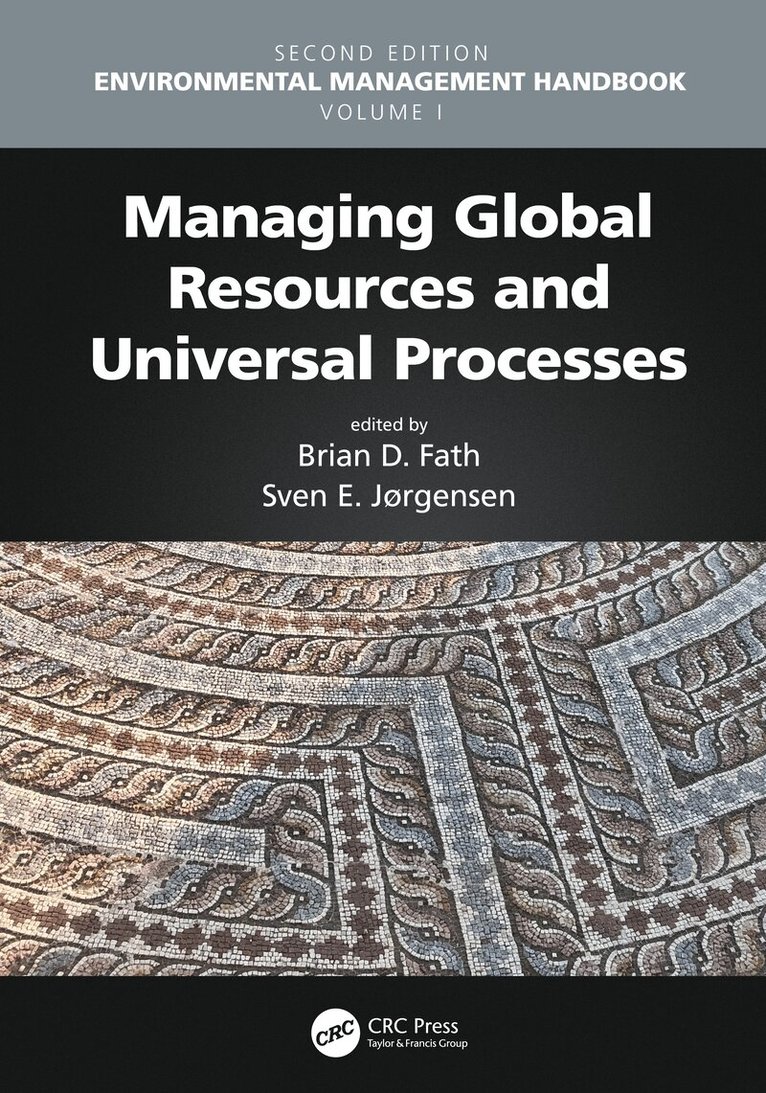
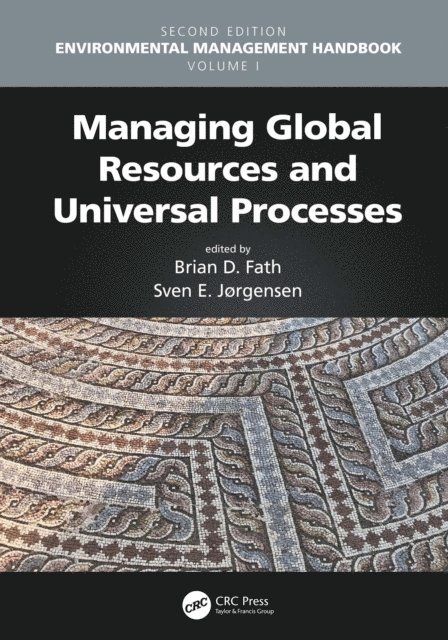
In this first volume, Managing Global Resources and Universal Processes, the reader is introduced to the general concepts and processes used in environmental management. As an excellent resource for finding basic knowledge on environmental systems, it reflects an extensive coverage of the field and includes the most important problems and solutions facing environmental management today. This book practically demonstrates the key processes, methods, and models used in studying environmental management.
805 kr
Läs direkt efter köp
Bringing together a wealth of knowledge, Environmental Management Handbook, Second Edition, gives a comprehensive overview of environmental problems, their sources, their assessment, and their solutions. Through in-depth entries and a topical table of contents, readers will quickly find answers to questions about environmental problems and their corresponding management issues. This six-volume set is a reimagining of the award-winning Encyclopedia of Environmental Management, published in 2013, and features insights from more than 500 contributors, all experts in their field.
The experience, evidence, methods, and models used in studying environmental management are presented here in six stand-alone volumes, arranged along the major environmental systems.
Features
The first handbook that demonstrates the key processes and provisions for enhancing environmental management
Addresses new and cutting-edge topics on ecosystem services, resilience, sustainability, food–energy–water nexus, socio-ecological systems, and more
Provides an excellent basic knowledge on environmental systems, explains how these systems function, and offers strategies on how to best manage them
Includes the most important problems and solutions facing environmental management today
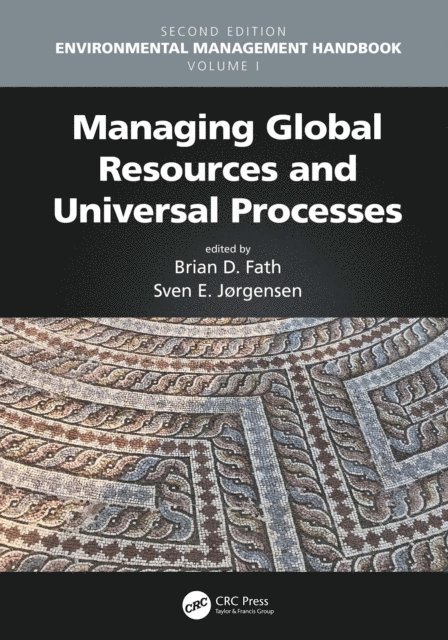
In this first volume, Managing Global Resources and Universal Processes, the reader is introduced to the general concepts and processes used in environmental management. As an excellent resource for finding basic knowledge on environmental systems, it reflects an extensive coverage of the field and includes the most important problems and solutions facing environmental management today. This book practically demonstrates the key processes, methods, and models used in studying environmental management.
1 083 kr
Läs direkt efter köp
Bringing together a wealth of knowledge, the Handbook of Environmental Management, Second Edition, gives a comprehensive overview of environmental problems, their sources, their assessment, and their solutions. Through in-depth entries, and a topical table of contents, readers will quickly find answers to questions about pollution and management issues. This six-volume set is a reimagining of the award-winning Encyclopedia of Environmental Management, published in 2013, and features insights from more than 500 contributors, all experts in their fields.
The experience, evidence, methods, and models used in studying environmental management is presented here in six stand-alone volumes, arranged along the major environmental systems.
Features of the new edition:
The first handbook that demonstrates the key processes and provisions for enhancing environmental management.
Addresses new and cutting -edge topics on ecosystem services, resilience, sustainability, food-energy-water nexus, socio-ecological systems and more.
Provides an excellent basic knowledge on environmental systems, explains how these systems function and offers strategies on how to best manage them.
Includes the most important problems and solutions facing environmental management today.
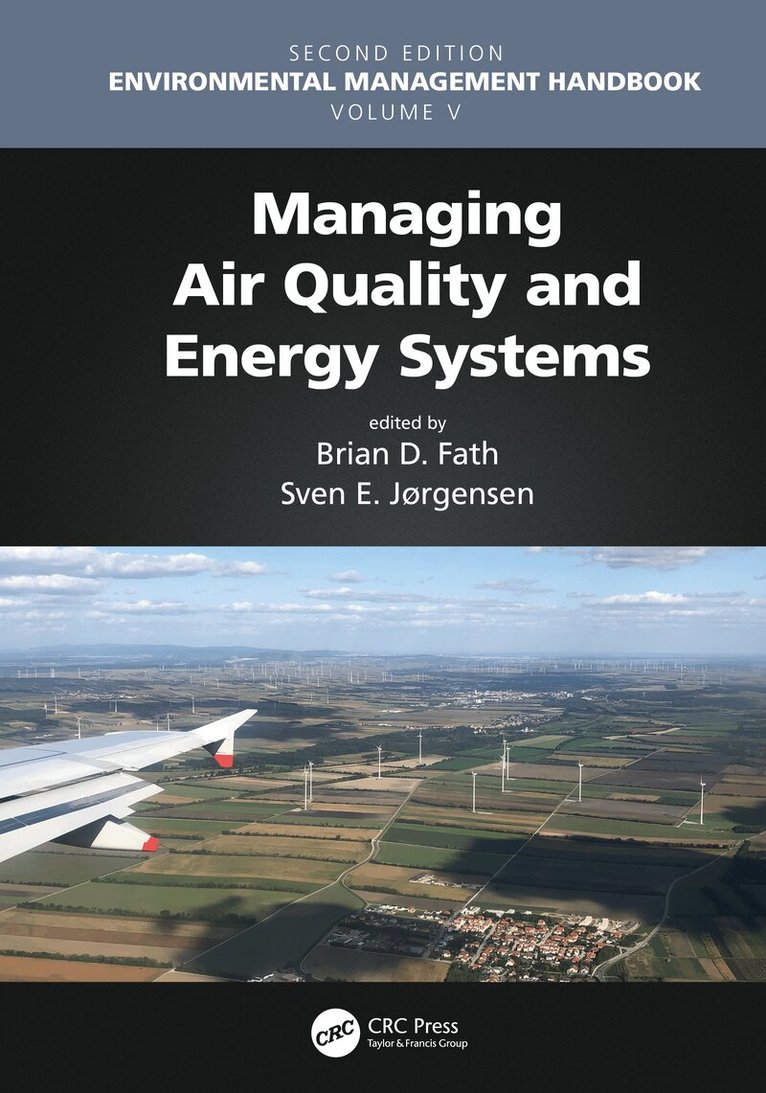
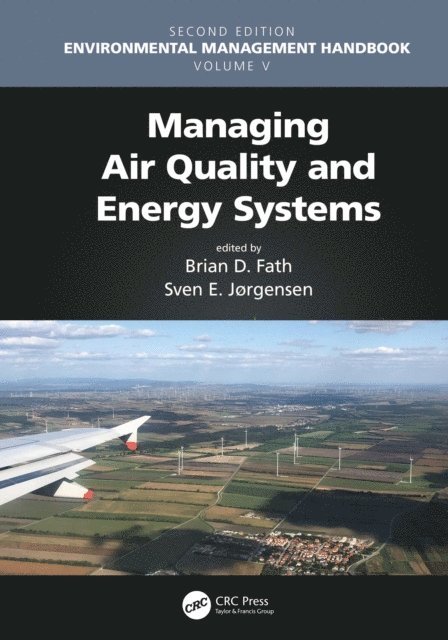
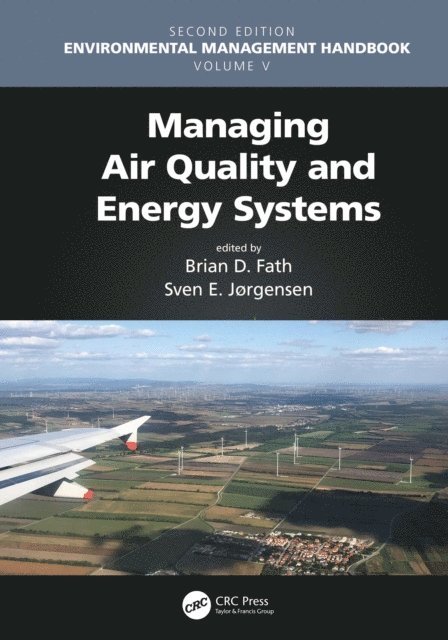
In this second volume, Managing Air Quality and Energy Systems, the reader is introduced to the general concepts and processes of the atmosphere, with its related systems. This volume explains how these systems function and provides strategies on how to best manage them. It serves as an excellent resource for finding basic knowledge on the atmosphere, and includes important problems and solutions that environmental managers face today. This book practically demonstrates the key processes, methods, and models used in studying environmental management.
1 083 kr
Läs direkt efter köp
Bringing together a wealth of knowledge, the Handbook of Environmental Management, Second Edition, gives a comprehensive overview of environmental problems, their sources, their assessment, and their solutions. Through in-depth entries, and a topical table of contents, readers will quickly find answers to questions about pollution and management issues. This six-volume set is a reimagining of the award-winning Encyclopedia of Environmental Management, published in 2013, and features insights from more than 500 contributors, all experts in their fields.
The experience, evidence, methods, and models used in studying environmental management is presented here in six stand-alone volumes, arranged along the major environmental systems.
Features of the new edition:
The first handbook that demonstrates the key processes and provisions for enhancing environmental management.
Addresses new and cutting -edge topics on ecosystem services, resilience, sustainability, food-energy-water nexus, socio-ecological systems and more.
Provides an excellent basic knowledge on environmental systems, explains how these systems function and offers strategies on how to best manage them.
Includes the most important problems and solutions facing environmental management today.
In this second volume, Managing Air Quality and Energy Systems, the reader is introduced to the general concepts and processes of the atmosphere, with its related systems. This volume explains how these systems function and provides strategies on how to best manage them. It serves as an excellent resource for finding basic knowledge on the atmosphere, and includes important problems and solutions that environmental managers face today. This book practically demonstrates the key processes, methods, and models used in studying environmental management.
944 kr
Läs direkt efter köp
Bringing together a wealth of knowledge, Environmental Management Handbook, Second Edition, gives a comprehensive overview of environmental problems, their sources, their assessment, and their solutions. Through in-depth entries and a topical table of contents, readers will quickly find answers to questions about environmental problems and their corresponding management issues. This six-volume set is a reimagining of the award-winning Encyclopedia of Environmental Management, published in 2013, and features insights from more than 400 contributors, all experts in their field.
The experience, evidence, methods, and models used in studying environmental management are presented here in six stand-alone volumes, arranged along the major environmental systems.
Features
The first handbook that demonstrates the key processes and provisions for enhancing environmental management
Addresses new and cutting-edge topics on ecosystem services, resilience, sustainability, food–energy–water nexus, socio-ecological systems, and more
Provides an excellent basic knowledge on environmental systems, explains how these systems function, and offers strategies on how to best manage them
Includes the most important problems and solutions facing environmental management today
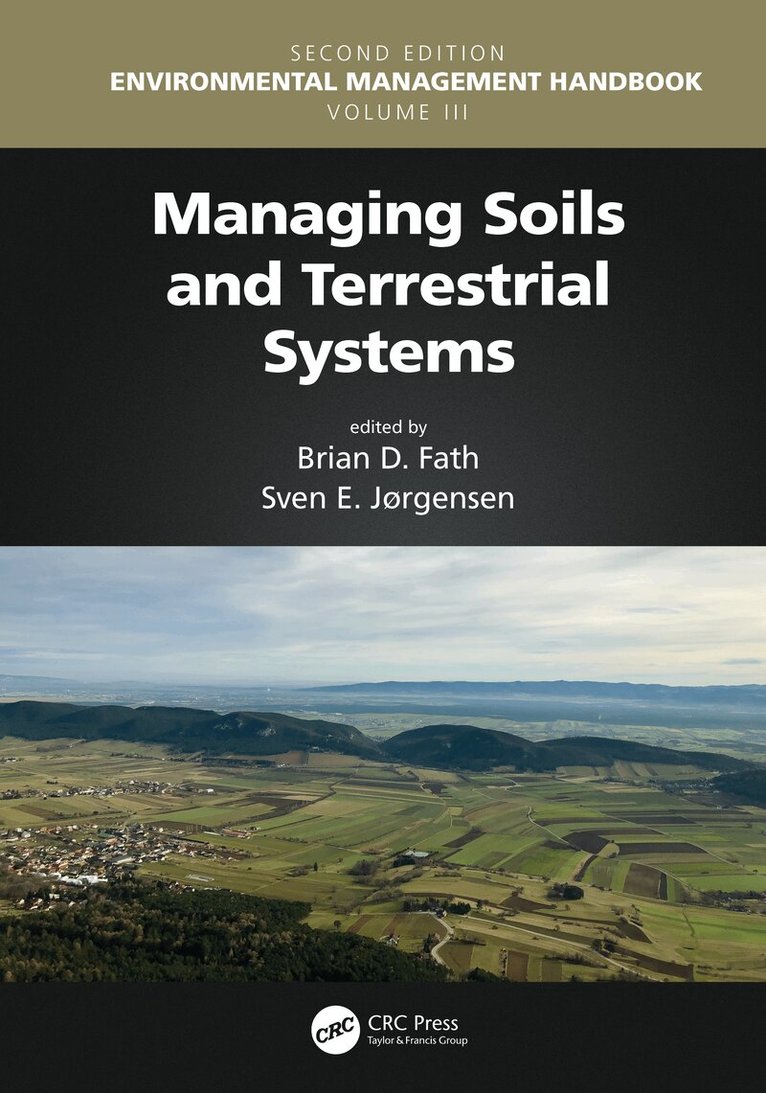
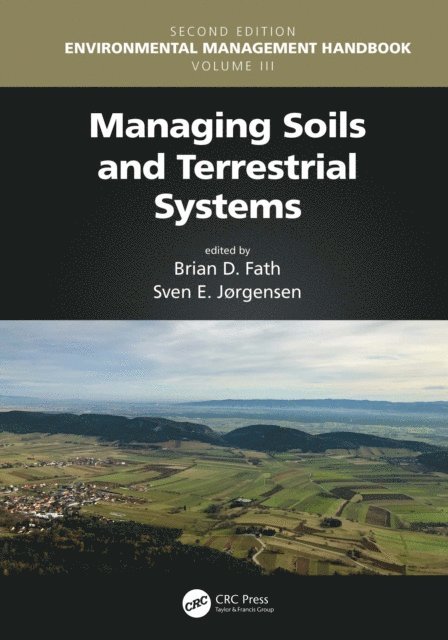
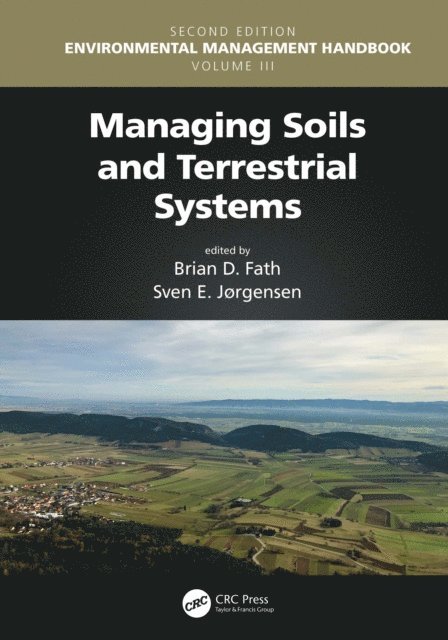
In this third volume, Managing Soils and Terrestrial Systems, the general concepts and processes of the geosphere with its related soil and terrestrial systems are introduced. It explains how these systems function and provides strategies on how to best manage them. It serves as an excellent resource for finding basic knowledge on the geosphere systems and includes important problems and solutions that environmental managers face today. This book practically demonstrates the key processes, methods, and models used in studying environmental management.
944 kr
Läs direkt efter köp
Bringing together a wealth of knowledge, Environmental Management Handbook, Second Edition, gives a comprehensive overview of environmental problems, their sources, their assessment, and their solutions. Through in-depth entries and a topical table of contents, readers will quickly find answers to questions about environmental problems and their corresponding management issues. This six-volume set is a reimagining of the award-winning Encyclopedia of Environmental Management, published in 2013, and features insights from more than 400 contributors, all experts in their field.
The experience, evidence, methods, and models used in studying environmental management are presented here in six stand-alone volumes, arranged along the major environmental systems.
Features
The first handbook that demonstrates the key processes and provisions for enhancing environmental management
Addresses new and cutting-edge topics on ecosystem services, resilience, sustainability, food–energy–water nexus, socio-ecological systems, and more
Provides an excellent basic knowledge on environmental systems, explains how these systems function, and offers strategies on how to best manage them
Includes the most important problems and solutions facing environmental management today
In this third volume, Managing Soils and Terrestrial Systems, the general concepts and processes of the geosphere with its related soil and terrestrial systems are introduced. It explains how these systems function and provides strategies on how to best manage them. It serves as an excellent resource for finding basic knowledge on the geosphere systems and includes important problems and solutions that environmental managers face today. This book practically demonstrates the key processes, methods, and models used in studying environmental management.
805 kr
Läs direkt efter köp
Bringing together a wealth of knowledge, Environmental Management Handbook, Second Edition, gives a comprehensive overview of environmental problems, their sources, their assessment, and their solutions. Through in-depth entries and a topical table of contents, readers will quickly find answers to questions about environmental problems and their corresponding management issues. This six-volume set is a reimagining of the award-winning Encyclopedia of Environmental Management, published in 2013, and features insights from more than 400 contributors, all experts in their field.
The experience, evidence, methods, and models used in studying environmental management are presented here in six stand-alone volumes, arranged along the major environmental systems.
Features
The first handbook that demonstrates the key processes and provisions for enhancing environmental management
Addresses new and cutting-edge topics on ecosystem services, resilience, sustainability, food–energy–water nexus, socio-ecological systems, and more
Provides an excellent basic knowledge on environmental systems, explains how these systems function, and offers strategies on how to best manage them
Includes the most important problems and solutions facing environmental management today
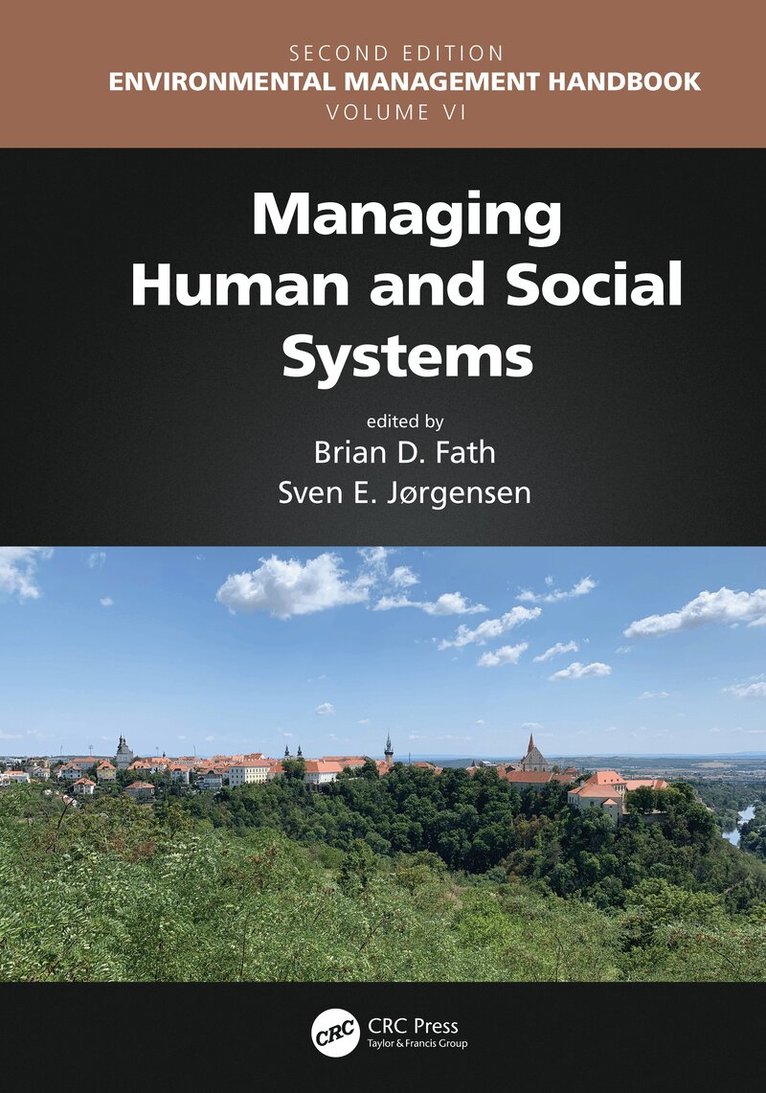
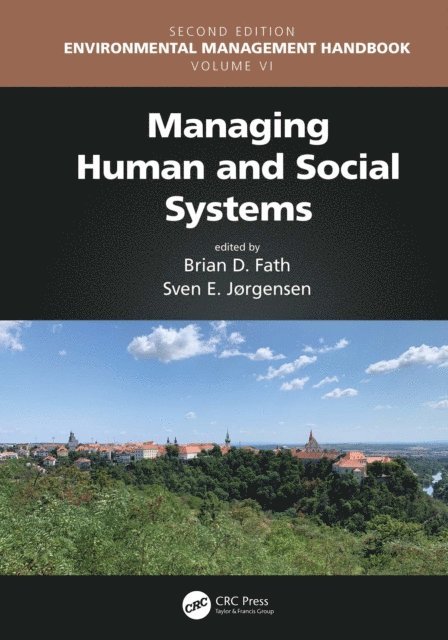
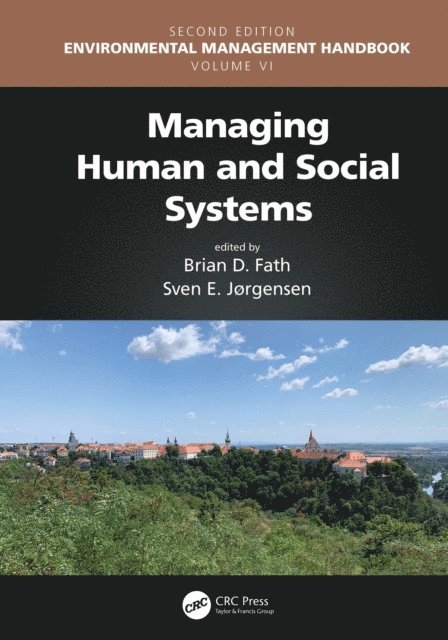
In this sixth volume, Managing Human and Social Systems, the reader is introduced to the general concepts and processes of all the environmental tools and their application to human and social systems. It explains how these systems function and provides strategies on how to best manage them. It serves as an excellent resource for finding basic knowledge on the human and social systems and includes important problems and solutions that environmental managers face today. This book practically demonstrates the key processes, methods, and models used in studying environmental management.
805 kr
Läs direkt efter köp
Bringing together a wealth of knowledge, Environmental Management Handbook, Second Edition, gives a comprehensive overview of environmental problems, their sources, their assessment, and their solutions. Through in-depth entries and a topical table of contents, readers will quickly find answers to questions about environmental problems and their corresponding management issues. This six-volume set is a reimagining of the award-winning Encyclopedia of Environmental Management, published in 2013, and features insights from more than 400 contributors, all experts in their field.
The experience, evidence, methods, and models used in studying environmental management are presented here in six stand-alone volumes, arranged along the major environmental systems.
Features
The first handbook that demonstrates the key processes and provisions for enhancing environmental management
Addresses new and cutting-edge topics on ecosystem services, resilience, sustainability, food–energy–water nexus, socio-ecological systems, and more
Provides an excellent basic knowledge on environmental systems, explains how these systems function, and offers strategies on how to best manage them
Includes the most important problems and solutions facing environmental management today
In this sixth volume, Managing Human and Social Systems, the reader is introduced to the general concepts and processes of all the environmental tools and their application to human and social systems. It explains how these systems function and provides strategies on how to best manage them. It serves as an excellent resource for finding basic knowledge on the human and social systems and includes important problems and solutions that environmental managers face today. This book practically demonstrates the key processes, methods, and models used in studying environmental management.
866 kr
Läs direkt efter köp
Bringing together a wealth of knowledge, Environmental Management Handbook, Second Edition, gives a comprehensive overview of environmental problems, their sources, their assessment, and their solutions. Through in-depth entries and a topical table of contents, readers will quickly find answers to questions about environmental problems and their corresponding management issues. This six-volume set is a reimagining of the award-winning Encyclopedia of Environmental Management, published in 2013, and features insights from more than 400 contributors, all experts in their field.
The experience, evidence, methods, and models used in studying environmental management are presented here in six stand-alone volumes, arranged along the major environmental systems.
Features
The first handbook that demonstrates the key processes and provisions for enhancing environmental management
Addresses new and cutting-edge topics on ecosystem services, resilience, sustainability, food–energy–water nexus, socio-ecological systems, and more
Provides an excellent basic knowledge on environmental systems, explains how these systems function, and offers strategies on how to best manage them
Includes the most important problems and solutions facing environmental management today
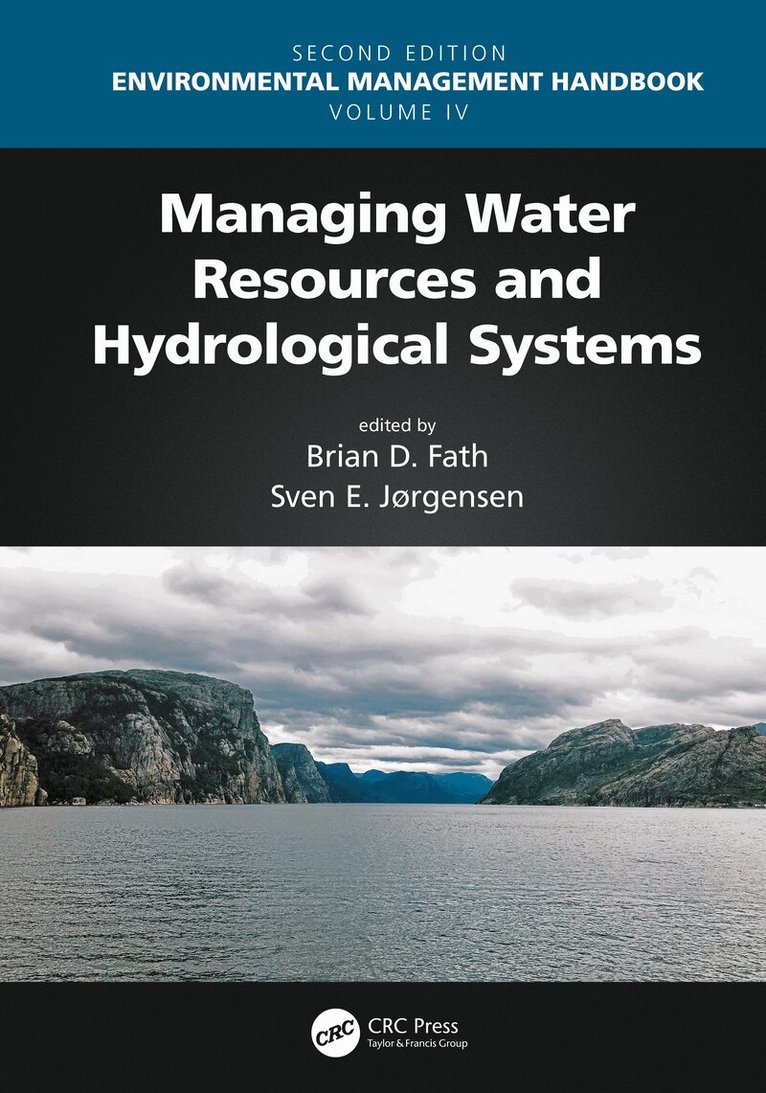
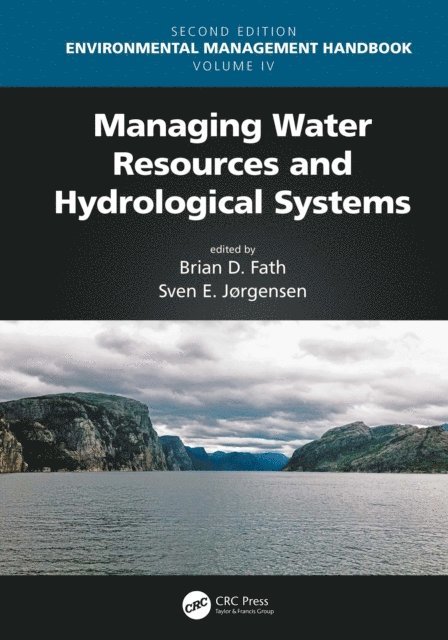
In this fourth volume, Managing Water Resources and Hydrological Systems, the reader is introduced to the general concepts and processes of the hydrosphere with its water resources and hydrological systems. This volume serves as an excellent resource for finding basic knowledge on the hydrosphere systems and includes important problems and solutions that environmental managers face today. This book practically demonstrates the key processes, methods, and models used in studying environmental management.
866 kr
Läs direkt efter köp
Bringing together a wealth of knowledge, Environmental Management Handbook, Second Edition, gives a comprehensive overview of environmental problems, their sources, their assessment, and their solutions. Through in-depth entries and a topical table of contents, readers will quickly find answers to questions about environmental problems and their corresponding management issues. This six-volume set is a reimagining of the award-winning Encyclopedia of Environmental Management, published in 2013, and features insights from more than 400 contributors, all experts in their field.
The experience, evidence, methods, and models used in studying environmental management are presented here in six stand-alone volumes, arranged along the major environmental systems.
Features
The first handbook that demonstrates the key processes and provisions for enhancing environmental management
Addresses new and cutting-edge topics on ecosystem services, resilience, sustainability, food–energy–water nexus, socio-ecological systems, and more
Provides an excellent basic knowledge on environmental systems, explains how these systems function, and offers strategies on how to best manage them
Includes the most important problems and solutions facing environmental management today
In this fourth volume, Managing Water Resources and Hydrological Systems, the reader is introduced to the general concepts and processes of the hydrosphere with its water resources and hydrological systems. This volume serves as an excellent resource for finding basic knowledge on the hydrosphere systems and includes important problems and solutions that environmental managers face today. This book practically demonstrates the key processes, methods, and models used in studying environmental management.
4 539 kr
Läs direkt efter köp
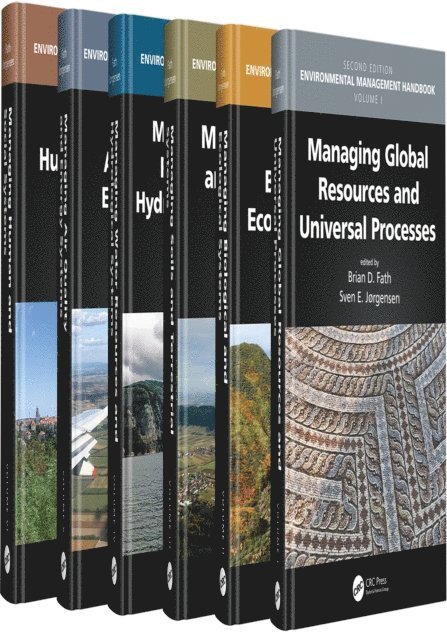
Bringing together a wealth of knowledge, the Handbook of Environmental Management, Second Edition, gives a comprehensive overview of environmental problems, their sources, their assessment, and their solutions. Through in-depth entries, and a topical table of contents, readers will quickly find answers to questions about pollution and management issues. This six-volume set is a reimagining of the award-winning Encyclopedia of Environmental Management, published in 2013, and features insights from more than 500 contributors, all experts in their fields.
The experience, evidence, methods, and models used in studying environmental management is presented here in six stand-alone volumes, arranged along the major environmental systems.
Features of the new edition:
The first handbook that demonstrates the key processes and provisions for enhancing environmental management. Addresses new and cutting -edge topics on ecosystem services, resilience, sustainability, food-energy-water nexus, socio-ecological systems and more. Provides an excellent basic knowledge on environmental systems, explains how these systems function and offers strategies on how to best manage them. Includes the most important problems and solutions facing environmental management today.