Brian Fishman – författare
Visar alla böcker från författaren Brian Fishman. Handla med fri frakt och snabb leverans.
5 produkter
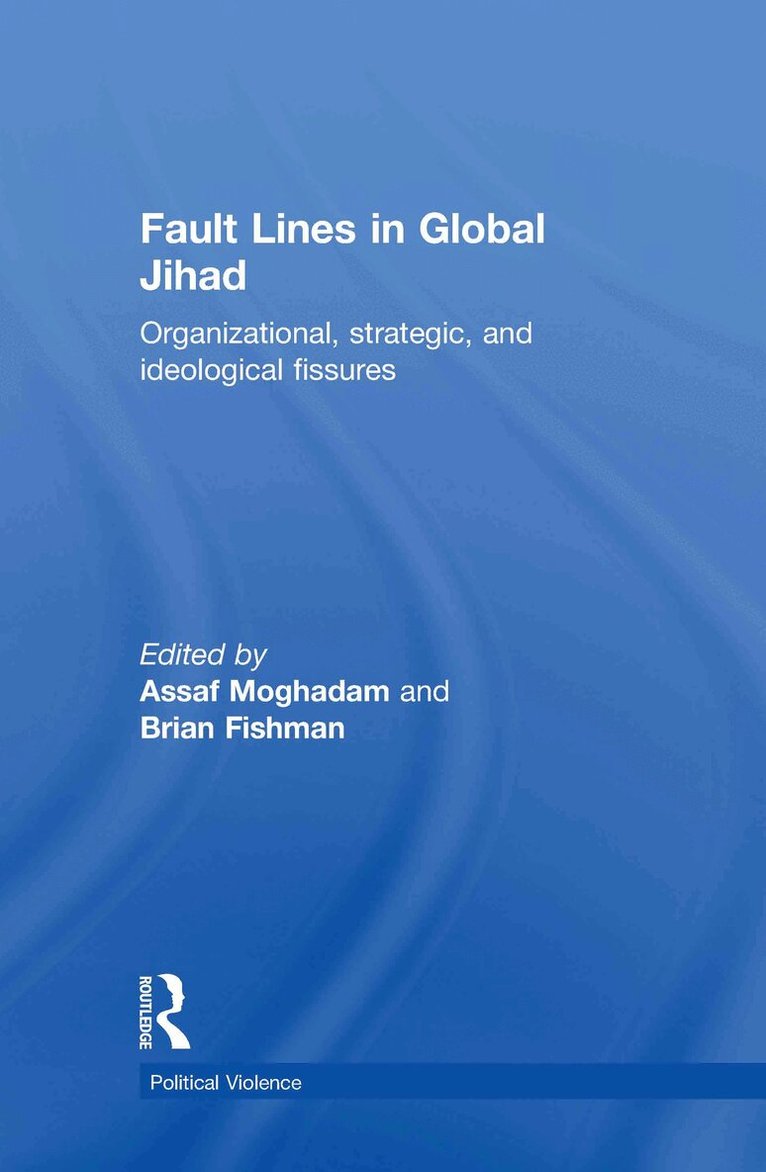
Fault Lines in Global Jihad
Organizational, Strategic, and Ideological Fissures
Av Assaf Moghadam, Brian Fishman
Inbunden, 2011
2504 kr
Lägg i varukorg
This book deals with the causes, nature, and impact of the divisions within the jihadi movement, and the splits between jihadis and other Islamic groups. Fault Lines in Global Jihad offers a systematic and comprehensive examination of the broad range of divisions that contribute to the weakening of …
Fault Lines in Global Jihad
Organizational, Strategic, and Ideological Fissures
Av Assaf Moghadam, Brian Fishman
Häftad, 2013
907 kr
Lägg i varukorg
This book deals with the causes, nature, and impact of the divisions within the jihadi movement, and the splits between jihadis and other Islamic groups. Fault Lines in Global Jihad offers a systematic and comprehensive examination of the broad range of divisions that contribute to the weakening of …
Fault Lines in Global Jihad
Organizational, Strategic, and Ideological Fissures
Av Brian Fishman, Assaf Moghadam
E-bok, 2011
1051 kr
Lägg i varukorg
This book deals with the causes, nature, and impact of the divisions within the jihadi movement, and the splits between jihadis and other Islamic groups. Fault Lines in Global Jihad offers a systematic and comprehensive examination of the broad range of divisions that contribute to the weakening of …
Fault Lines in Global Jihad
Organizational, Strategic, and Ideological Fissures
Av Brian Fishman, Assaf Moghadam
E-bok, 2011
1051 kr
Lägg i varukorg
This book deals with the causes, nature, and impact of the divisions within the jihadi movement, and the splits between jihadis and other Islamic groups. Fault Lines in Global Jihad offers a systematic and comprehensive examination of the broad range of divisions that contribute to the weakening of …
Master Plan
ISIS, al-Qaeda, and the Jihadi Strategy for Final Victory
Ljudbok, 2016
279 kr
Lägg i varukorg
Given how quickly its operations have achieved global impact, it may seem that the Islamic State materialized suddenly. In fact, al-Qaeda’s operations chief, Sayf al-Adl, devised a seven-stage plan for jihadis to conquer the world by 2020 that included reestablishing the Caliphate in Syria between …