Brian Gregor – författare
Visar alla böcker från författaren Brian Gregor. Handla med fri frakt och snabb leverans.
9 produkter
9 produkter
Häftad, Engelska, 2012
348 kr
Skickas inom 5-8 vardagar
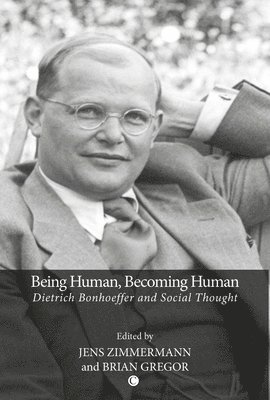
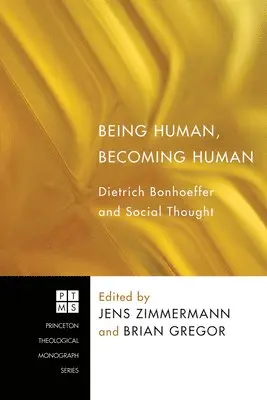
A critical analysis on some of the most significant writings of the theologian Dietrich Bonhoeffer.His conviction that Christ died for a new humanity is at the core of his theological anthropology.
Inbunden, Engelska, 2013
895 kr
Skickas inom 10-15 vardagar
What does the cross, both as a historical event and a symbol of religious discourse, tell us about human beings? In this provocative book, Brian Gregor draws together a hermeneutics of the self—through Heidegger, Gadamer, Ricoeur, and Taylor—and a theology of the cross—through Luther, Kierkegaard, Bonhoeffer, and Jüngel—to envision a phenomenology of the cruciform self. The result is a bold and original view of what philosophical anthropology could look like if it took the scandal of the cross seriously instead of reducing it into general philosophical concepts.
Häftad, Engelska, 2013
294 kr
Skickas inom 5-8 vardagar
What does the cross, both as a historical event and a symbol of religious discourse, tell us about human beings? In this provocative book, Brian Gregor draws together a hermeneutics of the self—through Heidegger, Gadamer, Ricoeur, and Taylor—and a theology of the cross—through Luther, Kierkegaard, Bonhoeffer, and Jüngel—to envision a phenomenology of the cruciform self. The result is a bold and original view of what philosophical anthropology could look like if it took the scandal of the cross seriously instead of reducing it into general philosophical concepts.
Häftad, Engelska, 2009
267 kr
Skickas inom 5-8 vardagar
Dietrich Bonhoeffer, best known for his involvement in the anti-Nazi resistance, was one of the 20th century's most important theologians. His ethics have been a source of guidance and inspiration for men and women in the face of evil. Today, Bonhoeffer's theology is being read by Continental thinkers who value his contributions to the recent "religious turn" in philosophy. In this volume, an international group of scholars present Bonhoeffer's thought as a model of Christian thinking that can help shape a distinctly religious philosophy. They examine the philosophical influences on Bonhoeffer and explore the new perspectives his work brings to the perennial challenges of faith and reason, philosophy and theology, and the problem of evil. These essays add Bonhoeffer's voice to important contemporary debates in the philosophy of religion.
Inbunden, Engelska, 2010
488 kr
Skickas inom 5-8 vardagar
Inbunden, Engelska, 2018
1 257 kr
Skickas inom 10-15 vardagar
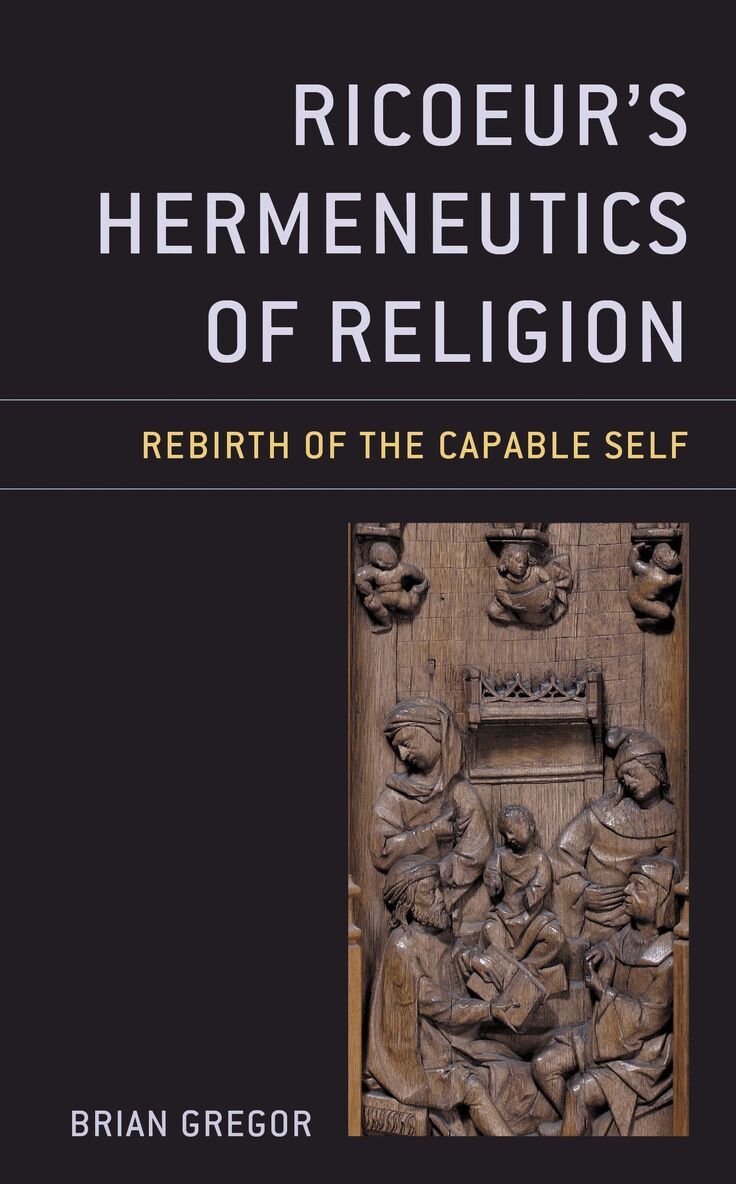
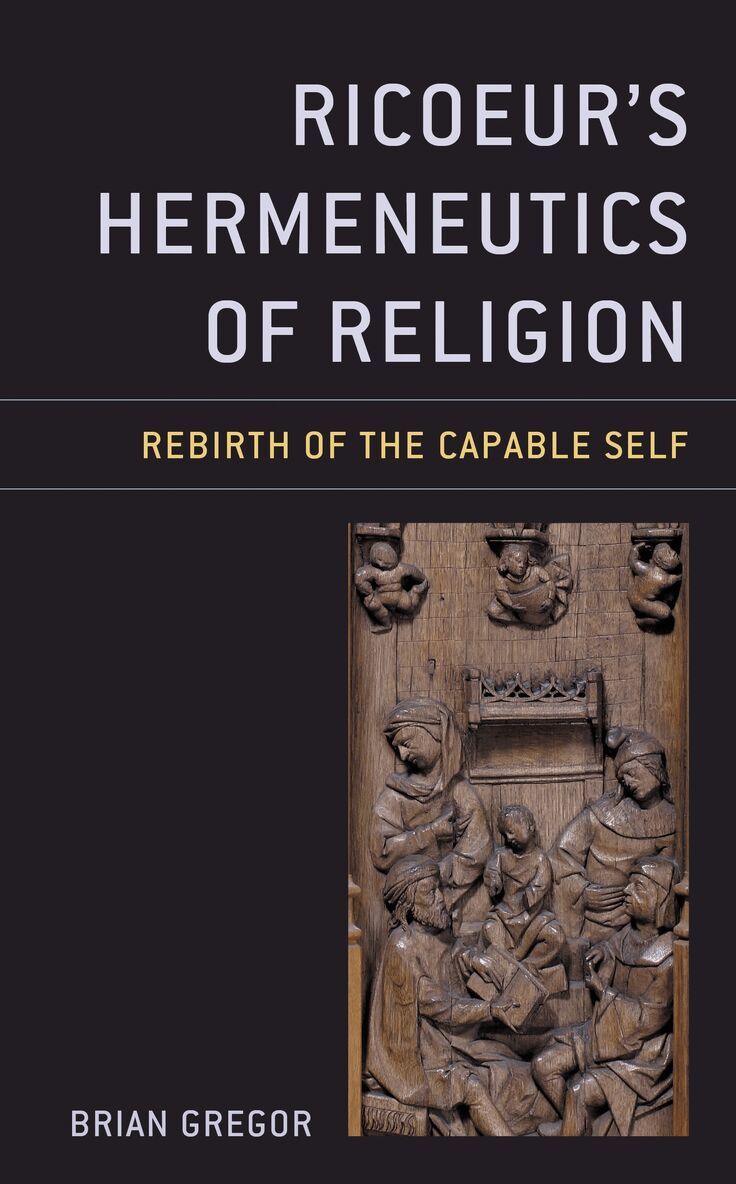
Religion was a constant theme throughout Paul Ricoeur’s long career, and yet he never wrote a full-length treatment of the topic. In this important new book, Brian Gregor draws on the full scope of Ricoeur’s writings to lay out the essential features of his philosophical interpretation of religion, from his earliest to his last work.Ricoeur’s central claim is that religion aims at the regeneration of human capability—in his words, “the rebirth of the capable self.” This book provides a rich thematic account of Ricoeur’s hermeneutics of religion, showing how the theme of capability informs his changing interpretations of religion, from his early work on French reflexive philosophy and the philosophy of the will to his late work on forgiveness, mourning, and living up to death. Gregor exhibits Ricoeur’s original contribution to philosophical reflection on such themes as evil, suffering, and violence, as well as imagination, embodiment, and spiritual exercise. He also presents a critical reconsideration of Ricoeur’s separation of philosophy from theology, and his philosophical interpretation of Christian theological ideas of revelation, divine transcendence and personhood, atonement, and eschatology.Additionally, Gregor provides an expansive look at Ricoeur’s interlocutors, including Marcel, Jaspers, Kant, Hegel, Levinas, and Girard. Theologically-inclined readers will be particularly interested in the book’s treatment of Karl Barth and the Protestant theology of the Word, which was a vital influence on Ricoeur.The result is a study of Ricoeur that is both sympathetic and critical, provocative and original, inviting the reader into a deeper engagement with Ricoeur’s philosophical interpretation of religion.
Häftad, Engelska, 2021
507 kr
Skickas inom 10-15 vardagar
Religion was a constant theme throughout Paul Ricoeur’s long career, and yet he never wrote a full-length treatment of the topic. In this important new book, Brian Gregor draws on the full scope of Ricoeur’s writings to lay out the essential features of his philosophical interpretation of religion, from his earliest to his last work.Ricoeur’s central claim is that religion aims at the regeneration of human capability—in his words, “the rebirth of the capable self.” This book provides a rich thematic account of Ricoeur’s hermeneutics of religion, showing how the theme of capability informs his changing interpretations of religion, from his early work on French reflexive philosophy and the philosophy of the will to his late work on forgiveness, mourning, and living up to death. Gregor exhibits Ricoeur’s original contribution to philosophical reflection on such themes as evil, suffering, and violence, as well as imagination, embodiment, and spiritual exercise. He also presents a critical reconsideration of Ricoeur’s separation of philosophy from theology, and his philosophical interpretation of Christian theological ideas of revelation, divine transcendence and personhood, atonement, and eschatology.Additionally, Gregor provides an expansive look at Ricoeur’s interlocutors, including Marcel, Jaspers, Kant, Hegel, Levinas, and Girard. Theologically-inclined readers will be particularly interested in the book’s treatment of Karl Barth and the Protestant theology of the Word, which was a vital influence on Ricoeur.The result is a study of Ricoeur that is both sympathetic and critical, provocative and original, inviting the reader into a deeper engagement with Ricoeur’s philosophical interpretation of religion.
Häftad, Engelska, 2010
331 kr
Skickas inom 5-8 vardagar
E-bok
Engelska, 2010505 kr
Läs direkt efter köp
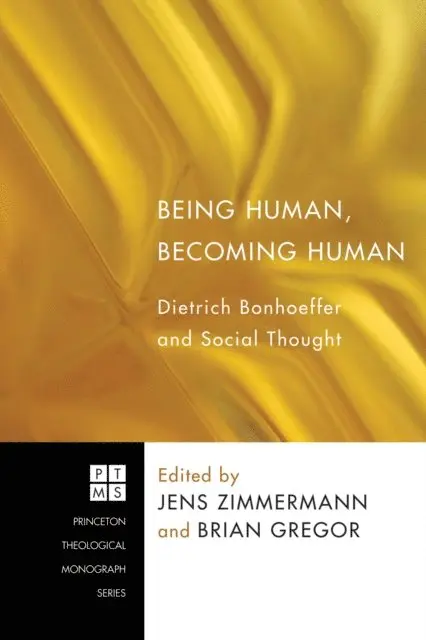
Who are we? What does it mean to be human? What is the purpose of our existence? In our time these continue to be urgent questions. The German theologian Dietrich Bonhoeffer thought deeply about these questions out of a desire to understand the importance of Christ and the incarnation for modern culture. His conviction that Christ died for a new humanity is at the core of his theological anthropology. Bonhoeffer''s Christ-centered, Trinitarian theology establishes the intrinsic sociality of humanity as made in the image of God.Being Human, Becoming Human assembles a distinguished and international group of scholars to examine Bonhoeffer''s understanding of human sociality. From the introduction of his dissertation, Sanctorum Communio, where he notes the social intention of all the basic Christian concepts, to his final writings in prison, where he describes Christian faith as being for others, the theme of human sociality runs throughout Bonhoeffer''s works. This theme links Bonhoeffer with contemporary concerns in theology, philosophy, cultural studies, and science regarding human reason, human nature, and their socio-cultural expressions.Vital reading for Bonhoeffer scholars as well as for those invested in theological debates regarding the social nature of human being, the essays in this volume examine Bonhoeffer''s rich resources for thinking about what it means to be human, to be the church, to be a disciple, and to be ethically responsible in our contemporary world.