Brian J. Abasciano – författare
Visar alla böcker från författaren Brian J. Abasciano. Handla med fri frakt och snabb leverans.
8 produkter
8 produkter
Inbunden, Engelska, 2006
2 505 kr
Skickas inom 10-15 vardagar
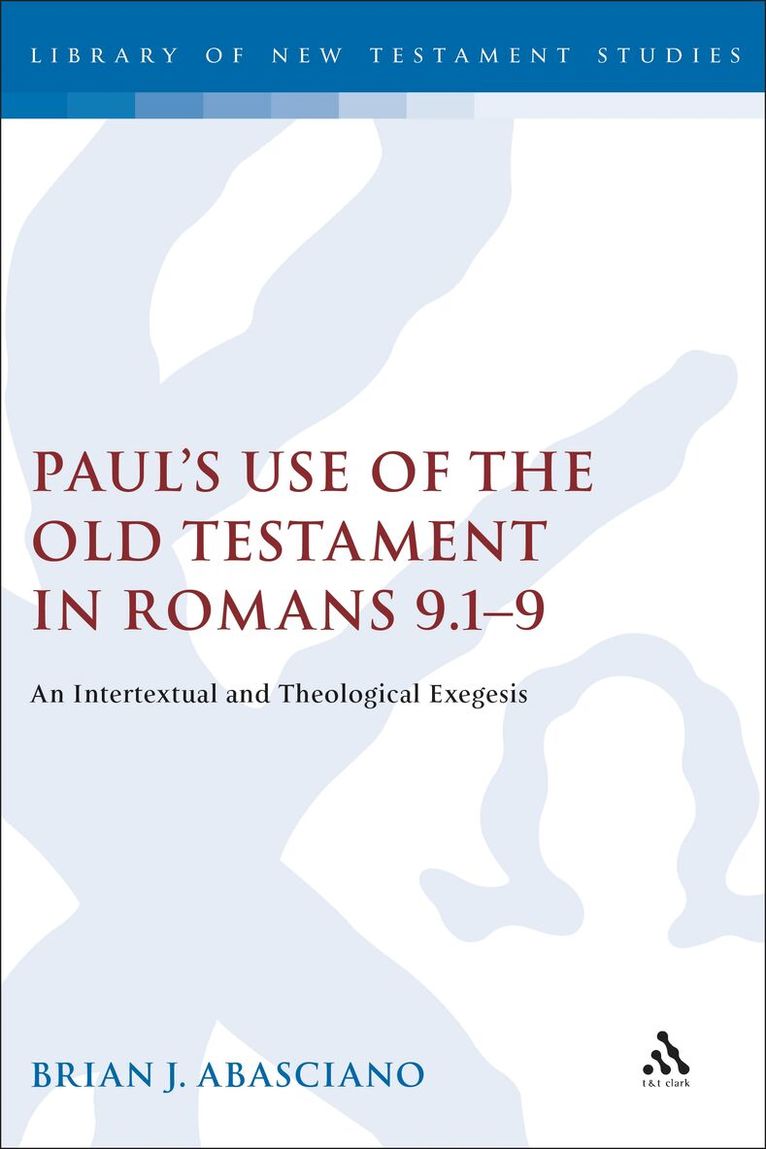
This investigation builds upon recent developments in the study of Paul's use of Scripture that center around the concept of "intertextuality." Abasciano uses an exegetical method that incorporates into a thorough traditional exegesis a comprehensive analysis of Paul's use of Scripture against the background of interpretive traditions surrounding the texts alluded to, with great emphasis placed on analyzing the original contexts of Paul's citations and allusions. Such an intertextual exegesis is conducted in Romans 9:1-9 with an awareness of the broader unit of chapters 9-11 especially, and also the epistle as a whole. The study finds that many of the themes Paul deals with in Romans 9-11 are also present in ancient Jewish and Christian interpretive traditions surrounding the passages he invokes, and more importantly, that Paul's scriptural quotations and allusions function as pointers to their broad original contexts, from which he developed much of the form, content, and direction of his argument, holding significance for a number of exegetical details as well as broader themes and rhetorical movements.The final chapter seeks to draw conclusions concerning the significance of Paul's use of the Old Testament in Romans 9:1-9 for the exegesis and theology of Romans and for Pauline intertextuality. The identity of the true people of God is central to Romans 9-11 and the epistle. And Paul's use of Scripture is contextual and referential, calling for attention to Pauline intertextuality in standard exegetical procedure. JSNTS 301
Inbunden, Engelska, 2011
2 089 kr
Skickas inom 10-15 vardagar
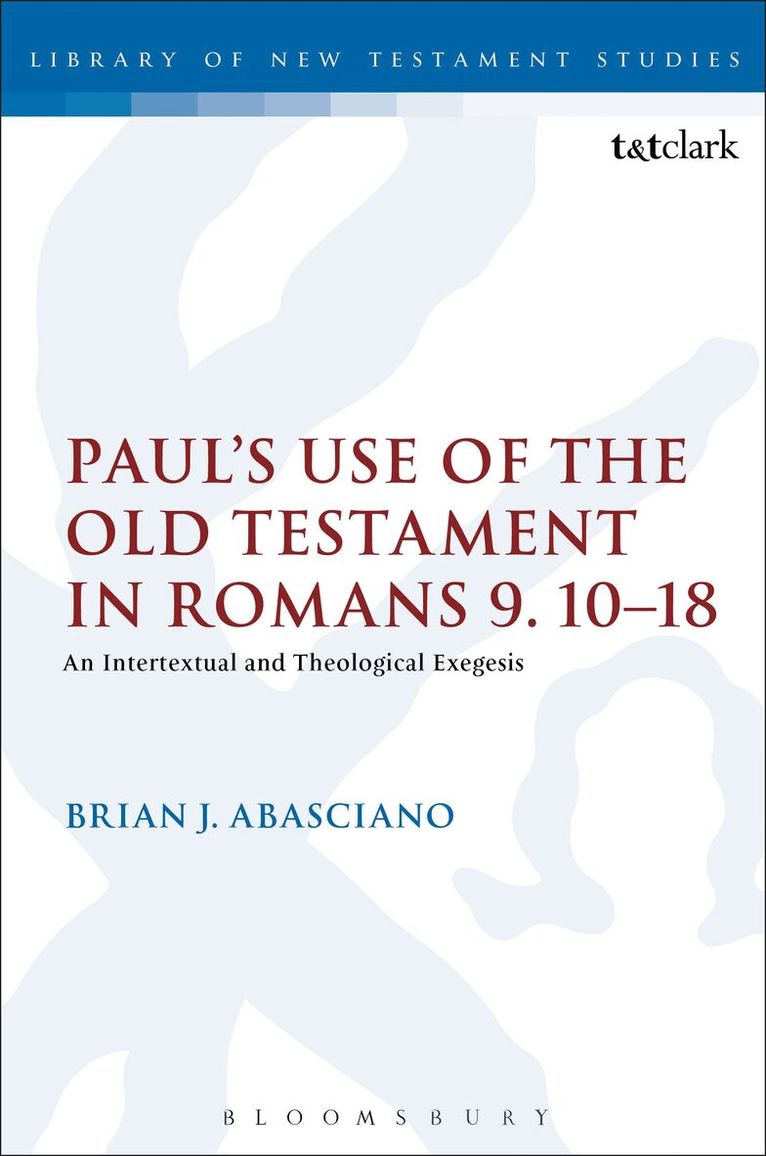
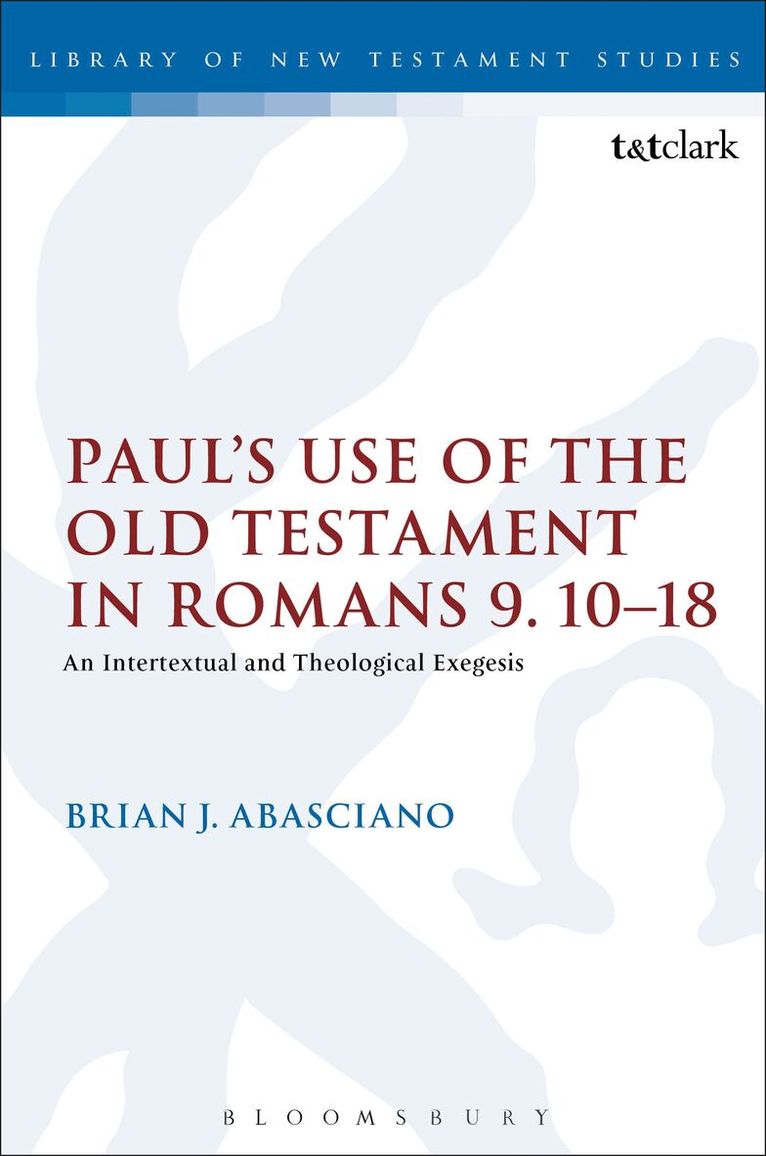
Abasciano builds upon his forthcoming LNTS volume Paul's Use of the Old Testament in Romans 9.1-9, continuing the project begun in that volume and its intertextual methodology. This method incorporates into a thorough traditional exegesis a comprehensive analysis of Paul's use of Scripture against the background of interpretive traditions surrounding the texts alluded to, with great emphasis placed on analyzing the original contexts of Paul's citations and allusions. Such an intertextual exegesis is conducted in Romans 9:10-33 with an awareness of the broader unit of chapters 9-11 especially, and also the epistle as a whole. Conclusions for the meaning of these passages and their theological significance are drawn. LNTS and SSEJC.
E-bok
PDF, Engelska, 2011590 kr
Läs direkt efter köp
Brian Abasciano continues his project examining the use of the Old Testament in Romans 9. Abasciano builds upon his forthcoming LNTS volume Paul''s Use of the Old Testament in Romans 9.1-9, continuing the project begun in that volume and its intertextual methodology. This method incorporates into a thorough traditional exegesis a comprehensive analysis of Paul''s use of Scripture against the background of interpretive traditions surrounding the texts alluded to, with great emphasis placed on analyzing the original contexts of Paul''s citations and allusions. Such an intertextual exegesis is conducted in Romans 9:10-33 with an awareness of the broader unit of chapters 9-11 especially, and also the epistle as a whole. Conclusions for the meaning of these passages and their theological significance are drawn. Formerly the Journal for the Study of the New Testament Supplement, this is a book series that explores the many aspects of New Testament study including historical perspectives, social-scientific and literary theory, and theological, cultural and contextual approaches. The Early Christianity in Context series, a part of JSNTS , examines the birth and development of early Christianity up to the end of the third century CE. The series places Christianity in its social, cultural, political and economic context. European Seminar on Christian Origins and Journal for the Study of the Historical Jesus Supplement are also part of JSNTS .
E-bok
PDF, Engelska, 20062 724 kr
Läs direkt efter köp
This investigation builds upon recent developments in the study of Paul''s use of Scripture that center around the concept of "intertextuality." Abasciano uses an exegetical method that incorporates into a thorough traditional exegesis a comprehensive analysis of Paul''s use of Scripture against the background of interpretive traditions surrounding the texts alluded to, with great emphasis placed on analyzing the original contexts of Paul''s citations and allusions. Such an intertextual exegesis is conducted in Romans 9:1-9 with an awareness of the broader unit of chapters 9-11 especially, and also the epistle as a whole. The study finds that many of the themes Paul deals with in Romans 9-11 are also present in ancient Jewish and Christian interpretive traditions surrounding the passages he invokes, and more importantly, that Paul''s scriptural quotations and allusions function as pointers to their broad original contexts, from which he developed much of the form, content, and direction of his argument, holding significance for a number of exegetical details as well as broader themes and rhetorical movements. The final chapter seeks to draw conclusions concerning the significance of Paul''s use of the Old Testament in Romans 9:1-9 for the exegesis and theology of Romans and for Pauline intertextuality. The identity of the true people of God is central to Romans 9-11 and the epistle. And Paul''s use of Scripture is contextual and referential, calling for attention to Pauline intertextuality in standard exegetical procedure.JSNTS 301
E-bok
PDF, Engelska, 2022438 kr
Läs direkt efter köp
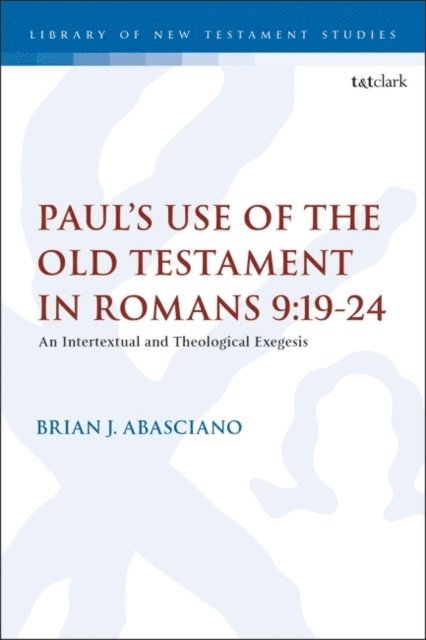
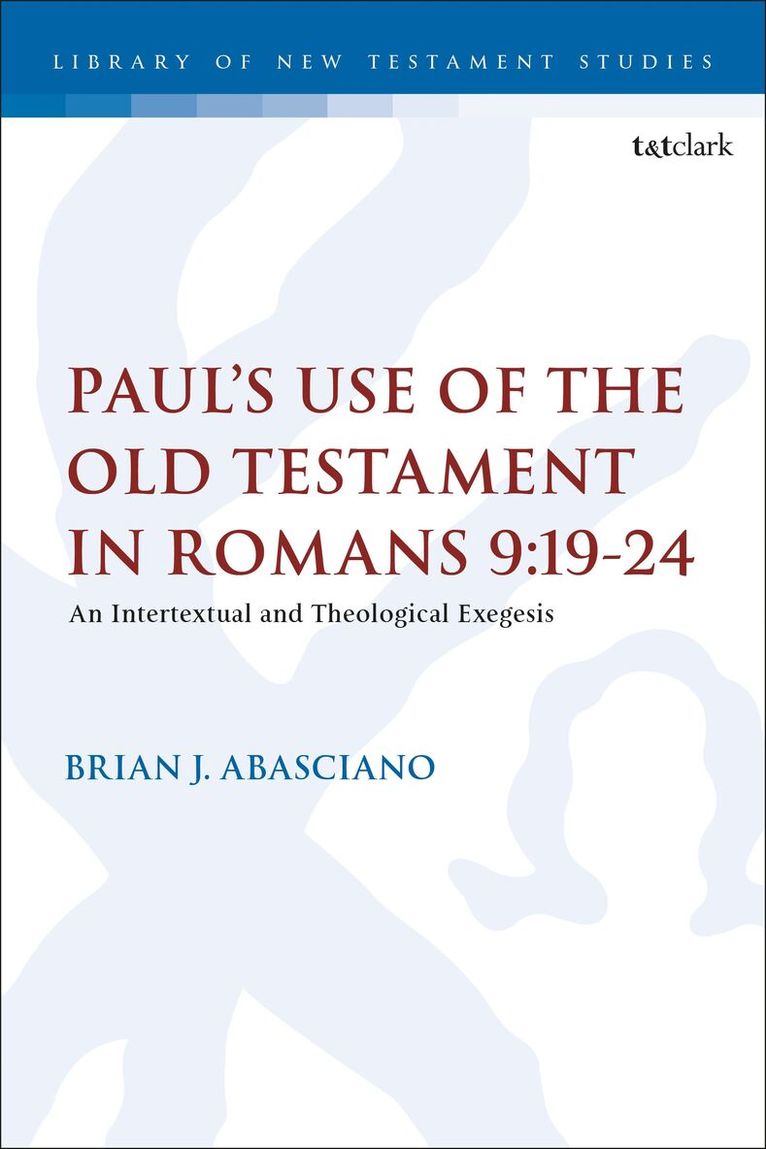
Brian Abasciano continues his project examining the use of the Old Testament in Romans 9, building upon his previous two volumes and their intertextual methodology. This method incorporates into a thorough traditional exegesis a comprehensive analysis of Paul''s use of Scripture against the background of interpretive traditions surrounding the texts alluded to, with great emphasis placed on analyzing the original contexts of Paul''s citations and allusions. Such an intertextual exegesis is conducted in Romans 9:19-24 with an awareness of the broader unit of chapters 9-11 especially, and also the epistle as a whole. Conclusions for the meaning of these passages and their theological significance are drawn.
Inbunden, Engelska, 2022
1 322 kr
Skickas
Brian Abasciano continues his project examining the use of the Old Testament in Romans 9, building upon his previous two volumes and their intertextual methodology. This method incorporates into a thorough traditional exegesis a comprehensive analysis of Paul's use of Scripture against the background of interpretive traditions surrounding the texts alluded to, with great emphasis placed on analyzing the original contexts of Paul's citations and allusions. Such an intertextual exegesis is conducted in Romans 9:19-24 with an awareness of the broader unit of chapters 9-11 especially, and also the epistle as a whole. Conclusions for the meaning of these passages and their theological significance are drawn.
Häftad, Engelska, 2012
548 kr
Skickas inom 10-15 vardagar
Abasciano builds upon his previous LNTS volume, Paul's Use of the Old Testament in Romans 9.1-9, continuing the project begun in that volume and its intertextual methodology. This method incorporates a thorough traditional exegesis into a comprehensive analysis of Paul's use of Scripture, set against the background of interpretive traditions which surround the texts alluded to. Great emphasis is placed on analyzing the original contexts of Paul's citations and allusions. Such an intertextual exegesis is conducted in Romans 9:10-18, with an awareness of the broader unit of chapters 9-11 especially, and the epistle as a whole. Conclusions for the meaning of these passages and their theological significance are thence drawn.
Häftad, Engelska, 2024
423 kr
Skickas inom 10-15 vardagar
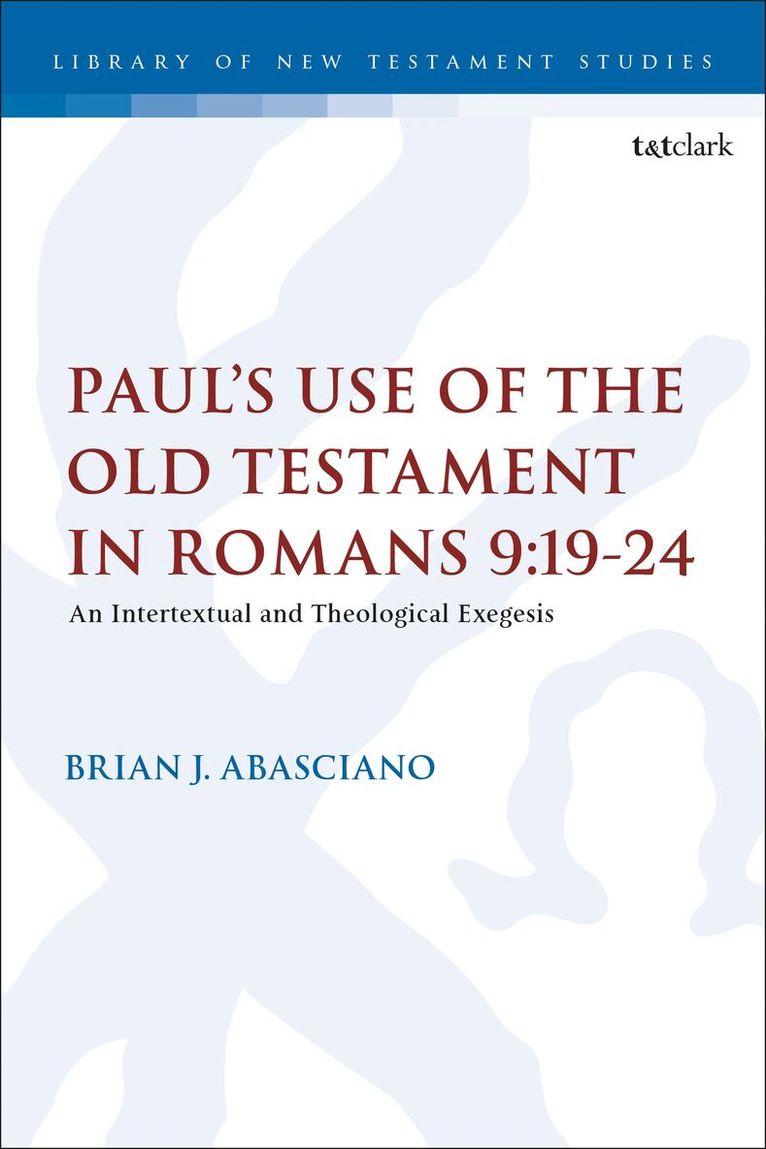
Brian Abasciano continues his project examining the use of the Old Testament in Romans 9, building upon his previous two volumes and their intertextual methodology. This method incorporates into a thorough traditional exegesis a comprehensive analysis of Paul's use of Scripture against the background of interpretive traditions surrounding the texts alluded to, with great emphasis placed on analyzing the original contexts of Paul's citations and allusions. Such an intertextual exegesis is conducted in Romans 9:19-24 with an awareness of the broader unit of chapters 9-11 especially, and also the epistle as a whole. Conclusions for the meaning of these passages and their theological significance are drawn.