Brian L. Tochterman – författare
Visar alla böcker från författaren . Handla med fri frakt och snabb leverans.
5 produkter
5 produkter
Inbunden, Engelska, 2017
1 214 kr
Skickas inom 10-15 vardagar
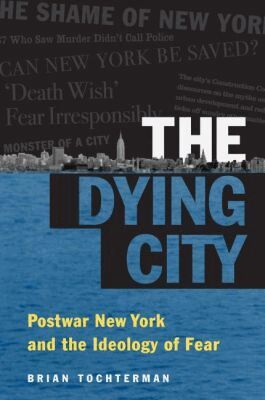
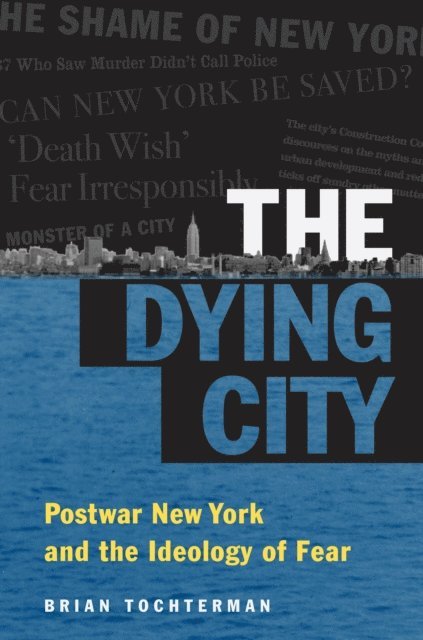
In this eye-opening cultural history, Brian Tochterman examines competing narratives that shaped post–World War II New York City. As a sense of crisis rose in American cities during the 1960s and 1970s, a period defined by suburban growth and deindustrialization, no city was viewed as in its death throes more than New York. Feeding this narrative of the dying city was a wide range of representations in film, literature, and the popular press--representations that ironically would not have been produced if not for a city full of productive possibilities as well as challenges. Tochterman reveals how elite culture producers, planners and theorists, and elected officials drew on and perpetuated the fear of death to press for a new urban vision. It was this narrative of New York as the dying city, Tochterman argues, that contributed to a burgeoning and broad anti-urban political culture hostile to state intervention on behalf of cities and citizens. Ultimately, the author shows that New York's decline--and the decline of American cities in general--was in part a self-fulfilling prophecy bolstered by urban fear and the new political culture nourished by it.
Häftad, Engelska, 2017
395 kr
Skickas inom 10-15 vardagar
In this eye-opening cultural history, Brian Tochterman examines competing narratives that shaped post–World War II New York City. As a sense of crisis rose in American cities during the 1960s and 1970s, a period defined by suburban growth and deindustrialization, no city was viewed as in its death throes more than New York. Feeding this narrative of the dying city was a wide range of representations in film, literature, and the popular press--representations that ironically would not have been produced if not for a city full of productive possibilities as well as challenges. Tochterman reveals how elite culture producers, planners and theorists, and elected officials drew on and perpetuated the fear of death to press for a new urban vision. It was this narrative of New York as the dying city, Tochterman argues, that contributed to a burgeoning and broad anti-urban political culture hostile to state intervention on behalf of cities and citizens. Ultimately, the author shows that New York's decline--and the decline of American cities in general--was in part a self-fulfilling prophecy bolstered by urban fear and the new political culture nourished by it.
E-bok
Engelska, 20171 991 kr
Läs direkt efter köp
In this eye-opening cultural history, Brian Tochterman examines competing narratives that shaped post–World War II New York City. As a sense of crisis rose in American cities during the 1960s and 1970s, a period defined by suburban growth and deindustrialization, no city was viewed as in its death throes more than New York. Feeding this narrative of the dying city was a wide range of representations in film, literature, and the popular press — representations that ironically would not have been produced if not for a city full of productive possibilities as well as challenges. Tochterman reveals how elite culture producers, planners and theorists, and elected officials drew on and perpetuated the fear of death to press for a new urban vision.It was this narrative of New York as the dying city, Tochterman argues, that contributed to a burgeoning and broad anti-urban political culture hostile to state intervention on behalf of cities and citizens. Ultimately, the author shows that New York’s decline — and the decline of American cities in general — was in part a self-fulfilling prophecy bolstered by urban fear and the new political culture nourished by it.
E-bok
PDF, Engelska, 2017245 kr
Läs direkt efter köp
In this eye-opening cultural history, Brian Tochterman examines competing narratives that shaped postWorld War II New York City. As a sense of crisis rose in American cities during the 1960s and 1970s, a period defined by suburban growth and deindustrialization, no city was viewed as in its death throes more than New York. Feeding this narrative of the dying city was a wide range of representations in film, literature, and the popular press representations that ironically would not have been produced if not for a city full of productive possibilities as well as challenges. Tochterman reveals how elite culture producers, planners and theorists, and elected officials drew on and perpetuated the fear of death to press for a new urban vision.It was this narrative of New York as the dying city, Tochterman argues, that contributed to a burgeoning and broad anti-urban political culture hostile to state intervention on behalf of cities and citizens. Ultimately, the author shows that New Yorks decline and the decline of American cities in general was in part a self-fulfilling prophecy bolstered by urban fear and the new political culture nourished by it.
E-bok
PDF, Engelska, 20171 504 kr
Läs direkt efter köp
In this eye-opening cultural history, Brian Tochterman examines competing narratives that shaped post–World War II New York City. As a sense of crisis rose in American cities during the 1960s and 1970s, a period defined by suburban growth and deindustrialization, no city was viewed as in its death throes more than New York. Feeding this narrative of the dying city was a wide range of representations in film, literature, and the popular press — representations that ironically would not have been produced if not for a city full of productive possibilities as well as challenges. Tochterman reveals how elite culture producers, planners and theorists, and elected officials drew on and perpetuated the fear of death to press for a new urban vision.It was this narrative of New York as the dying city, Tochterman argues, that contributed to a burgeoning and broad anti-urban political culture hostile to state intervention on behalf of cities and citizens. Ultimately, the author shows that New York’s decline — and the decline of American cities in general — was in part a self-fulfilling prophecy bolstered by urban fear and the new political culture nourished by it.