Brian S. Bauer – författare
Visar alla böcker från författaren Brian S. Bauer. Handla med fri frakt och snabb leverans.
16 produkter
16 produkter
Häftad, Engelska, 2004
378 kr
Skickas inom 5-8 vardagar
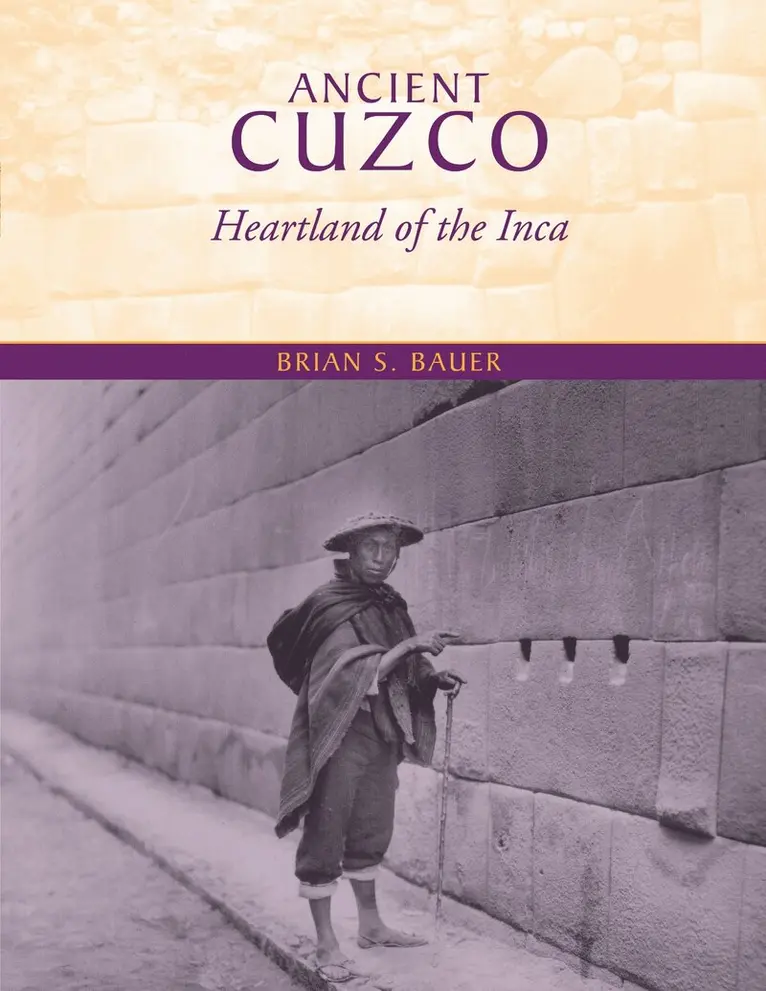
The Cuzco Valley of Peru was both the sacred and the political center of the largest state in the prehistoric Americas-the Inca Empire. From the city of Cuzco, the Incas ruled at least eight million people in a realm that stretched from modern-day Colombia to Chile. Yet, despite its great importance in the cultural development of the Americas, the Cuzco Valley has only recently received the same kind of systematic archaeological survey long since conducted at other New World centers of civilization.Drawing on the results of the Cuzco Valley Archaeological Project that Brian Bauer directed from 1994 to 2000, this landmark book undertakes the first general overview of the prehistory of the Cuzco region from the arrival of the first hunter-gatherers (ca. 7000 B.C.) to the fall of the Inca Empire in A.D. 1532. Combining archaeological survey and excavation data with historical records, the book addresses both the specific patterns of settlement in the Cuzco Valley and the larger processes of cultural development. With its wealth of new information, this book will become the baseline for research on the Inca and the Cuzco Valley for years to come.
Häftad, Engelska, 1996
216 kr
Skickas inom 10-15 vardagar
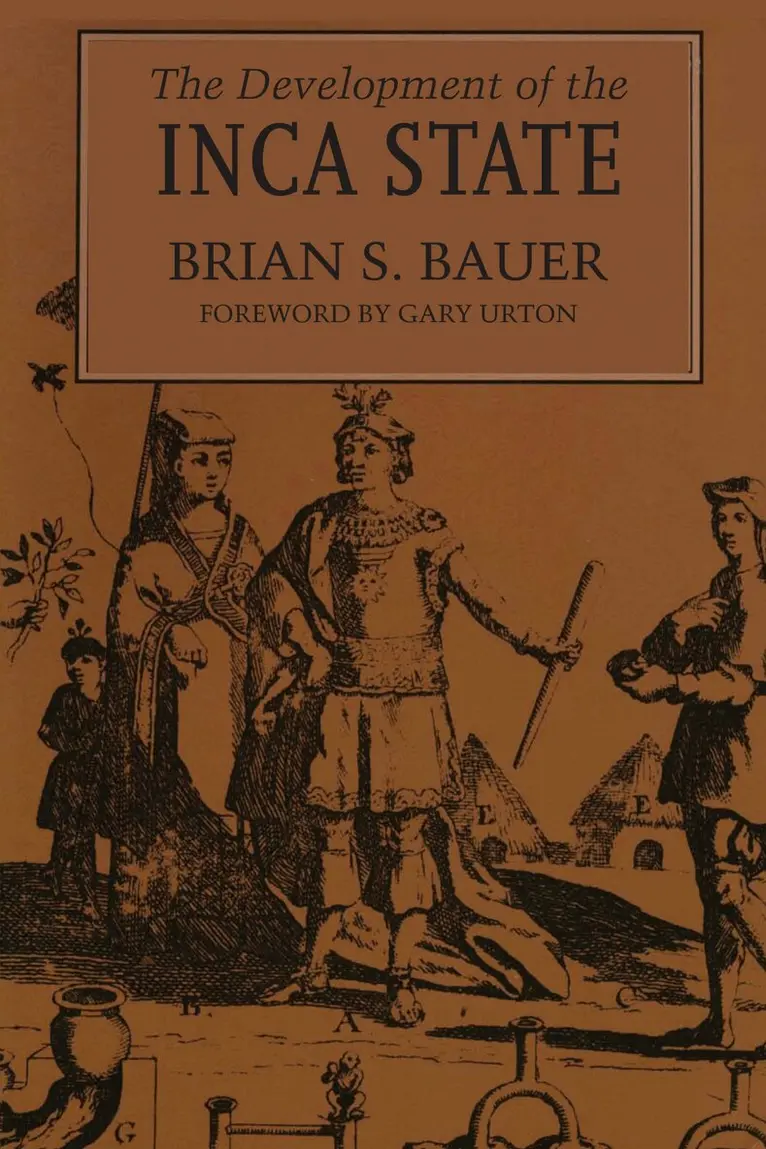
The Inca empire was the largest state in the Americas at the time of the Spanish invasion in 1532. From its political center in the Cuzco Valley, it controlled much of the area included in the modern nations of Ecuador, Peru, Chile, and Bolivia. But how the Inca state became a major pan-Andean power is less certain. In this innovative work, Brian S. Bauer challenges traditional views of Inca state development and offers a new interpretation supported by archaeological, historical, and ethnographic evidence.Spanish chroniclers of the sixteenth and seventeenth centuries attributed the rapid rise of Inca power to a decisive military victory over the Chanca, their traditional rivals, by Pachacuti Inca Yupanqui. By contrast, Bauer questions the usefulness of literal interpretations of the Spanish chronicles and provides instead a regional perspective on the question of state development. He suggests that incipient state growth in the Cuzco region was marked by the gradual consolidation and centralization of political authority in Cuzco, rather than resulting from a single military victory. Synthesizing regional surveys with excavation, historic, and ethnographic data, and investigating broad categories of social and economic organization, he shifts the focus away from legendary accounts and analyzes more general processes of political, economic, and social change.
Häftad, Engelska, 2001
351 kr
Skickas inom 5-8 vardagar
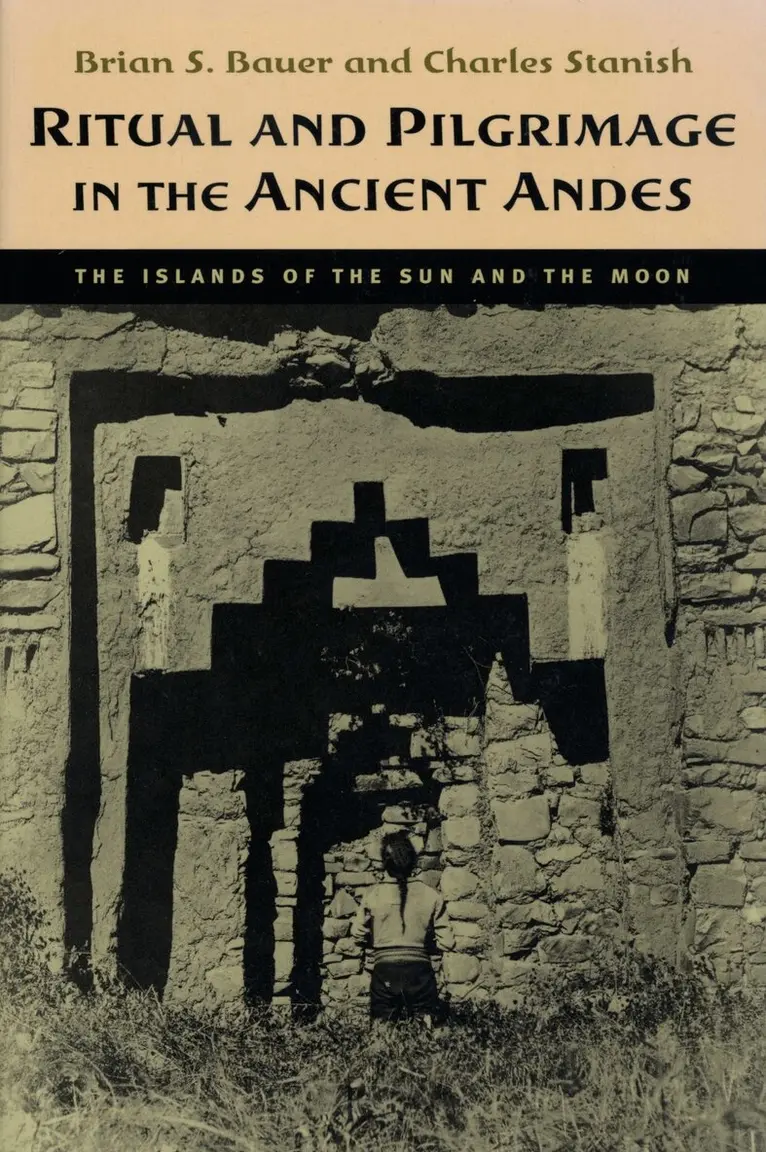
The Islands of the Sun and the Moon in Bolivia's Lake Titicaca were two of the most sacred locations in the Inca empire. A pan-Andean belief held that they marked the origin place of the Sun and the Moon, and pilgrims from across the Inca realm made ritual journeys to the sacred shrines there. In this book, Brian Bauer and Charles Stanish explore the extent to which this use of the islands as a pilgrimage center during Inca times was founded on and developed from earlier religious traditions of the Lake Titicaca region.Drawing on a systematic archaeological survey and test excavations in the islands, as well as data from historical texts and ethnography, the authors document a succession of complex polities in the islands from 2000 BC to the time of European contact in the 1530s AD. They uncover significant evidence of pre-Inca ritual use of the islands, which raises the compelling possibility that the religious significance of the islands is of great antiquity. The authors also use these data to address broader anthropological questions on the role of pilgrimage centers in the development of pre-modern states.
Häftad, Engelska, 1998
378 kr
Skickas inom 5-8 vardagar
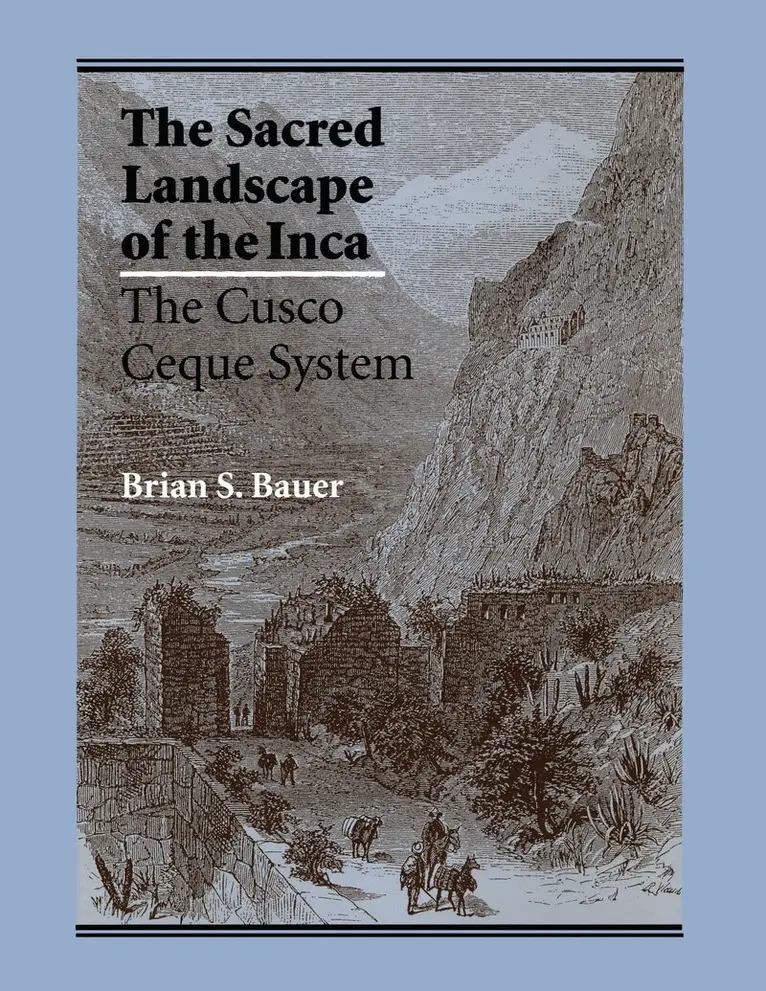
The ceque system of Cusco, the ancient capital of the Inca empire, was perhaps the most complex indigenous ritual system in the pre-Columbian Americas. From a center known as the Coricancha (Golden Enclosure) or the Temple of the Sun, a system of 328 huacas (shrines) arranged along 42 ceques (lines) radiated out toward the mountains surrounding the city. This elaborate network, maintained by ayllus (kin groups) that made offerings to the shrines in their area, organized the city both temporally and spiritually. From 1990 to 1995, Brian Bauer directed a major project to document the ceque system of Cusco. In this book, he synthesizes extensive archaeological survey work with archival research into the Inca social groups of the Cusco region, their land holdings, and the positions of the shrines to offer a comprehensive, empirical description of the ceque system. Moving well beyond previous interpretations, Bauer constructs a convincing model of the system's physical form and its relation to the social, political, and territorial organization of Cusco.
Inbunden, Engelska, 2022
359 kr
Skickas inom 5-8 vardagar
Häftad, Engelska, 2022
207 kr
Skickas inom 5-8 vardagar
Inbunden, Engelska, 2022
345 kr
Skickas inom 5-8 vardagar
Häftad, Engelska, 2022
180 kr
Skickas inom 5-8 vardagar
Häftad, Engelska, 2016
396 kr
Skickas inom 5-8 vardagar
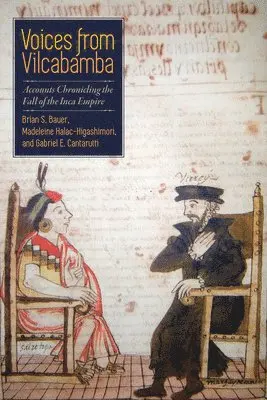
A rich new source of important archival information, Voices from Vilcabamba examines the fall of the Inca Empire in unprecedented detail. Containing English translations of seven major documents from the Vilcabamba era (1536–1572), this volume presents an overview of the major events that occurred in the Vilcabamba region of Peru during the final decades of Inca rule.Brian S. Bauer, Madeleine Halac-Higashimori, and Gabriel E. Cantarutti have translated and analyzed seven documents, most notably Description of Vilcabamba by Baltasar de Ocampo Conejeros and a selection from Martín de Murúa’s General History of Peru, which focuses on the fall of Vilcabamba. Additional documents from a range of sources that include Augustinian investigations, battlefield reports, and critical eyewitness accounts are translated into English for the first time.With a critical introduction on the history of the region during the Spanish Conquest and introductions to each of the translated documents, the volume provides an enhanced narrative on the nature of European-American relations during this time of important cultural transformation.
Del 57 - Monographs
Kasapata and the Archaic Period of the Cuzco Valley
Häftad, Engelska, 2007
173 kr
Skickas inom 5-8 vardagar
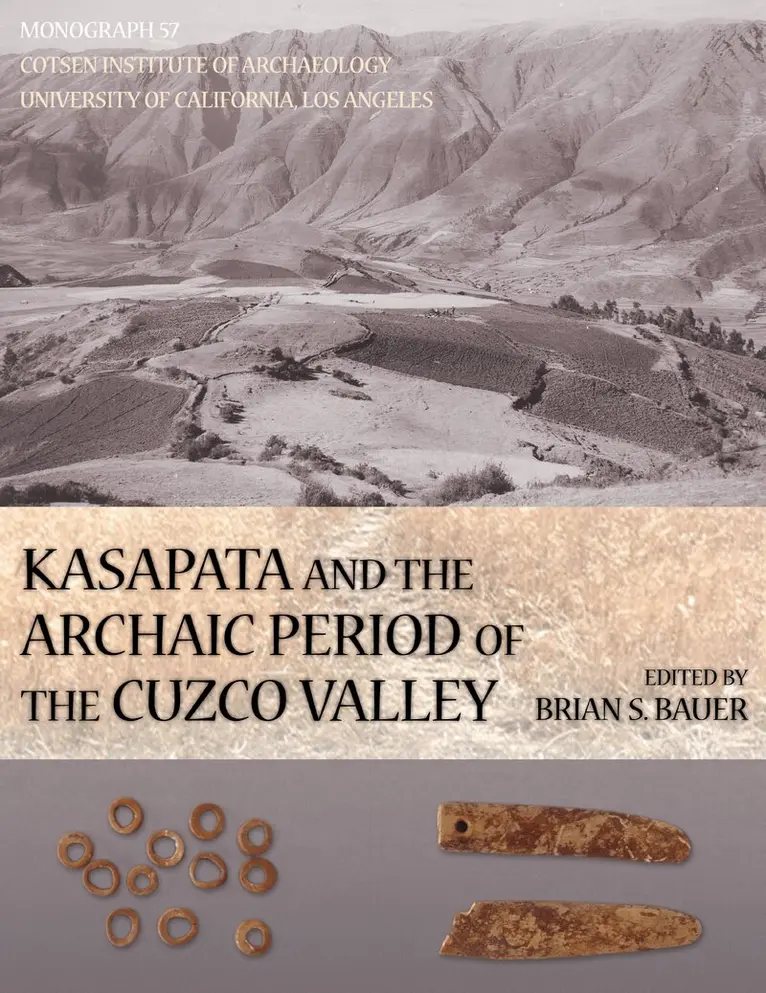
Although the Cuzco Valley of Peru is renowned for being the heartland of the Incas, little is known concerning its pre-Inca inhabitants. Until recently it was widely believed that the first inhabitants of the Cuzco Valley were farmers who lived in scattered villages along the valley floor (ca. 1000 BC) and that there were no Archaic Period remains in the region. This perspective was challenged during a systematic survey of the valley, when numerous preceramic sites were found. Additional information came from excavations at the site of Kasapata, the largest preceramic site identified during the survey. It is now clear that the Cuzco Valley was inhabited, like many other regions of the Andes, soon after the retreat of the Pleistocene glaciers and that it supported thriving cultures of hunters and foragers for hundreds of generations before the advent of permanent settlements. This edited volume provides the first overview of the Archaic Period (9000 - 2200 BC) in the Cuzco Valley. The chapters include a detailed discussion of the distribution of Archaic sites in the valley as well as the result of excavations at the site of Kasapata. Separate chapters are dedicated to examining the lithics, human burials, faunal remains, and obsidian recovered at this remarkably well-preserved site.
Del 57 - Monographs
Kasapata and the Archaic Period of the Cuzco Valley
Inbunden, Engelska, 2007
243 kr
Skickas inom 5-8 vardagar
Although the Cuzco Valley of Peru is renowned for being the heartland of the Incas, little is known concerning its pre-Inca inhabitants. Until recently it was widely believed that the first inhabitants of the Cuzco Valley were farmers who lived in scattered villages along the valley floor (ca. 1000 BC) and that there were no Archaic Period remains in the region. This perspective was challenged during a systematic survey of the valley, when numerous preceramic sites were found. Additional information came from excavations at the site of Kasapata, the largest preceramic site identified during the survey. It is now clear that the Cuzco Valley was inhabited, like many other regions of the Andes, soon after the retreat of the Pleistocene glaciers and that it supported thriving cultures of hunters and foragers for hundreds of generations before the advent of permanent settlements. This edited volume provides the first overview of the Archaic Period (9000 - 2200 BC) in the Cuzco Valley. The chapters include a detailed discussion of the distribution of Archaic sites in the valley as well as the result of excavations at the site of Kasapata. Separate chapters are dedicated to examining the lithics, human burials, faunal remains, and obsidian recovered at this remarkably well-preserved site.
Del 68 - Monographs
Chanka
Archaeological Research in Andahuaylas (Apurimac), Peru
Inbunden, Engelska, 2010
706 kr
Skickas inom 5-8 vardagar
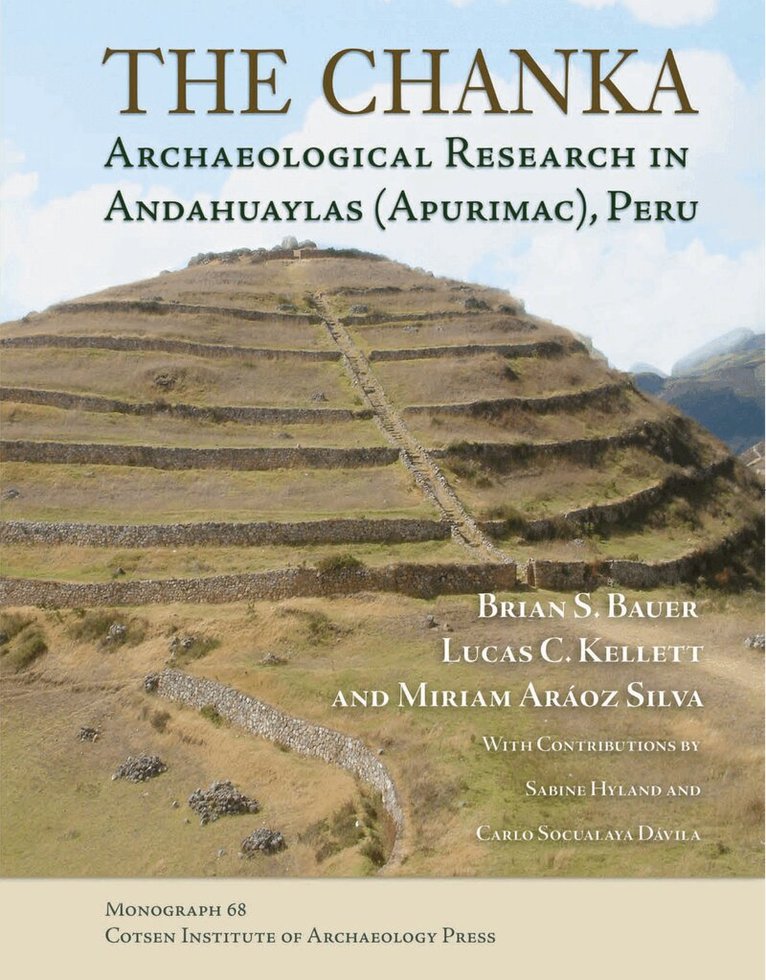
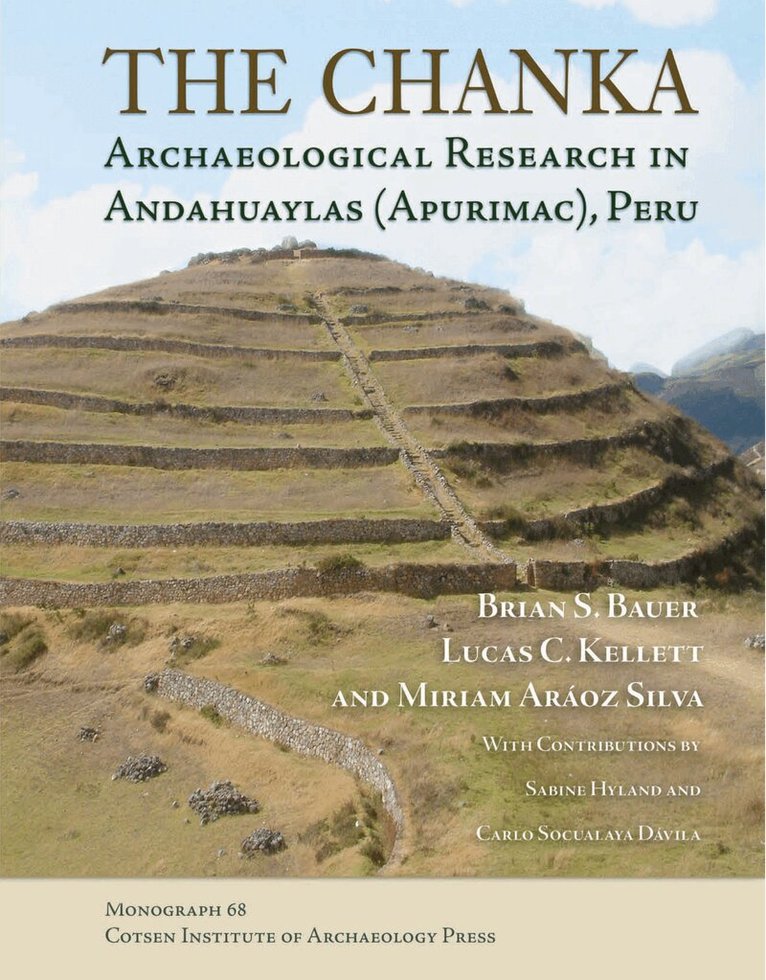
In AD 1438 a battle took place outside the city of Cuzco that changed the course of South American history. The Chanka, a powerful ethnic group from the Andahuaylas region, had begun an aggressive program of expansion. Conquering a host of smaller polities, their army had advanced well inside the territory of their traditional rival, the Inca. In a series of unusual maneuvers, the Inca defeated the invading Chanka forces and became the most powerful people in the Andes. Many scholars believe that the defeat of the Chanka represents a defining moment in the history of South America as the Inca then continued to expand and establish the largest empire of the Americas. Despite its critical position in South American history, until recently the Chanka heartland remained unexplored and the cultural processes that led to their rapid development and subsequent defeat by the Inca had not been investigated. From 2001 to 2004, Brian Bauer conducted an archaeological survey of the Andahuaylas region. This project represents an unparalleled opportunity to examine theoretical issues concerning the history and cultural development of late-prehistoric societies in this area of the Andes. The resulting book includes an archaeological analysis on the development of the Chanka and examines their ultimate defeat by the Inca.
Del 68 - Monographs
Chanka
Archaeological Research in Andahuaylas (Apurimac), Peru
Häftad, Engelska, 2010
479 kr
Skickas inom 5-8 vardagar
In AD 1438 a battle took place outside the city of Cuzco that changed the course of South American history. The Chanka, a powerful ethnic group from the Andahuaylas region, had begun an aggressive program of expansion. Conquering a host of smaller polities, their army had advanced well inside the territory of their traditional rival, the Inca. In a series of unusual maneuvers, the Inca defeated the invading Chanka forces and became the most powerful people in the Andes. Many scholars believe that the defeat of the Chanka represents a defining moment in the history of South America as the Inca then continued to expand and establish the largest empire of the Americas. Despite its critical position in South American history, until recently the Chanka heartland remained unexplored and the cultural processes that led to their rapid development and subsequent defeat by the Inca had not been investigated. From 2001 to 2004, Brian Bauer conducted an archaeological survey of the Andahuaylas region. This project represents an unparalleled opportunity to examine theoretical issues concerning the history and cultural development of late-prehistoric societies in this area of the Andes. The resulting book includes an archaeological analysis on the development of the Chanka and examines their ultimate defeat by the Inca.
Del 81 - Monographs
Vilcabamba and the Archaeology of Inca Resistance
Häftad, Engelska, 2015
829 kr
Skickas inom 5-8 vardagar
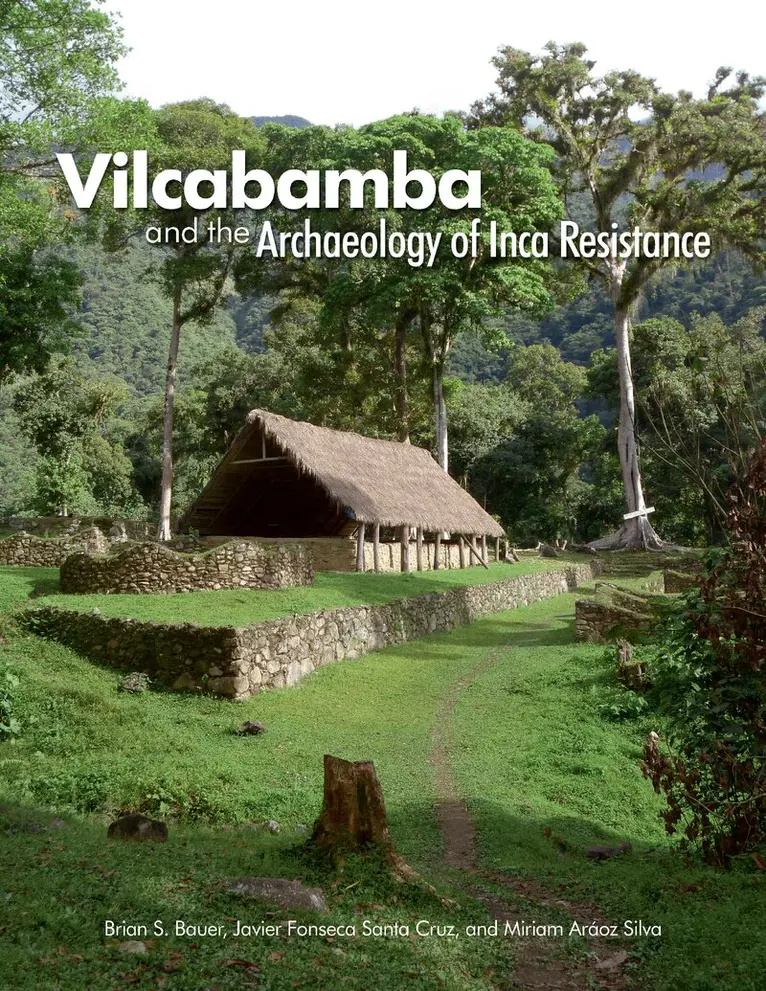
The sites of Vitcos and Espiritu Pampa are two of the most important Inca cities within the remote Vilcabamba region of Peru. The province has gained notoriety among historians, archaeologists, and other students of the Inca, since it was from here that the last independent Incas waged a nearly forty-year-long war (AD 1536-1572) against Spanish control of the Andes. Building on three years of excavation and two years of archival work, the authors discuss the events that took place in this area, speaking to the complex relationships that existed between the Europeans and Andeans during the decades that Vilcabamba was the final stronghold of the Inca empire. This has long been a topic of interest for the public; the results of the first large-scale scientific research conducted in the region will be illuminating for scholars as well as for general readers who are enthusiasts of this period of history and archaeology.
Del 44 - Monumenta Archaeologica
Wari Enclave of Espiritu Pampa
Inbunden, Engelska, 2021
1 339 kr
Skickas inom 5-8 vardagar
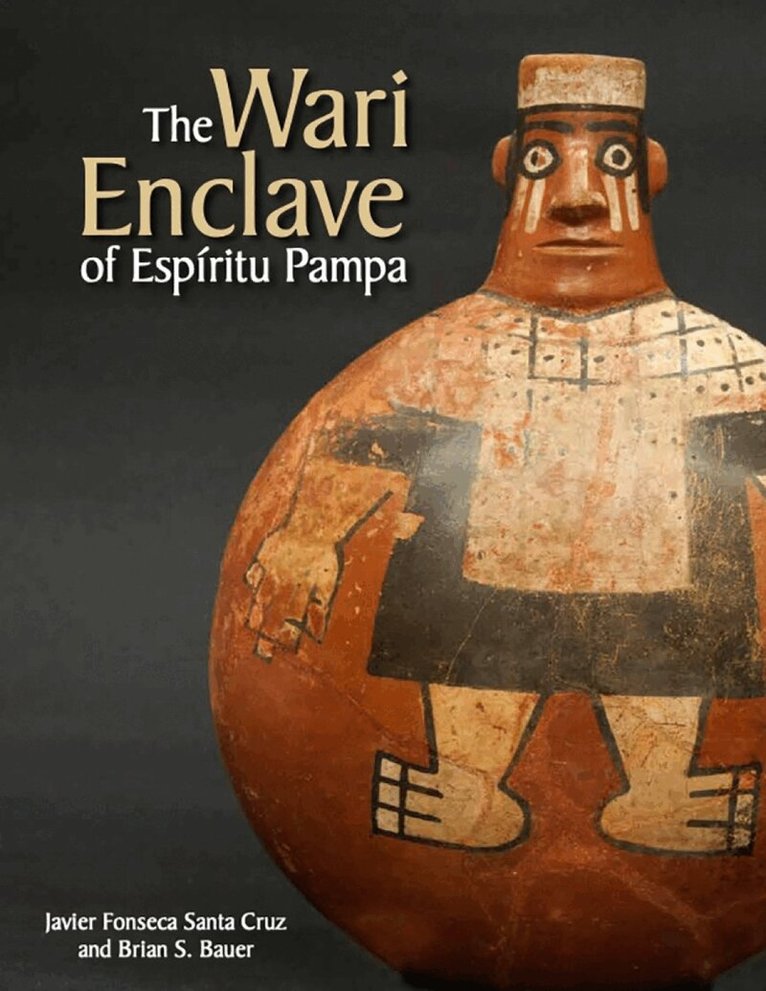
The Wari State was the first expansionistic power to develop in the Andean highlands. Emerging in the area of modern Ayacucho (Peru) around AD 650, the Wari expanded to control much of the central Andes by the time of their collapse at AD 1000. This book describes the discovery and excavation (2010-2012) of a major new Wari site (Espiritu Pampa), located in the subtropical region of Vilcabamba (Department of Cuzco).While it was long believed that the Wari established trade networks between their highland capital and the Amazonian lowlands, the identification of a large Wari site in the Vilcabamba region came as a surprise to most Wari specialists.This book covers the first three years of excavations at the Wari site of Espiritu Pampa. It describes the identification of a central plaza surrounded by a series of D-shaped structures, that are believed to be the loci of special activates for the Wari. It also describes the contents of more than 30 burials, many of which contained finely crafted silver, gold, bronze and ceramic objects.
Del 52 - Monographs
Archaeological Research on the Islands of the Sun and Moon, Lake Titicaca, Bolivia
Final Results from the Proyecto Tiksi Kjarka
Häftad, Engelska, 2004
173 kr
Tillfälligt slut
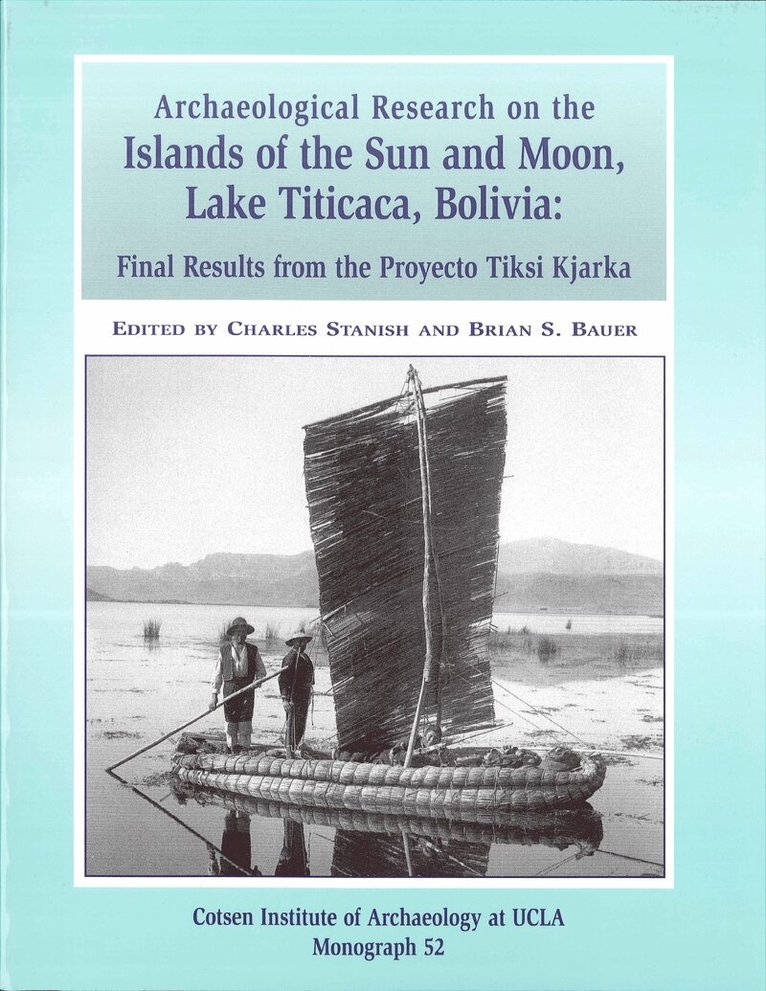
Beginning in 1994, the Proyecto Tiksi Kjarka conducted a complete survey of the Islands of the Sun and Moon in southern Lake Titicaca, along with test excavations of important Inca, Tiwanaku, and pre-Tiwanaku sites. This book provides the final results of this work on one of the most important locations in the circum-Titicaca Basin, with detailed survey and excavation data indispensable for Andeanists and other scholars interested in the development of complex political, economic, and ritual systems in prehistory.