Examining a single broad tribal identity – al-Azd – from the immediate pre-Islamic period into the early Abbasid era, this book notes the ways it was continually refashioned over that time. It explores the ways in which the rise of the early Islamic empire influenced the peoples of the Arabian Peninsula who became a core part of it, and examines the connections between the kinship societies and the developing state of the early caliphate. This helps us to understand how what are often called ‘tribal’ forms of social organisation identity conditioned its growth and helped shape what became its common elite culture.Studying the relationship between tribe and state during the first two centuries of the caliphate, author Brian Ulrich’s focus is on understanding the survival and transformation of tribal identity until it became part of the literate high culture of the Abbasid caliphate and a component of a larger Arab ethnic identity. He argues that, from pre-Islamic Arabia to the caliphate, greater continuity existed between tribal identity and social practice than is generally portrayed.
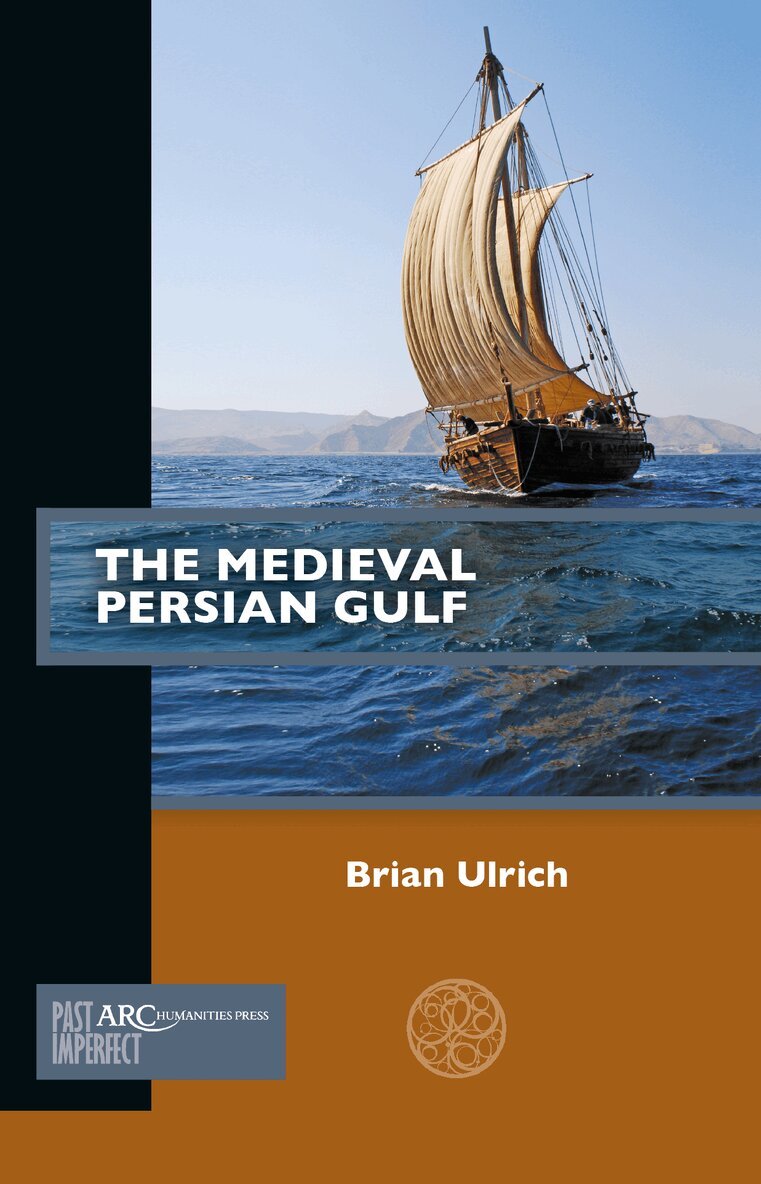
The Persian Gulf today is home to multiple cosmopolitan urban hubs of globalization. This did not start with the discovery of oil. This book tells of the Gulf from the rise of Islam until the coming of the Portuguese, when port cities such as Siraf, Sohar, and Hormuz were entrepots for trading pearls, horses, spices, and other products across much of Asia and eastern Africa. Indeed, products traded there became a key part of the material culture of medieval Islamic civilization, and the Gulf region itself was a crucial membrane between the Middle East and the world of the broader Indian Ocean. The book also highlights the long-term presence of communities of South Asian and African ancestry, as well as patterns of religious change among Jews, Christians, Zoroastrians, and Muslims that belie the image of a region long polarized between Arabs and Persians and Sunnis and Shi’ites.
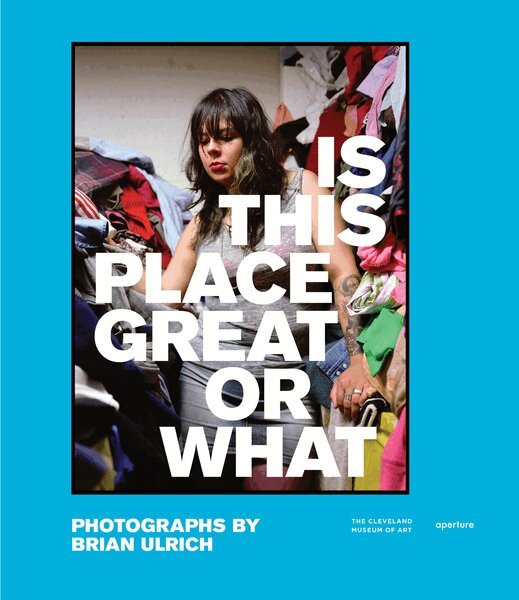
Plenty, Brian Ulrich’s long-awaited first monograph, presents the photographer’s decade-long exploration of the shifting tectonic plates that make up American consumer society. Ulrich focuses, in part, on photographing the architectural legacies of a retail-driven economy in the midst of collapse— shopping malls on the brink of demolition, empty big box stores, and other retail structures in transition. In depicting the disintegration of the former economic and social anchors of the American landscape, Ulrich does more than sketch the fraying surfaces of a shopping-obsessed culture. He has also created a series of clear-eyed yet sympathetic portraits—of teenaged shoppers lost in reverie over a new pair of shoes, thrift-store mavens determined to find the best deal possible, and families desperately in search of that perfect purchase. Cinematic and utterly engrossing, these portraits are interspersed among the forlorn landscapes of empty parking lots and foreclosed malls. Tracing a palpable trajectory from irrational exuberance to debt-laden hangover, Ulrich has successfully managed to get under the skin of the current economic crisis, providing a sobering document—both personal as well as sociologically astute—of the American consumer psyche in the first decade of the twenty-first century. Plenty will accompany an exhibition of the same title at the Cleveland Museum of Art.