Brian W. Kernighan – författare
Visar alla böcker från författaren Brian W. Kernighan. Handla med fri frakt och snabb leverans.
14 produkter
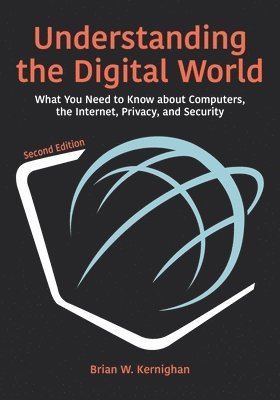
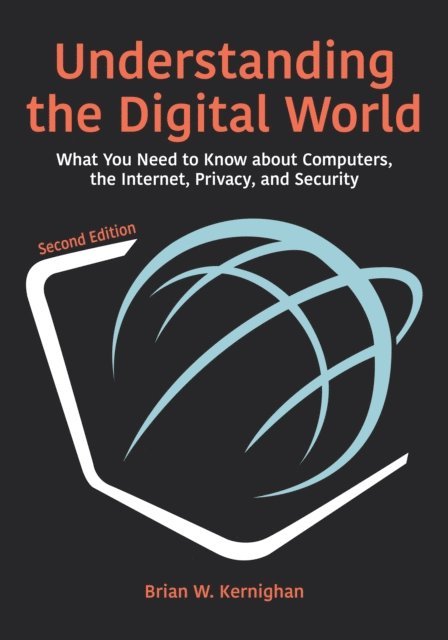
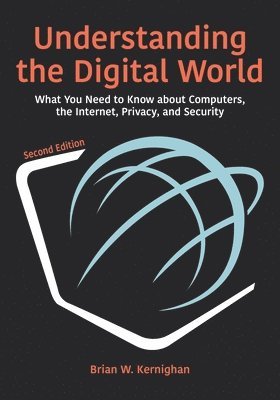
Understanding the Digital World
What You Need to Know about Computers, the Internet, Privacy, and Security, Second Edition
Häftad, 2021
510 kr
Lägg i varukorg
A brand-new edition of the popular introductory textbook that explores how computer hardware, software, and networks workComputers are everywhere. Some are highly visible, in laptops, tablets, cell phones, and smart watches. But most are invisible, like those in appliances, cars, medical equipment, …
Understanding the Digital World
What You Need to Know about Computers, the Internet, Privacy, and Security, Third Edition
Häftad, 2027
404 kr
Kommande
The popular introductory textbook that explains how computer hardware, software, and networks work—now fully updated for today’s fast-changing digital ageUnderstanding the Digital World has established itself as the essential computer science textbook for nonmajors and a must-read for anyone who …
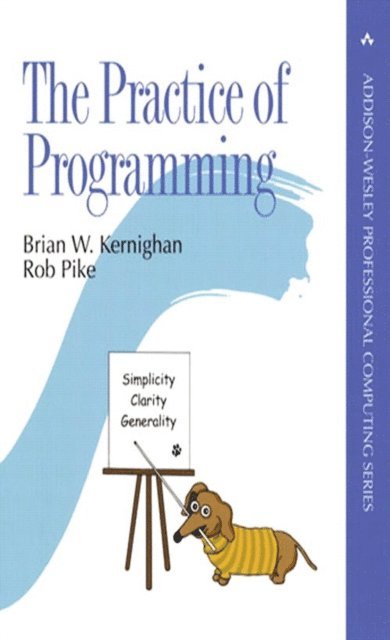
Practice of Programming, The
Av Rob Pike, Brian W. Kernighan
E-bok, 1999
567 kr
Lägg i varukorg
With the same insight and authority that made their book The Unix Programming Environment a classic, Brian Kernighan and Rob Pike have written The Practice of Programming to help make individual programmers more effective and productive. The practice of programming is more than just writing code. …
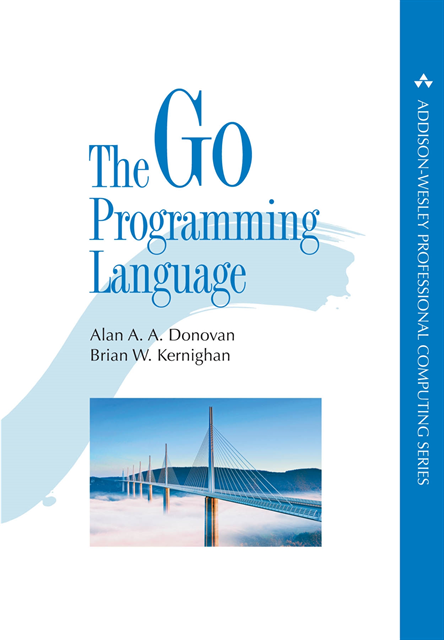
Go Programming Language, The
Av Brian W. Kernighan, Alan A. A. Donovan
E-bok, 2015
441 kr
Lägg i varukorg
The Go Programming Language is the authoritative resource for any programmer who wants to learn Go. It shows how to write clear and idiomatic Go to solve real-world problems. The book does not assume prior knowledge of Go nor experience with any specific language, so you’ll find it accessible …
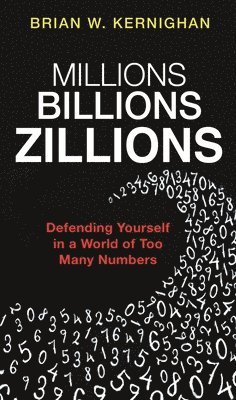
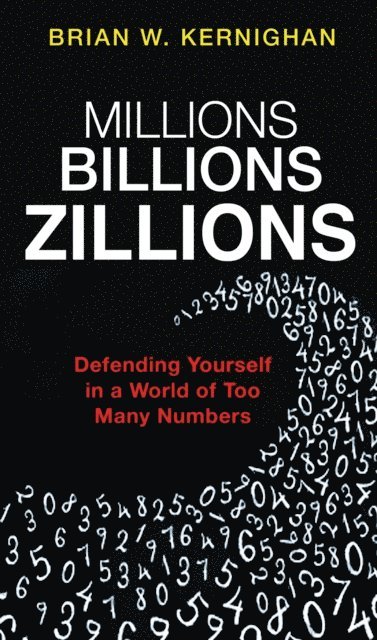
Millions, Billions, Zillions
Defending Yourself in a World of Too Many Numbers
Inbunden, 2018
203 kr
Lägg i varukorg
An essential guide to recognizing bogus numbers and misleading dataNumbers are often intimidating, confusing, and even deliberately deceptive—especially when they are really big. The media loves to report on millions, billions, and trillions, but frequently makes basic mistakes or presents such …
Millions, Billions, Zillions
Defending Yourself in a World of Too Many Numbers
E-bok, 2018
196 kr
Lägg i varukorg
An essential guide to recognizing bogus numbers and misleading data Numbers are often intimidating, confusing, and even deliberately deceptive—especially when they are really big. The media loves to report on millions, billions, and trillions, but frequently makes basic mistakes or presents such …
Millions, Billions, Zillions
Defending Yourself in a World of Too Many Numbers
Häftad, 2020
152 kr
Lägg i varukorg
An essential guide to recognizing bogus numbers and misleading dataNumbers are often intimidating, confusing, and even deliberately deceptive—especially when they are really big. The media loves to report on millions, billions, and trillions, but frequently makes basic mistakes or presents such …
Understanding the Digital World
What You Need to Know about Computers, the Internet, Privacy, and Security, Second Edition
E-bok, 2021
558 kr
Lägg i varukorg
A brand-new edition of the popular introductory textbook that explores how computer hardware, software, and networks work Computers are everywhere. Some are highly visible, in laptops, tablets, cell phones, and smart watches. But most are invisible, like those in appliances, cars, medical …
Understanding the Digital World
What You Need to Know about Computers, the Internet, Privacy, and Security, Third Edition
Inbunden, 2027
1109 kr
Kommande
The popular introductory textbook that explains how computer hardware, software, and networks work—now fully updated for today’s fast-changing digital ageUnderstanding the Digital World has established itself as the essential computer science textbook for nonmajors and a must-read for anyone who …
D is for Digital: What a well-informed person should know about computers and communications
Häftad
260 kr
Lägg i varukorg
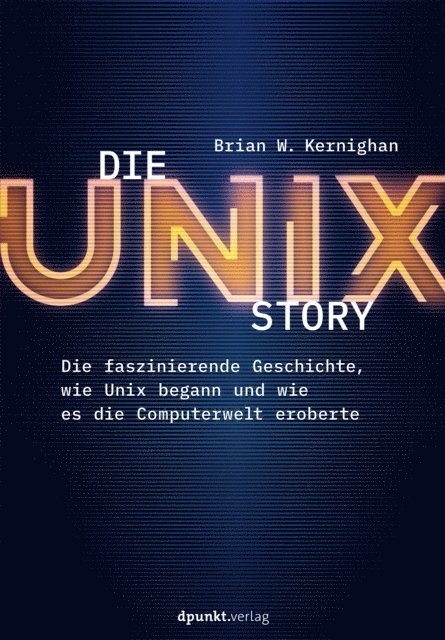
Die UNIX-Story
Die faszinierende Geschichte, wie Unix begann und wie es die Computerwelt eroberte
E-bok, 2020
226 kr
Lägg i varukorg
Ein Betriebssystem, das die IT-Welt am Laufen hält- Autor Brian Kernighan ist einer der Väter von UNIX- Mit vielen Geschichten von Weggenossen und IT-Veteranen- Ein Buch für UNIX-Fans, Nerds und IT-ProfisBrian W. Kernighan war in der Entwicklung von UNIX beteiligt. In diesem kurzen Band erzählt er …
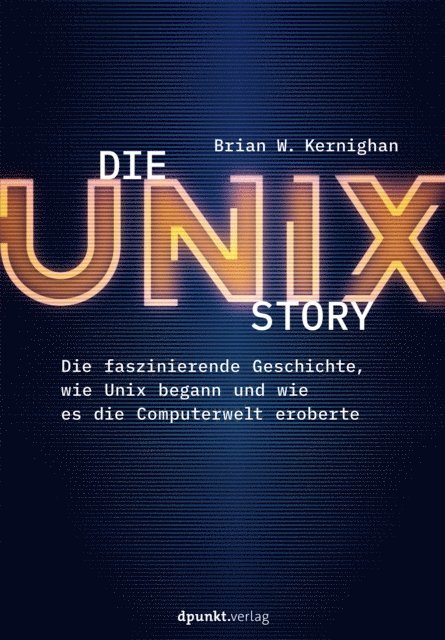
Die UNIX-Story
Die faszinierende Geschichte, wie Unix begann und wie es die Computerwelt eroberte
E-bok, 2020
226 kr
Lägg i varukorg
Ein Betriebssystem, das die IT-Welt am Laufen hält- Autor Brian Kernighan ist einer der Väter von UNIX- Mit vielen Geschichten von Weggenossen und IT-Veteranen- Ein Buch für UNIX-Fans, Nerds und IT-ProfisBrian W. Kernighan war in der Entwicklung von UNIX beteiligt. In diesem kurzen Band erzählt er …
Understanding the Digital World
What You Need to Know about Computers, the Internet, Privacy, and Security, Second Edition
Inbunden, 2021
1109 kr
Tillfälligt slut
A brand-new edition of the popular introductory textbook that explores how computer hardware, software, and networks workComputers are everywhere. Some are highly visible, in laptops, tablets, cell phones, and smart watches. But most are invisible, like those in appliances, cars, medical equipment, …