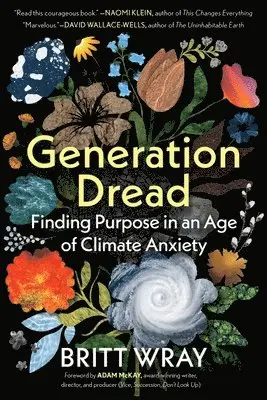
Britt Wray – författare
Visar alla böcker från författaren Britt Wray. Handla med fri frakt och snabb leverans.
6 produkter
6 produkter
E-bok
Engelska, 2022194 kr
Läs direkt efter köp
Häftad, Engelska, 2023
153 kr
Skickas inom 5-8 vardagar
Inbunden, Engelska, 2017
232 kr
Skickas inom 5-8 vardagar
Jurassic Park meets The Sixth Extinction in Rise of the Necrofauna, a provocative look at de-extinction from acclaimed documentarist and science writer Britt Wray.A captivating whirlwind tour through the birth and early life of the scientific idea known as "de-extinction."-Beth Shapiro, author of How to Clone a Mammoth: The Science of De-ExtinctionWhat happens when you try to recreate a woolly mammoth-fascinating science, or conservation catastrophe?In Rise of the Necrofauna, Wray takes us deep into the minds and labs of some of the world's most progressive thinkers to find out. She introduces us to renowned futurists like Stewart Brand and scientists like George Church, who are harnessing the powers of CRISPR gene editing in the hopes of "reviving" extinct passenger pigeons, woolly mammoths, and heath hens. She speaks with Nikita Zimov, who together with his eclectic father Sergey, is creating Siberia's Pleistocene Park-a daring attempt to rebuild the mammoth's ancient ecosystem in order to save earth from climate disaster. Through interviews with these and other thought leaders, Wray reveals the many incredible opportunities for research and conservation made possible by this emerging new field.But we also hear from more cautionary voices, like those of researcher and award-winning author Beth Shapiro (How to Clone a Woolly Mammoth) and environmental philosopher Thomas van Dooren. Writing with passion and perspective, Wray delves into the larger questions that come with this incredible new science, reminding us that de-extinction could bring just as many dangers as it does possibilities. What happens, for example, when we bring an "unextinct" creature back into the wild? How can we care for these strange animals and ensure their comfort and safety-not to mention our own? And what does de-extinction mean for those species that are currently endangered? Is it really ethical to bring back an extinct passenger pigeon, for example, when countless other birds today will face the same fate?By unpacking the many biological, technological, ethical, environmental, and legal questions raised by this fascinating new field, Wray offers a captivating look at the best and worst of resurrection science.Published in partnership with the David Suzuki Institute.
Häftad, Engelska, 2019
156 kr
Skickas inom 5-8 vardagar
NAMED ONE OF THE BEST BOOKS OF THE YEAR by The New Yorker and Science News What happens when you try to recreate a woolly mammoth—fascinating science, or conservation catastrophe? Jurassic Park meets The Sixth Extinction in Rise of the Necrofauna, a provocative look at de-extinction from acclaimed documentarist and science writer Britt Wray, PhD.In Rise of the Necrofauna, Wray takes us deep into the minds and labs of some of the world’s most progressive thinkers to find out. She introduces us to renowned futurists like Stewart Brand and scientists like George Church, who are harnessing the powers of CRISPR gene editing in the hopes of “reviving” extinct passenger pigeons, woolly mammoths, and heath hens. She speaks with Nikita Zimov, who together with his eclectic father Sergey, is creating Siberia’s Pleistocene Park—a daring attempt to rebuild the mammoth’s ancient ecosystem in order to save earth from climate disaster. Through interviews with these and other thought leaders, Wray reveals the many incredible opportunities for research and conservation made possible by this emerging new field.But we also hear from more cautionary voices, like those of researcher and award-winning author Beth Shapiro (How to Clone a Woolly Mammoth) and environmental philosopher Thomas van Dooren. Writing with passion and perspective, Wray delves into the larger questions that come with this incredible new science, reminding us that de-extinction could bring just as many dangers as it does possibilities. What happens, for example, when we bring an “unextinct” creature back into the wild? How can we care for these strange animals and ensure their comfort and safety—not to mention our own? And what does de-extinction mean for those species that are currently endangered? Is it really ethical to bring back an extinct passenger pigeon, for example, when countless other birds today will face the same fate?By unpacking the many biological, technological, ethical, environmental, and legal questions raised by this fascinating new field, Wray offers a captivating look at the best and worst of resurrection science.Published in Partnership with the David Suzuki Institute.
Häftad, Engelska, 2023
245 kr
Skickas inom 3-6 vardagar
E-bok
Tyska, 2018211 kr
Läs direkt efter köp
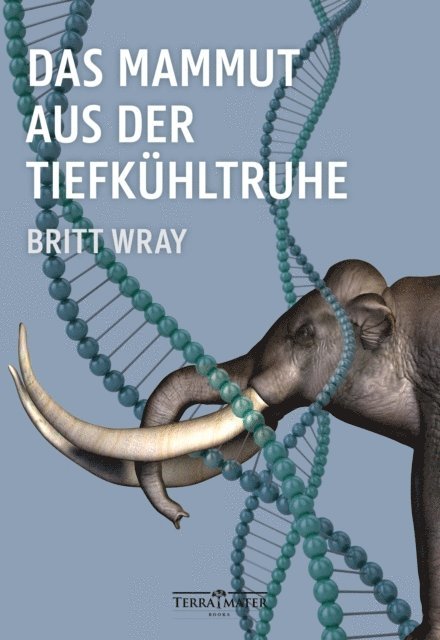
Die Life Sciences haben fast alle Antworten auf die Fragen des LebensGenetiker sind heute in der Lage, nahezu jeden Organismus im Labor herzustellen. Und daher ist es möglich, ausgestorbene Arten wieder zum Leben zu erwecken. Schon ein kleiner Funke DNA genügt. Aber – ist das sinnvoll? Muss die Wissenschaft alles, nur weil sie es kann?Die Grundfragen von Mensch und Wissenschaft als unterhaltsames und inspirierendes Leseerlebnis. Nie zuvor in der Geschichte wusste der Mensch mehr über den Bauplan des Lebens im Allgemeinen und der individuellen genetischen Ausrüstung von Individuen und Spezies, genannt Genom, im Besonderen. Der Mensch weiß so viel darüber und hat die Biotechnologie so weit entwickelt, dass er sich gottgleich zum Schöpfer neuer Spezies hochschwingen oder verschwundene Arten wieder zum Leben erwecken kann.Britt Wray erstellt eine Chronologie der genetischen Erkenntnisse, amüsiert mit Anekdoten der damit verbundenen Weltanschauungen und stellt letztlich auf unterhaltsame Weise die Frage aller Fragen: Müssen wir, nur weil wir können?