Brittany Utting – Författare
Visar alla böcker från författaren Brittany Utting. Handla med fri frakt och snabb leverans.
3 produkter
3 produkter
595 kr
Skickas inom 10-15 vardagar
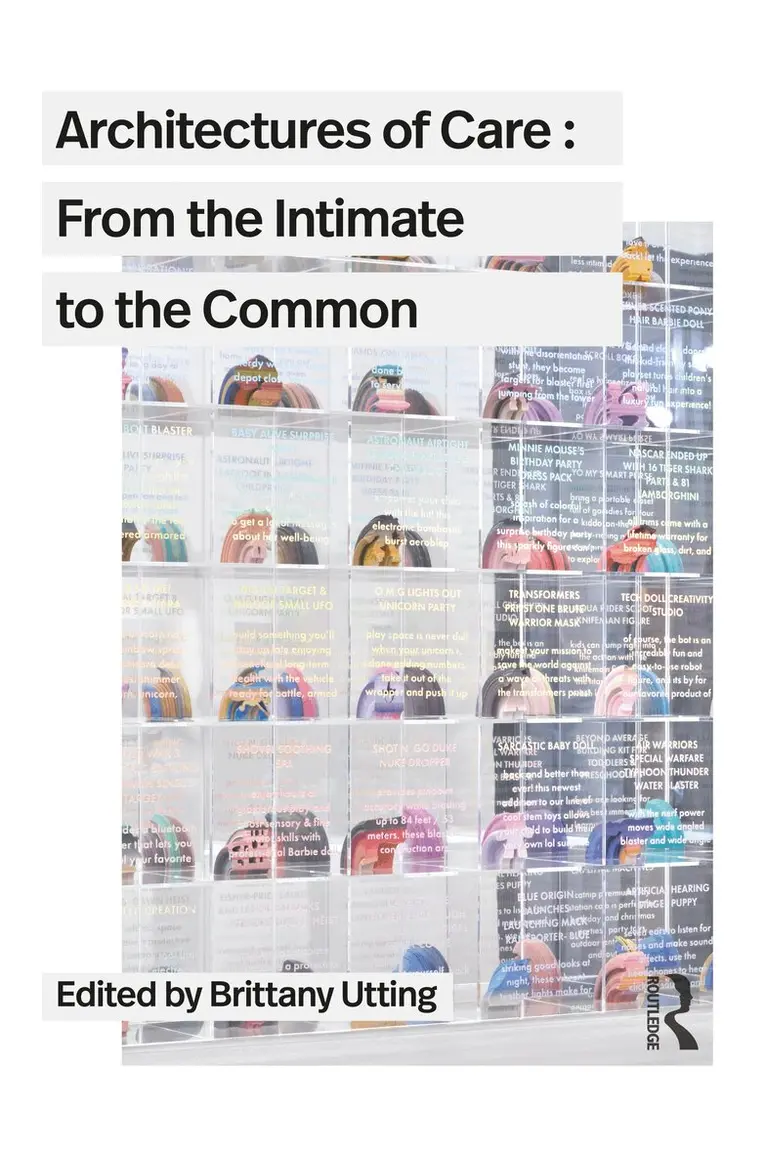
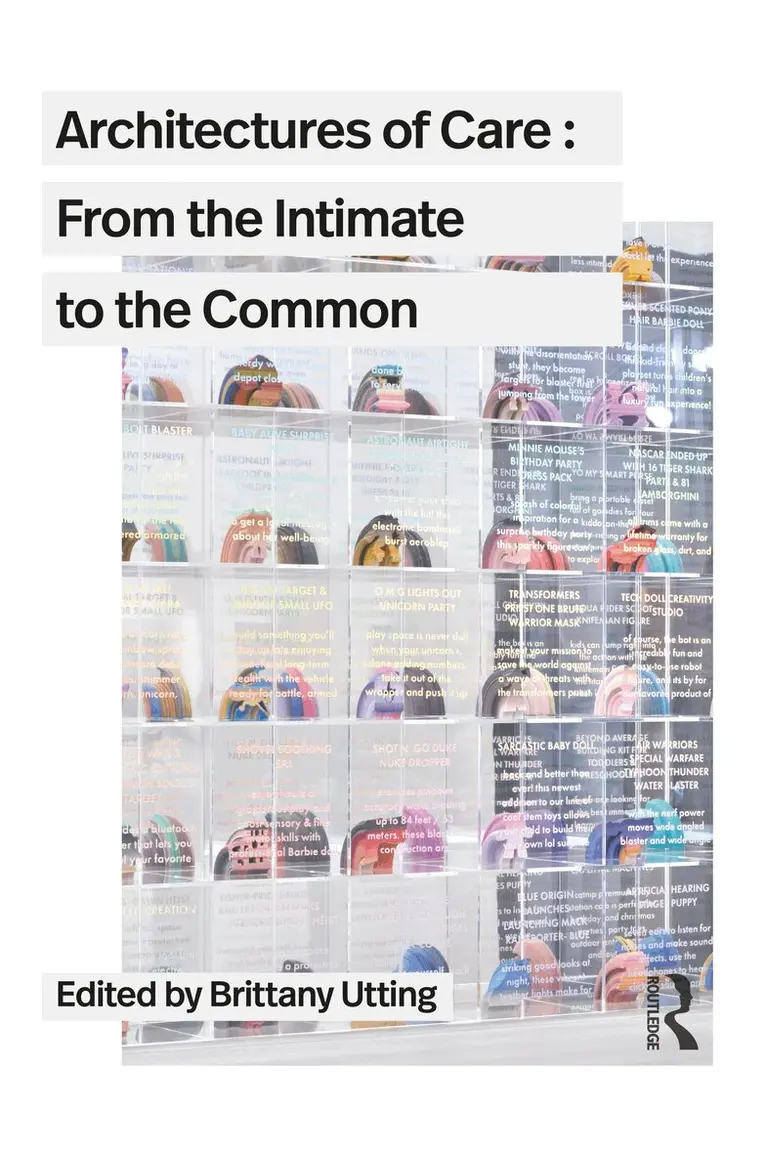
Drawing from a diverse range of interdisciplinary voices, this book explores how spaces of care shape our affective, material, and social forms, from the most intimate scale of the body to our planetary commons.Typical definitions of care center around the maintenance of a livable life, encompassing everything from shelter and welfare to health and safety. Architecture plays a fundamental role in these definitions, inscribed in institutional archetypes such as the home, the hospital, the school, and the nursery. However, these spaces often structure modes of care that prescribe gender roles, bodily norms, and labor practices. How can architecture instead engage with an expanded definition of care that questions such roles and norms, producing more hybrid entanglements between our bodies, our collective lives, and our environments? Chapters in this book explore issues ranging from disabled domesticities and nursing, unbuilding whiteness in the built environment, practices and pedagogies of environmental care, and the solidarity networks within ‘The Cloud’. Case studies include Floating University Berlin, commoning initiatives by the Black Panther party, and hospitals for the United Mine Workers of America, among many other sites and scales of care.Exploring architecture through the lenses of gender studies, labor theory, environmental justice, and the medical humanities, this book will engage students and academics from a wide range of disciplines.
2 176 kr
Skickas inom 10-15 vardagar
Drawing from a diverse range of interdisciplinary voices, this book explores how spaces of care shape our affective, material, and social forms, from the most intimate scale of the body to our planetary commons.Typical definitions of care center around the maintenance of a livable life, encompassing everything from shelter and welfare to health and safety. Architecture plays a fundamental role in these definitions, inscribed in institutional archetypes such as the home, the hospital, the school, and the nursery. However, these spaces often structure modes of care that prescribe gender roles, bodily norms, and labor practices. How can architecture instead engage with an expanded definition of care that questions such roles and norms, producing more hybrid entanglements between our bodies, our collective lives, and our environments? Chapters in this book explore issues ranging from disabled domesticities and nursing, unbuilding whiteness in the built environment, practices and pedagogies of environmental care, and the solidarity networks within ‘The Cloud’. Case studies include Floating University Berlin, commoning initiatives by the Black Panther party, and hospitals for the United Mine Workers of America, among many other sites and scales of care.Exploring architecture through the lenses of gender studies, labor theory, environmental justice, and the medical humanities, this book will engage students and academics from a wide range of disciplines.
306 kr
Skickas inom 7-10 vardagar
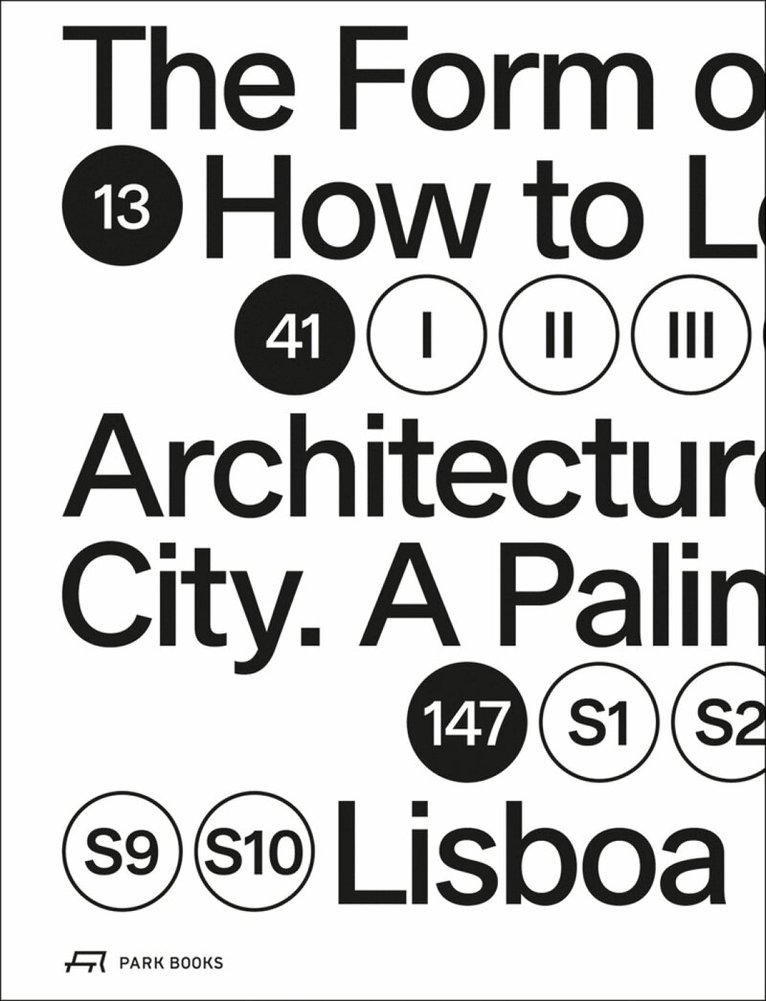
Since 2014, CARTHA has provided a platform for critical thinking on architecture and society. Each year, CARTHA initiates research and publishes issues on a topic in its online magazine, which are then brought together in an annual book.In 2016, CARTHA was invited to participate in the Lisbon Architecture Triennale. Adopting the Triennale's topic, 'The Form of Form', the three issues that comprise CARTHA on the Form of Form explore the topic of form through different, yet complementary, lenses. The first issue, How to Learn Better, was edited by Bureau A and discusses pedagogical approaches to architecture. The second issue, The Architecture of the City: A Palimpsest, edited by Victoria Easton, Matilde Cassani, and Noura Al Sayeh, revisits and reinterprets Aldo Rossi's writings on the form of the city. Published during the Triennale, the third issue, Lisboa Paralela, was edited by the CARTHA editorial board and expands on urban forms by questioning the status quo of natural and social laws and speculating on these through essays and a design exercise by some of the most interesting voices of the current architectural scene.