Brock Bingaman – författare
Visar alla böcker från författaren Brock Bingaman. Handla med fri frakt och snabb leverans.
11 produkter
11 produkter
Inbunden, Engelska, 2012
1 904 kr
Skickas inom 5-8 vardagar
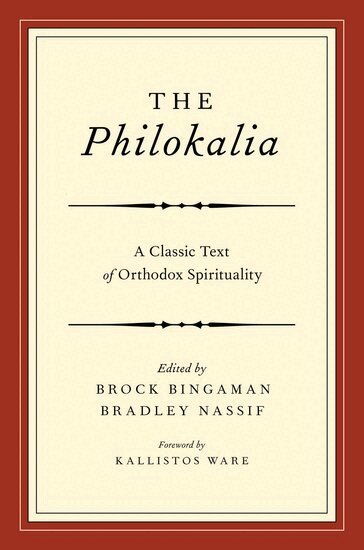
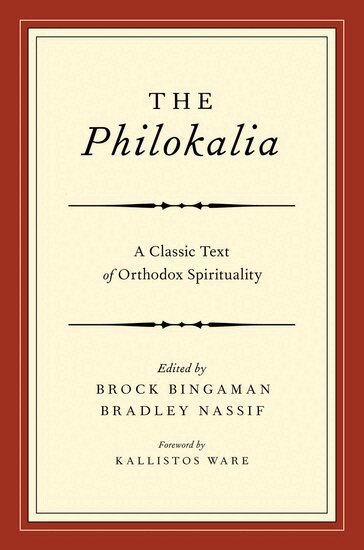
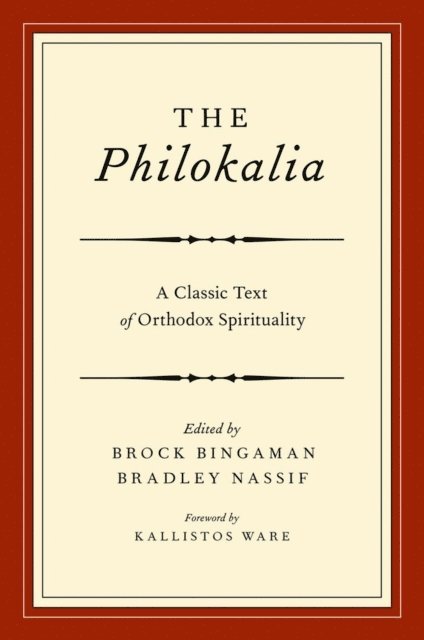
The Philokalia (literally "love of the beautiful") is, after the Bible, the most influential source of spiritual tradition within the Orthodox Church. First published in Greek in 1782 by St. Nicodemos of the Holy Mountain and St. Macarios of Corinth, the Philokalia includes works by thirty-six influential Orthodox authors such as Maximus the Confessor, Peter of Madascus, Symeon the New Theologian, and Gregory Palamas. Surprisingly, this important collection of theological and spiritual writings has received little scholarly attention. With the growing interest in Orthodox theology, the need for a substantive resource for Philokalic studies has become increasingly evident. The purpose of the present volume is to remedy that lack by providing an ecumenical collection of scholarly essays on the Philokalia that will introduce readers to its background, motifs, authors, and relevance for contemporary life and thought.
Häftad, Engelska, 2012
529 kr
Skickas inom 5-8 vardagar
The Philokalia (literally "love of the beautiful") is, after the Bible, the most influential source of spiritual tradition within the Orthodox Church. First published in Greek in 1782 by St. Nicodemos of the Holy Mountain and St. Macarios of Corinth, the Philokalia includes works by thirty-six influential Orthodox authors such as Maximus the Confessor, Peter of Madascus, Symeon the New Theologian, and Gregory Palamas. Surprisingly, this important collection of theological and spiritual writings has received little scholarly attention. With the growing interest in Orthodox theology, the need for a substantive resource for Philokalic studies has become increasingly evident. The purpose of the present volume is to remedy that lack by providing an ecumenical collection of scholarly essays on the Philokalia that will introduce readers to its background, motifs, authors, and relevance for contemporary life and thought.
E-bok
PDF, Engelska, 2012596 kr
Läs direkt efter köp
The Philokalia (literally "love of the beautiful or good") is, after the Bible, the most influential source of spiritual tradition within the Orthodox Church. First published in Greek in 1782 by St. Nicodemos of the Holy Mountain and St. Macarios of Corinth, the Philokalia includes works by thirty-six influential Orthodox authors from the fourth to fifteenth-centuries such as Maximus the Confessor, Peter of Damascus, Symeon the New Theologian, and Gregory Palamas. Surprisingly, this important collection of theological and spiritual writings has received little scholarly attention. With the growing interest in Orthodox theology, the need for a substantive resource for philokalic studies has become increasingly evident. The purpose of the present volume is to remedy that lack by providing an ecumenical collection of scholarly essays on the Philokalia that will introduce readers to its background, motifs, authors, and relevance for contemporary life and thought.
E-bok
Engelska, 2012617 kr
Läs direkt efter köp
The Philokalia (literally "love of the beautiful or good") is, after the Bible, the most influential source of spiritual tradition within the Orthodox Church. First published in Greek in 1782 by St. Nicodemos of the Holy Mountain and St. Macarios of Corinth, the Philokalia includes works by thirty-six influential Orthodox authors from the fourth to fifteenth-centuries such as Maximus the Confessor, Peter of Damascus, Symeon the New Theologian, and Gregory Palamas. Surprisingly, this important collection of theological and spiritual writings has received little scholarly attention. With the growing interest in Orthodox theology, the need for a substantive resource for philokalic studies has become increasingly evident. The purpose of the present volume is to remedy that lack by providing an ecumenical collection of scholarly essays on the Philokalia that will introduce readers to its background, motifs, authors, and relevance for contemporary life and thought.
Häftad, Engelska, 2015
293 kr
Skickas inom 5-8 vardagar
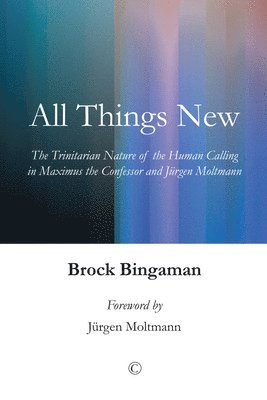
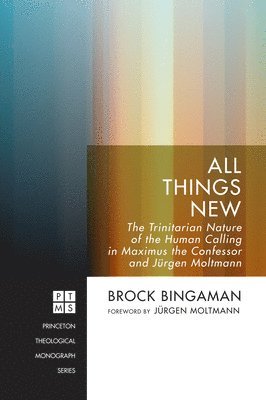
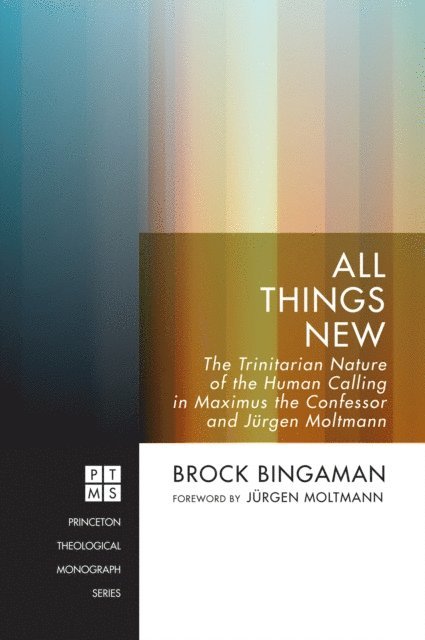
For both Maximus the Confessor (c. 580-662) and Jurgen Moltmann (b. 1926) understanding what it means to be human springs from a contemplative vision of God. This comparative study explores surprising parallels between the theological anthropology of the seventh-century Byzantine monk and the contemporary German Protestant. Bingaman shows that Maximus and Moltmann root their understanding of the human calling in their Trinitarian and christological reflection, in contrast to many modern theologies that tend to devise an account of human being first, and then try to find ways in which Christ and the Trinity are somehow relevant to this human being.In this constructive work, Bingaman demonstrates the intrinsic connection between Maximus and Moltmann's views of human being, Christ and the Trinity, the church, and the human calling in creation. Illustrating the richness of these ancient and postmodern theologies in conversation, 'All Things New' lays out future trajectories in theological anthropology, patristic ressourcement, ecologically attuned theology and spirituality, and Orthodox-Protestant dialogue.
Inbunden, Engelska, 2014
439 kr
Skickas inom 5-8 vardagar
Häftad, Engelska, 2021
285 kr
Skickas inom 5-8 vardagar
E-bok
Engelska, 2020325 kr
Läs direkt efter köp
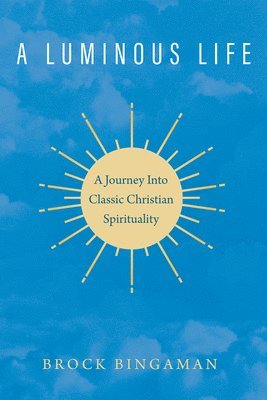
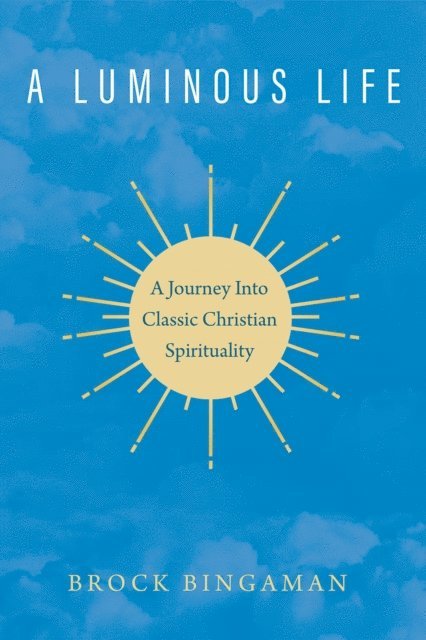
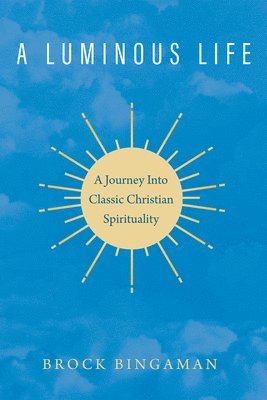
In a culture intrigued by various forms of "e;spirituality,"e; this study invites readers to explore the deep, historically rooted resources of the Christian spiritual classics. It is an invitation to seek the transformative presence of God - the kingdom of God within our hearts - through the spiritual classics. These classics, formed in the matrix of meditation on Scripture, are like road maps that provide invaluable wisdom and guidance for the spiritual journey. Illustrating the importance of theologically grounded spirituality, A Luminous Life draws from Catholic, Orthodox, and Protestant classics that stem from rich trinitarian and christological reflection. This book explores key themes in the spiritual classics, including biblical images and historical models of spiritual development, prayer, fasting, solitude and community, the cross and suffering, the desert, spiritual direction, and contemplation and action. This study seeks to bridge the academic and ecclesial, demonstrating that the life of the mind and life in the Spirit are unified, that theological reflection and spiritual formation go together. Considering exemplary writings from diverse traditions, such as the Desert Fathers, Maximus the Confessor, Teresa of Avila, and John Calvin, A Luminous Life draws readers into worshipful reflection on God and formation in Christ. The book concludes with the encouragement to ongoing, prayerful study of the spiritual classics: as fuel for the luminous life.
Inbunden, Engelska, 2021
450 kr
Skickas inom 5-8 vardagar
Häftad, Engelska, 2014
276 kr
Skickas inom 5-8 vardagar
E-bok
Engelska, 2014438 kr
Läs direkt efter köp
For both Maximus the Confessor (c. 580-662) and Jurgen Moltmann (b. 1926), understanding what it means to be human springs from a contemplative vision of God. This comparative study explores surprising parallels between the theological anthropology of the seventh-century Byzantine monk and the contemporary German Protestant. Bingaman argues that Maximus and Moltmann root their understanding of the human calling in their Trinitarian and christological reflection, in contrast to many modern theologies that tend to devise an account of human being first, and then try to find ways in which Christ and the Trinity are somehow relevant to this human being.In this constructive work, Bingaman demonstrates the intrinsic connection between Maximus'' and Moltmann''s views of human being, Christ and the Trinity, the church, and the human calling in creation. Illustrating the richness of these ancient and postmodern theologies in conversation, All Things New lays out future trajectories in theological anthropology, patristic ressourcement, ecologically attuned theology and spirituality, and Orthodox-Protestant dialogue.