Bruce Mansfield – författare
Visar alla böcker från författaren Bruce Mansfield. Handla med fri frakt och snabb leverans.
2 produkter
2 produkter
E-bok
PDF, Engelska, 20031 268 kr
Läs direkt efter köp
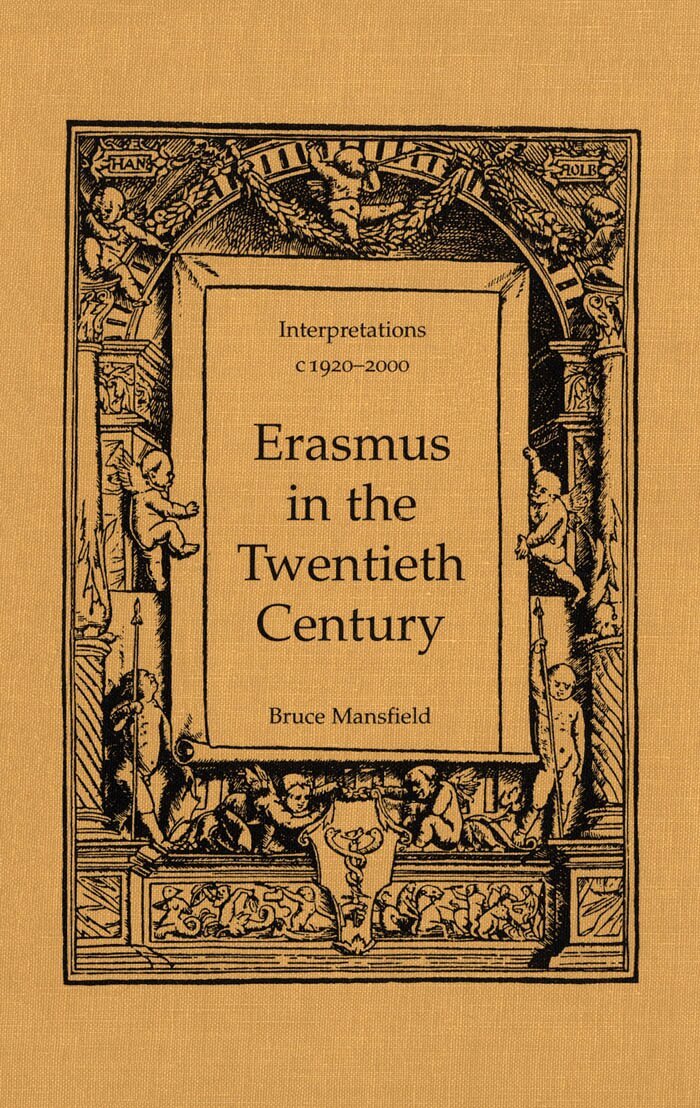
Erasmus of Rotterdam is perhaps one of the most studied and published literary figures and religious thinkers; yet despite the lavish amount of attention paid to him and his work, scholarly opinion of his intellectual and historical importance is varied and ambiguous. Bruce Mansfield shows how shifting interpretations and changing critical regard for Erasmus and his work reflect cultural shifts of the last century.Placing the development of Erasmus studies in the context of religious changes as well as shifts in humanities scholarship throughout the century, Mansfield draws out several main themes: the increasing awareness of the seriousness of Erasmus' thought on religion and politics, the emergence of Erasmus as a serious religious, even theological, thinker (against the view that he was a shallow moralist) and a revival of interest in his place in the rhetorical tradition.Controversy nevertheless remains. The theological and rhetorical approaches have produced different results on how far Erasmus was an 'orthodox' thinker, differences that the influence of postmodernism may well enhance. Differences also remain over his personality. Above all, Mansfield shows that, despite highly impressive and convincing claims in the first half of the century, the extent and character of Erasmus' influence on his own and the following age remains an unresolved and divisive question.This is the final volume in Professor Mansfield's trilogy that examines Erasmus' reputation from his death to the present day. It follows on his earlier studies, Phoenix of His Age: Interpretations of Erasmus c. 1550-1750 (1979) and Man on His Own: Interpretations of Erasmus c. 1750-1920 (1992).
E-bok
PDF, Engelska, 19921 359 kr
Läs direkt efter köp
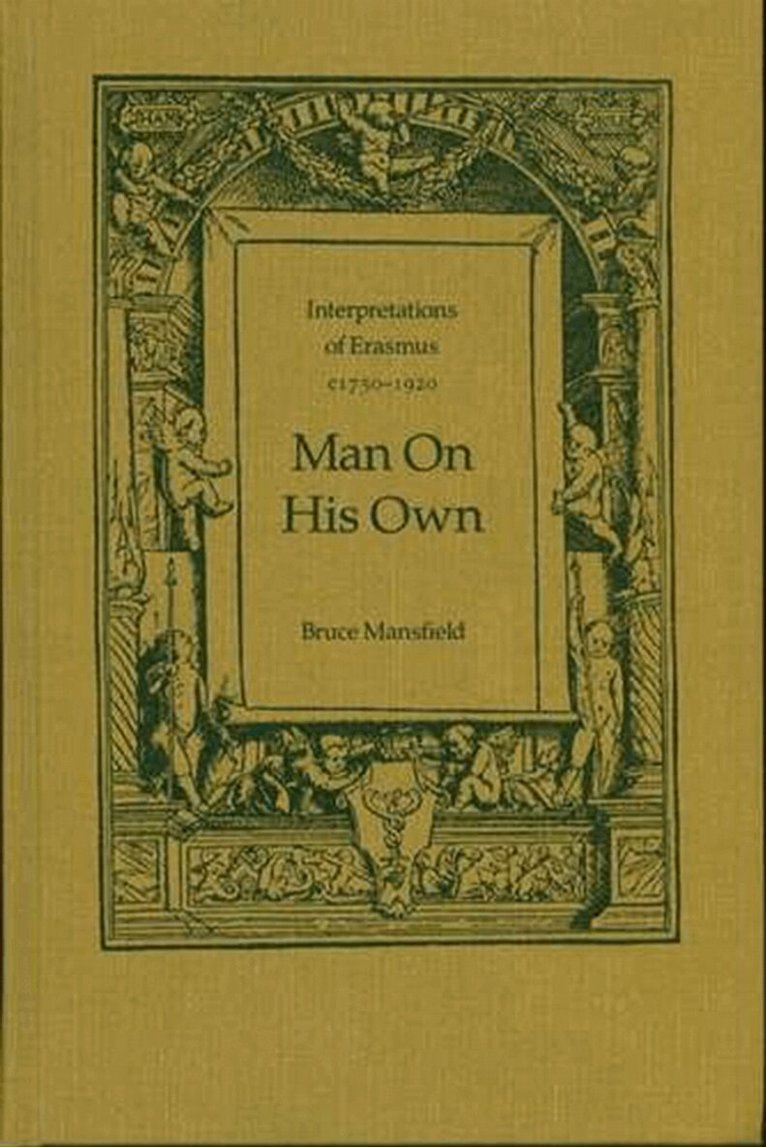
During his lifetime Erasmus was one of the most controversial figures of Renaissance and Reformation Europe. In the 450 years since his death his reputation has undergone a series of fluctuations that reflect the attitudes of successive periods in European, and eventually North American, theological and social thought.Mansfield aims to relate changing interpretations of Erasmus to the historical contexts and experiences of those who wrote about him. He explores the influences in turn of the Enlightenment, romanticism, religious revival, and the emergence of liberalism.In the twentieth century, Mansfield concludes, more modern ways of studying Erasmus have emerged, notably through seeing him more precisely in his own historical context. He argues, nevertheless, that the Enlightenment liberal interpretation of Erasmus remained the dominant one through the whole period, and that despite its weaknesses, it did succeed in revealing essential aspects of Erasmus as a historical personality.