Häftad, Engelska, 2011
295 kr
Skickas inom 5-8 vardagar
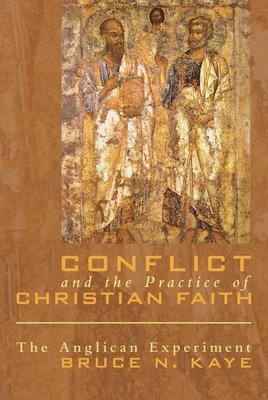
An analysis of the development of local traditions within the Anglican Communion, shedding light on issues of unity and diversity in the global Church.Anglicans around the world have responded to the gospel in many different cultural contexts. This has produced different customs and different ways of thinking about church issues. In the process of enculturation Anglicans have found themselves encountering social and political realities as malign forces against which they have had to struggle. As a consequence, the personal and local dynamic in Anglicanism has created not just diversity of custom and mental habits, but it has done so at points that have been vital to the way Anglicans have been committed to the gospel. Conflict and the Practice of Christian Faith looks at the process by which local traditions developed in Christianity and how these traditions have related to other sub-traditions of the universal church. It assesses some specifics of the Anglican experience and argues for a significant re-casting of some prominent elements of that tradition, at the same time clarifying some of the distinctive elements in the Anglican tradition. This leads to a more nuanced appreciation of the force of the social and political framework within which Anglicans have had to work out their salvation and of the different forms of secular society and different understandings of plurality and diversity. It also entails showing how the imperial route to catholicity took no firm root in Anglicanism. Going global has been a significant experiment in Anglican ecclesiology that is by no means over yet. The terms of that experiment lie at the heart of the current Anglican debates. The book will be of interest to Christians generally who belong to faith traditions spread across different cultures. It is also a case study of the issues of global reach and local tradition.