Bruno Leipold - Böcker
Visar alla böcker från författaren Bruno Leipold. Handla med fri frakt och snabb leverans.
3 produkter
3 produkter
1 396 kr
Skickas inom 5-8 vardagar
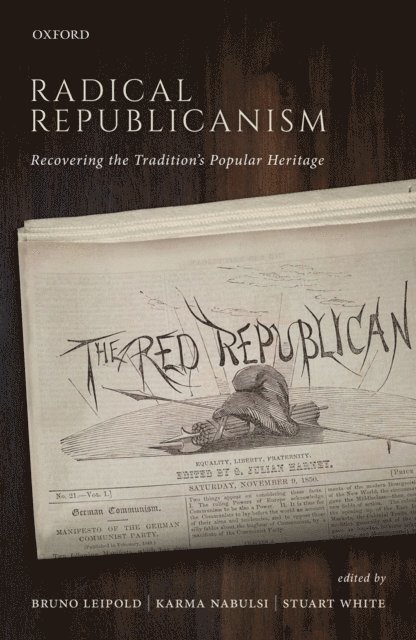
Republicanism is a powerful resource for emancipatory struggles against domination. Its commitment to popular sovereignty subverts justifications of authority, locating power in the hands of the citizenry who hold the capacity to create, transform, and maintain their political institutions. Republicanism's conception of freedom rejects social, political, and economic structures subordinating citizens to any uncontrolled power - from capitalism and wage-labour to patriarchy and imperialism. It views any such domination as inimical to republican freedom. Moreover, it combines a revolutionary commitment to overturning despotic and tyrannical regimes with the creation of political and economic institutions that realise the sovereignty of all citizens, institutions that are resilient to threats of oligarchical control. This volume is dedicated to retrieving and developing this radical potential, challenging the more conventional moderate conceptions of republicanism. It brings together scholars at the forefront of tracing this radical heritage of the republican tradition, and developing arguments, texts, and practices into a critical and emancipatory body of political and social thought. The volume spans historical discussions of the English Levellers, French and Ottoman revolutionaries, and American abolitionists and trade unionists; explorations of the radical republican aspects of the thought of Machiavelli, Marx, and Rousseau; and theoretical examinations of social domination and popular constitutionalism. It will appeal to political theorists, historians of political thought, and political activists interested in how republicanism provides a robust and successful radical transformation to existing social and political orders.
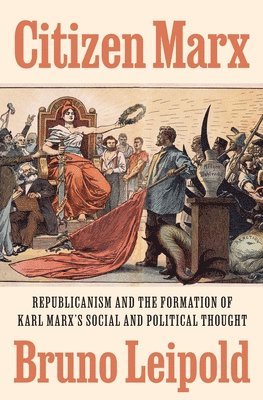
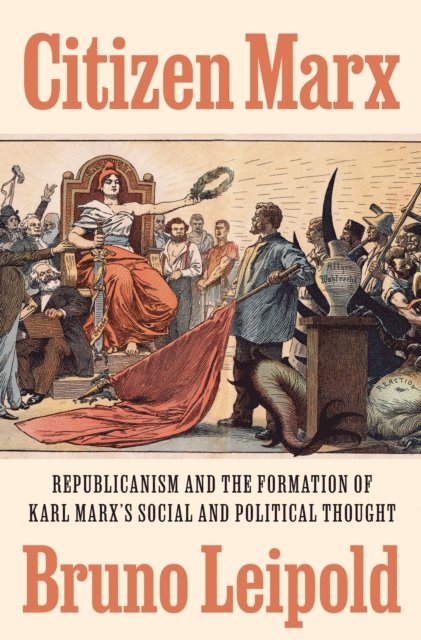
Citizen Marx
Republicanism and the Formation of Karl Marx’s Social and Political Thought
Inbunden, Engelska, 2024
327 kr
Skickas inom 7-10 vardagar
The first book to offer a comprehensive exploration of Marx’s relationship to republicanism, arguing that it is essential to understanding his thoughtIn Citizen Marx, Bruno Leipold argues that, contrary to certain interpretive commonplaces, Karl Marx’s thinking was deeply informed by republicanism. Marx’s relation to republicanism changed over the course of his life, but its complex influence on his thought cannot be reduced to wholesale adoption or rejection. Challenging common depictions of Marx that downplay or ignore his commitment to politics, democracy, and freedom, Leipold shows that Marx viewed democratic political institutions as crucial to overcoming the social unfreedom and domination of capitalism. One of Marx’s principal political values, Leipold contends, was a republican conception of freedom, according to which one is unfree when subjected to arbitrary power.Placing Marx’s republican communism in its historical context—but not consigning him to that context—Leipold traces Marx’s shifting relationship to republicanism across three broad periods. First, Marx began his political life as a republican committed to a democratic republic in which citizens held active popular sovereignty. Second, he transitioned to communism, criticizing republicanism but incorporating the republican opposition to arbitrary power into his social critiques. He argued that although a democratic republic was not sufficient for emancipation, it was necessary for it. Third, spurred by the events of the Paris Commune of 1871, he came to view popular control in representation and public administration as essential to the realization of communism. Leipold shows how Marx positioned his republican communism to displace both antipolitical socialism and anticommunist republicanism. One of Marx’s great contributions, Leipold suggests, was to place politics (and especially democratic politics) at the heart of socialism.
Citizen Marx
Republicanism and the Formation of Karl Marx’s Social and Political Thought
Häftad, Engelska, 2026
312 kr
Kommande
The first book to offer a comprehensive exploration of Marx’s relationship to republicanism, arguing that it is essential to understanding his thoughtIn Citizen Marx, Bruno Leipold argues that, contrary to certain interpretive commonplaces, Karl Marx’s thinking was deeply informed by republicanism. Marx’s relation to republicanism changed over the course of his life, but its complex influence on his thought cannot be reduced to wholesale adoption or rejection. Challenging common depictions of Marx that downplay or ignore his commitment to politics, democracy, and freedom, Leipold shows that Marx viewed democratic political institutions as crucial to overcoming the social unfreedom and domination of capitalism. One of Marx’s principal political values, Leipold contends, was a republican conception of freedom, according to which one is unfree when subjected to arbitrary power.Placing Marx’s republican communism in its historical context—but not consigning him to that context—Leipold traces Marx’s shifting relationship to republicanism across three broad periods. First, Marx began his political life as a republican committed to a democratic republic in which citizens held active popular sovereignty. Second, he transitioned to communism, criticizing republicanism but incorporating the republican opposition to arbitrary power into his social critiques. He argued that although a democratic republic was not sufficient for emancipation, it was necessary for it. Third, spurred by the events of the Paris Commune of 1871, he came to view popular control in representation and public administration as essential to the realization of communism. Leipold shows how Marx positioned his republican communism to displace both antipolitical socialism and anticommunist republicanism. One of Marx’s great contributions, Leipold suggests, was to place politics (and especially democratic politics) at the heart of socialism.