Bryan Jones – författare
Visar alla böcker från författaren Bryan Jones. Handla med fri frakt och snabb leverans.
13 produkter
13 produkter
Inbunden, Engelska, 2025
301 kr
Skickas inom 5-8 vardagar
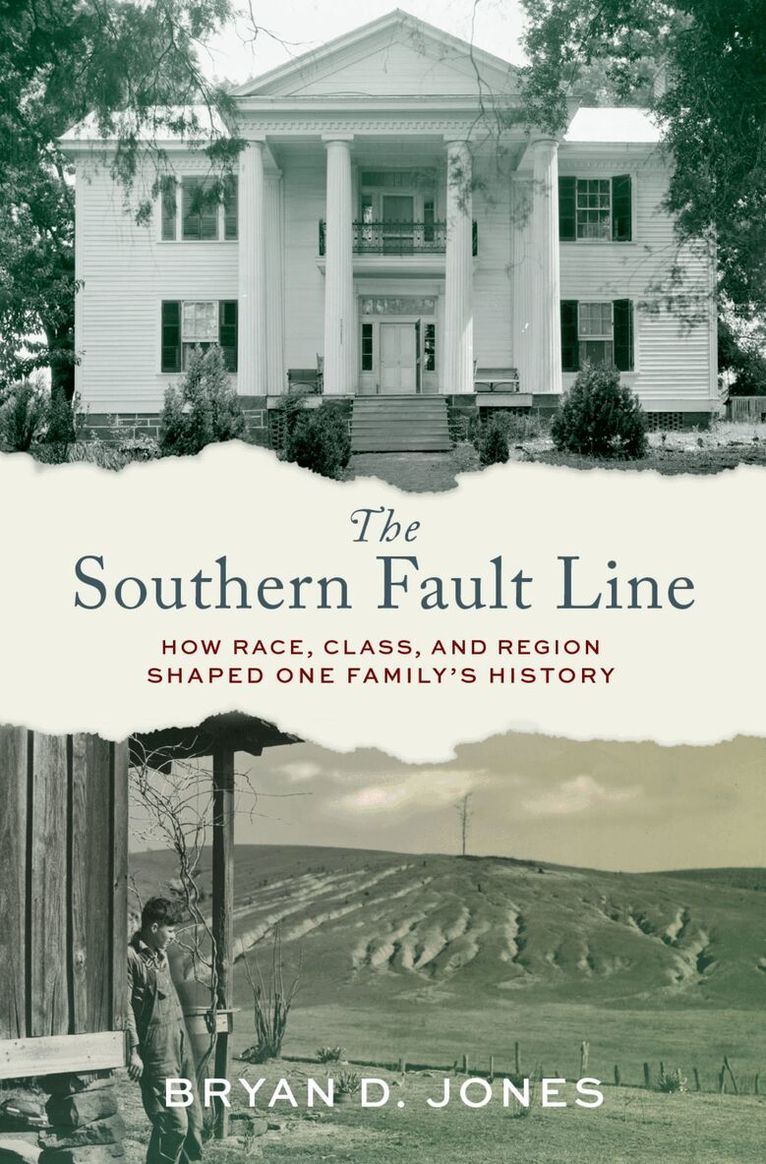
A highly original reinterpretation of how race and class shaped the entirety of Southern history through the experience of four interconnected family lines. The Southern Fault Line explores the under-appreciated division in the South between the oligarchic rule of plantation owners and industrialists on the one hand, and the more democratic mindset of the mountain-dwelling small farmers on the other. These two mindsets were in continual tension from the 1800s to the 1960s, when the adherents of the more democratic side of the struggle capitulated to the oligarchical side in response to the Civil Rights movement.Bryan Jones draws from his own family's centuries-old history in the region to explore the rise and fall of the "two minds" of the South. Through a comparison of the experiences of a slaveholding line in his family with three non-slaveholding lines, Jones provides a rich history of the politics of both class and race in the region from the Founding era to the present. The slaveholding side of his family settled in Black Belt Alabama, while ancestral members of the other side of his family were poorer uplanders. In the 1890s, the latter supported the burgeoning populist movement, which for a short window of time tried to unite poor Blacks and poor whites against the patrician planter class and industrialists. After a series of close elections, the planter class was able to stanch the populist tide. They did this in large part by sowing racial division among populism's supporters. Indeed, one of Jones' ancestors helped draft the 1901 Alabama constitution that made Jim Crow the law of the state. Throughout, Jones shows how deep the political differences were between the two regions, with oligarchy characterizing the slaveholding region and a more democratic ethos shaping the non-slaveholding areas. Jones serves as the final observer, a white boy observing not only the demise of the Jim Crow South, but--in the wake of the Civil Rights movement--the demise of the mountain democratic South as well. Today, the vast majority of Southern whites regardless of class support an oligarchical Republican Party.
E-bok
PDF, Engelska, 2025310 kr
Läs direkt efter köp
A highly original reinterpretation of how race and class shaped the entirety of Southern history through the experience of four interconnected family lines. The Southern Fault Line explores the under-appreciated division in the South between the oligarchic rule of plantation owners and industrialists on the one hand, and the more democratic mindset of the mountain-dwelling small farmers on the other. These two mindsets were in continual tension from the 1800s to the 1960s, when the adherents of the more democratic side of the struggle capitulated to the oligarchical side in response to the Civil Rights movement. Bryan Jones draws from his own family's centuries-old history in the region to explore the rise and fall of the "e;two minds"e; of the South. Through a comparison of the experiences of a slaveholding line in his family with three non-slaveholding lines, Jones provides a rich history of the politics of both class and race in the region from the Founding era to the present. The slaveholding side of his family settled in Black Belt Alabama, while ancestral members of the other side of his family were poorer uplanders. In the 1890s, the latter supported the burgeoning populist movement, which for a short window of time tried to unite poor Blacks and poor whites against the patrician planter class and industrialists. After a series of close elections, the planter class was able to stanch the populist tide. They did this in large part by sowing racial division among populism's supporters. Indeed, one of Jones' ancestors helped draft the 1901 Alabama constitution that made Jim Crow the law of the state. Throughout, Jones shows how deep the political differences were between the two regions, with oligarchy characterizing the slaveholding region and a more democratic ethos shaping the non-slaveholding areas. Jones serves as the final observer, a white boy observing not only the demise of the Jim Crow South, but--in the wake of the Civil Rights movement--the demise of the mountain democratic South as well. Today, the vast majority of Southern whites regardless of class support an oligarchical Republican Party.
E-bok
Engelska, 2025310 kr
Läs direkt efter köp
A highly original reinterpretation of how race and class shaped the entirety of Southern history through the experience of four interconnected family lines. The Southern Fault Line explores the under-appreciated division in the South between the oligarchic rule of plantation owners and industrialists on the one hand, and the more democratic mindset of the mountain-dwelling small farmers on the other. These two mindsets were in continual tension from the 1800s to the 1960s, when the adherents of the more democratic side of the struggle capitulated to the oligarchical side in response to the Civil Rights movement. Bryan Jones draws from his own family's centuries-old history in the region to explore the rise and fall of the "e;two minds"e; of the South. Through a comparison of the experiences of a slaveholding line in his family with three non-slaveholding lines, Jones provides a rich history of the politics of both class and race in the region from the Founding era to the present. The slaveholding side of his family settled in Black Belt Alabama, while ancestral members of the other side of his family were poorer uplanders. In the 1890s, the latter supported the burgeoning populist movement, which for a short window of time tried to unite poor Blacks and poor whites against the patrician planter class and industrialists. After a series of close elections, the planter class was able to stanch the populist tide. They did this in large part by sowing racial division among populism's supporters. Indeed, one of Jones' ancestors helped draft the 1901 Alabama constitution that made Jim Crow the law of the state. Throughout, Jones shows how deep the political differences were between the two regions, with oligarchy characterizing the slaveholding region and a more democratic ethos shaping the non-slaveholding areas. Jones serves as the final observer, a white boy observing not only the demise of the Jim Crow South, but--in the wake of the Civil Rights movement--the demise of the mountain democratic South as well. Today, the vast majority of Southern whites regardless of class support an oligarchical Republican Party.
Häftad, Engelska, 2014
201 kr
Skickas inom 5-8 vardagar
E-bok
Engelska, 2021471 kr
Läs direkt efter köp
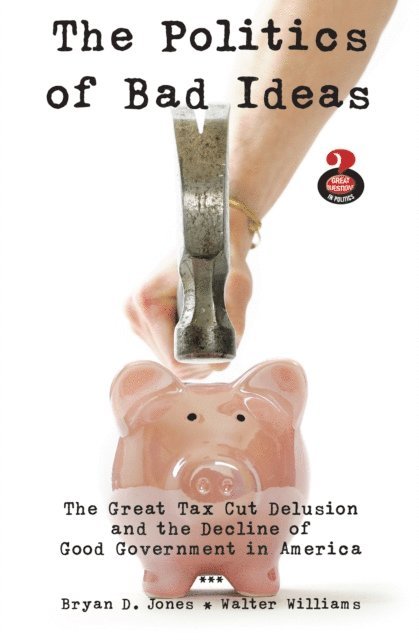
This highly anticipated addition to the "Great Questions in Politics" series offers a provocative argument about the persistence of bad ideas in shaping American economic policy. The result of a collaboration between political scientist Bryan D. Jones and economist Walter Williams, The Politics of Bad Ideas is indispensable reading for any study of American government, public policy, or economic and budgetary analysis. The Politics of Bad Ideas examines why, over the last quarter century, bad economic ideas -- such as cutting taxes without cutting spending -- have become so influential in shaping government policies. Using in-depth research and trenchant political and economic analysis, the book explores why those bad ideas continue to survive despite overwhelming evidence that they in fact cause damage to the federal government''s long-term fiscal stability and the American economy.
E-bok
PDF, Engelska, 2021471 kr
Läs direkt efter köp
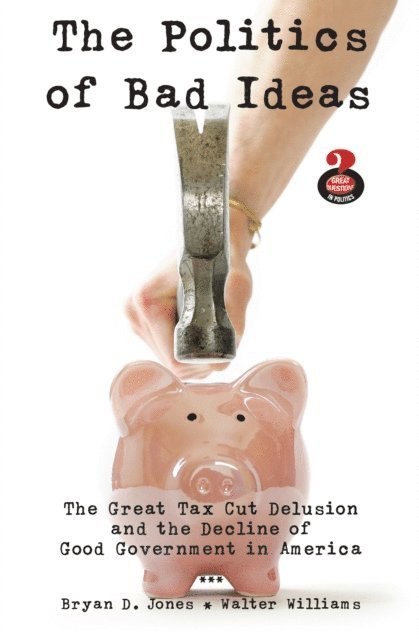
This highly anticipated addition to the "Great Questions in Politics" series offers a provocative argument about the persistence of bad ideas in shaping American economic policy. The result of a collaboration between political scientist Bryan D. Jones and economist Walter Williams, The Politics of Bad Ideas is indispensable reading for any study of American government, public policy, or economic and budgetary analysis. The Politics of Bad Ideas examines why, over the last quarter century, bad economic ideas -- such as cutting taxes without cutting spending -- have become so influential in shaping government policies. Using in-depth research and trenchant political and economic analysis, the book explores why those bad ideas continue to survive despite overwhelming evidence that they in fact cause damage to the federal government''s long-term fiscal stability and the American economy.
Häftad, Engelska, 2001
422 kr
Skickas inom 5-8 vardagar
Häftad, Engelska, 2026
226 kr
Skickas inom 5-8 vardagar
Inbunden, Engelska, 2026
318 kr
Skickas inom 5-8 vardagar
Häftad, Engelska, 2013
1 711 kr
Skickas inom 5-8 vardagar
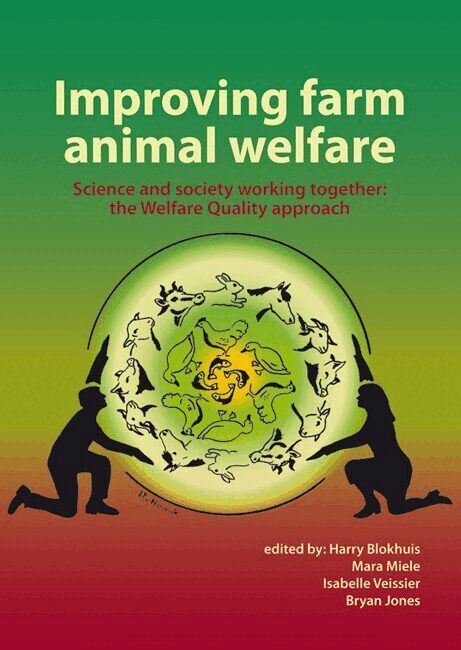
How do you define the quality of life of a farmed animal? This timely book addresses the complex and often controversial issues surrounding the assessment and improvement of farm animal welfare. Based on a large, multi-disciplinary EU funded research project called Welfare Quality, it discusses the relevance of science based welfare assessments and the importance of establishing a fruitful dialogue between science and society. An outline is given of the development of a workable welfare assessment system for cattle, pigs and chickens as well as practical ways of improving the animals' quality of life.This book synthesises the huge body of work carried out by the largest ever international network of scientists and stakeholders in Welfare Quality. It describes some of the obstacles encountered and their solution and why particular paths were chosen. It also clearly sets out what still needs to be done and presents selected strategies and technologies (automation, proxy indicators, targeting of risk factors, etc.) designed to ensure the continued improvement of welfare and its assessment.The book provides a valuable source of knowledge on farm animal welfare for social and animal scientists, students, teachers, policy makers, lobby groups and the animal industry.
Häftad, Engelska, 2026
189 kr
Skickas inom 5-8 vardagar
Häftad, Engelska, 2025
213 kr
Skickas inom 5-8 vardagar
Häftad, Engelska, 2025
224 kr
Skickas inom 5-8 vardagar