Burkhardt Funk – författare
Visar alla böcker från författaren Burkhardt Funk. Handla med fri frakt och snabb leverans.
9 produkter
9 produkter
Inbunden, Engelska, 2017
1 903 kr
Skickas inom 10-15 vardagar
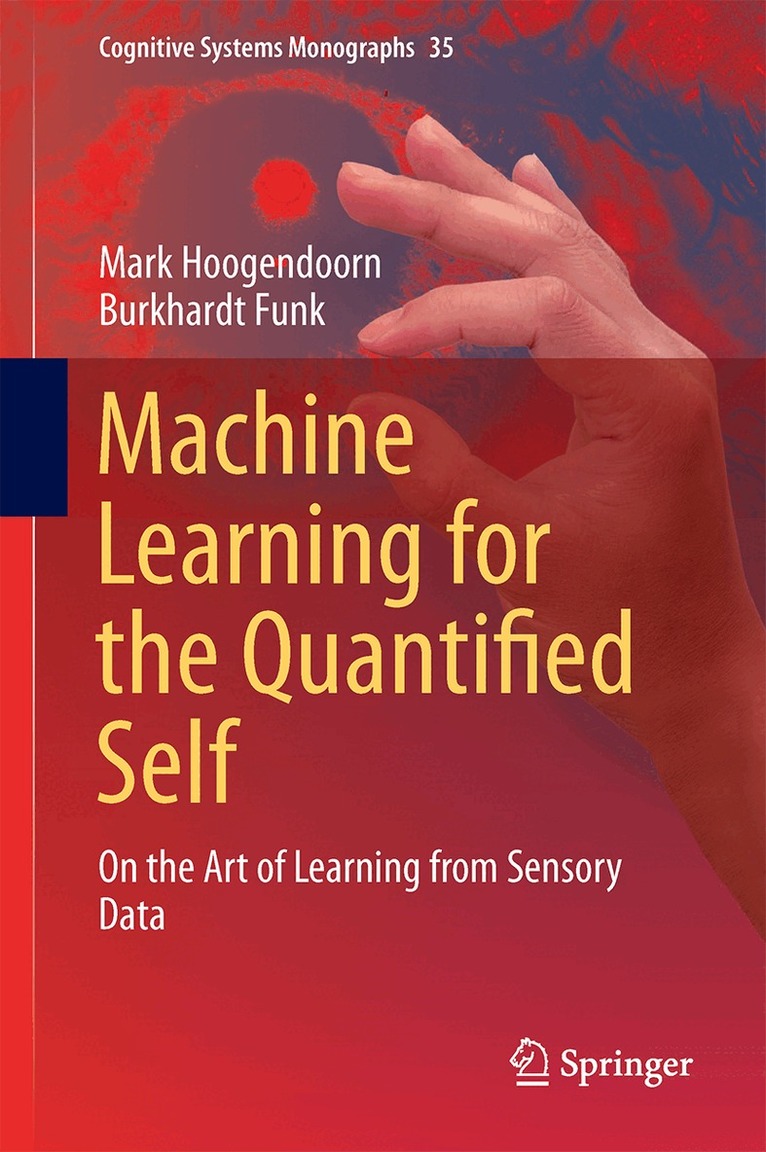
This book explains the complete loop to effectively use self-tracking data for machine learning. While it focuses on self-tracking data, the techniques explained are also applicable to sensory data in general, making it useful for a wider audience. Discussing concepts drawn from from state-of-the-art scientific literature, it illustrates the approaches using a case study of a rich self-tracking data set. Self-tracking has become part of the modern lifestyle, and the amount of data generated by these devices is so overwhelming that it is difficult to obtain useful insights from it. Luckily, in the domain of artificial intelligence there are techniques that can help out: machine-learning approaches allow this type of data to be analyzed. While there are ample books that explain machine-learning techniques, self-tracking data comes with its own difficulties that require dedicated techniques such as learning over time and across users.
2 351 kr
Läs direkt efter köp
This book explains the complete loop to effectively use self-tracking data for machine learning. While it focuses on self-tracking data, the techniques explained are also applicable to sensory data in general, making it useful for a wider audience. Discussing concepts drawn from from state-of-the-art scientific literature, it illustrates the approaches using a case study of a rich self-tracking data set. Self-tracking has become part of the modern lifestyle, and the amount of data generated by these devices is so overwhelming that it is difficult to obtain useful insights from it. Luckily, in the domain of artificial intelligence there are techniques that can help out: machine-learning approaches allow this type of data to be analyzed. While there are ample books that explain machine-learning techniques, self-tracking data comes with its own difficulties that require dedicated techniques such as learning over time and across users.
Häftad, Engelska, 2018
1 903 kr
Skickas inom 10-15 vardagar
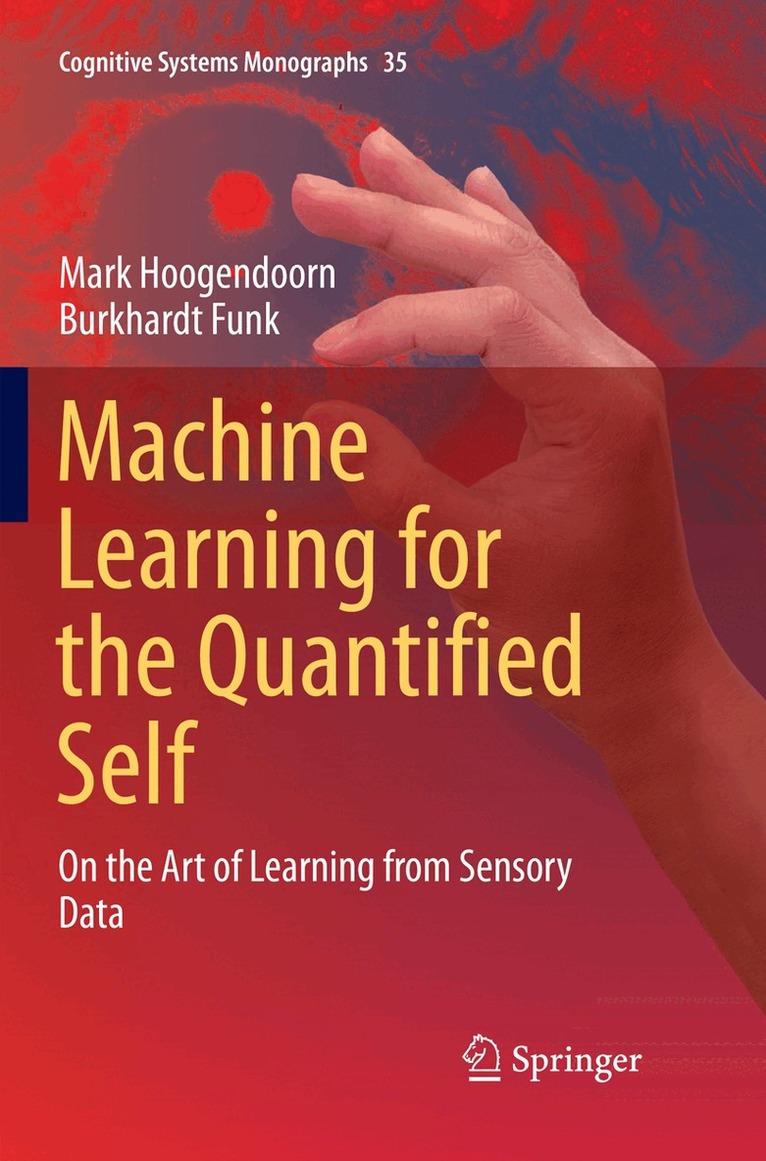
This book explains the complete loop to effectively use self-tracking data for machine learning. While it focuses on self-tracking data, the techniques explained are also applicable to sensory data in general, making it useful for a wider audience. Discussing concepts drawn from from state-of-the-art scientific literature, it illustrates the approaches using a case study of a rich self-tracking data set. Self-tracking has become part of the modern lifestyle, and the amount of data generated by these devices is so overwhelming that it is difficult to obtain useful insights from it. Luckily, in the domain of artificial intelligence there are techniques that can help out: machine-learning approaches allow this type of data to be analyzed. While there are ample books that explain machine-learning techniques, self-tracking data comes with its own difficulties that require dedicated techniques such as learning over time and across users.
Inbunden, Tyska, 2010
372 kr
Skickas inom 10-15 vardagar
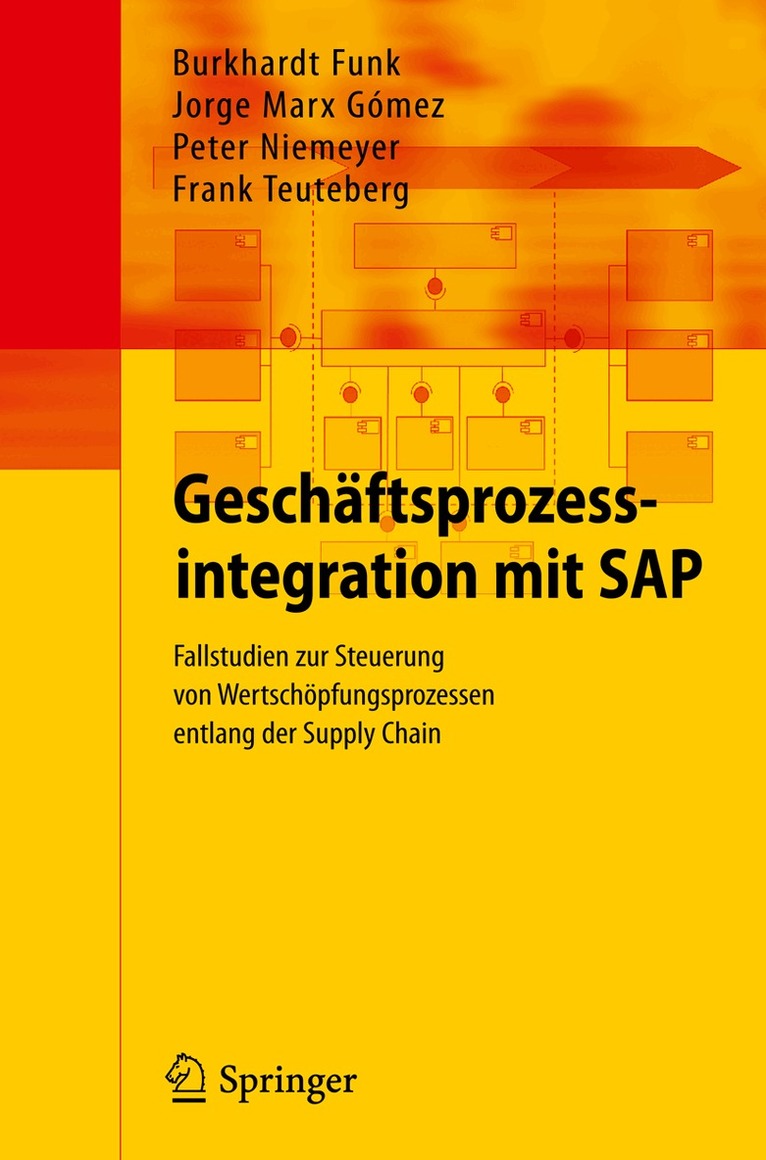
Anhand einer durchgängigen Fallstudie wird die Geschäftsprozessintegration mit Hilfe von SAP-Technologien erläutert. Konzeptionelle und technische Grundlagen, insbesondere die Einführung in die verwendete Integrationsplattform SAP PI und SAP Business Workflows, werden der Fallstudie vorangestellt. Die Fallstudie des Buches beschäftigt sich mit der Ermittlung der Umweltwirkung von Produkten und thematisiert damit eine Problemstellung, die im Kontext unterschiedlicher Geschäftsprozesse und Branchen auftritt: um das kundenseitige Informationsbedürfnis zur Umweltwirkung eines Produktes erfüllen zu können, werden Produktionsdetails entlang der Wertschöpfungskette von der Rohstoffentnahme bis zum Vertrieb gesammelt. Auf Grundlage der so gewonnenen Daten erhält der Verbraucher Aufschluss über die Herkunft der verarbeiteten Rohstoffe und die angewendeten Produktionsverfahren. Die erforderlichen Prozesse werden am Beispiel des produktbezogenen Carbon Footprint (PCF) konzipiert und implementiert.
E-bok
PDF, Tyska, 2010378 kr
Läs direkt efter köp
Anhand einer durchgängigen Fallstudie wird die Geschäftsprozessintegration mit Hilfe von SAP-Technologien erläutert. Konzeptionelle und technische Grundlagen, insbesondere die Einführung in die verwendete Integrationsplattform SAP PI und SAP Business Workflows, werden der Fallstudie vorangestellt. Die Fallstudie des Buches beschäftigt sich mit der Ermittlung der Umweltwirkung von Produkten und thematisiert damit eine Problemstellung, die im Kontext unterschiedlicher Geschäftsprozesse und Branchen auftritt: um das kundenseitige Informationsbedürfnis zur Umweltwirkung eines Produktes erfüllen zu können, werden Produktionsdetails entlang der Wertschöpfungskette von der Rohstoffentnahme bis zum Vertrieb gesammelt. Auf Grundlage der so gewonnenen Daten erhält der Verbraucher Aufschluss über die Herkunft der verarbeiteten Rohstoffe und die angewendeten Produktionsverfahren. Die erforderlichen Prozesse werden am Beispiel des produktbezogenen Carbon Footprint (PCF) konzipiert und implementiert.
Häftad, Tyska, 2012
403 kr
Skickas inom 10-15 vardagar
Anhand einer durchgängigen Fallstudie wird die Geschäftsprozessintegration mit Hilfe von SAP-Technologien erläutert. Konzeptionelle und technische Grundlagen, insbesondere die Einführung in die verwendete Integrationsplattform SAP PI und SAP Business Workflows, werden der Fallstudie vorangestellt. Die Fallstudie des Buches beschäftigt sich mit der Ermittlung der Umweltwirkung von Produkten und thematisiert damit eine Problemstellung, die im Kontext unterschiedlicher Geschäftsprozesse und Branchen auftritt: um das kundenseitige Informationsbedürfnis zur Umweltwirkung eines Produktes erfüllen zu können, werden Produktionsdetails entlang der Wertschöpfungskette von der Rohstoffentnahme bis zum Vertrieb gesammelt. Auf Grundlage der so gewonnenen Daten erhält der Verbraucher Aufschluss über die Herkunft der verarbeiteten Rohstoffe und die angewendeten Produktionsverfahren. Die erforderlichen Prozesse werden am Beispiel des produktbezogenen Carbon Footprint (PCF) konzipiert und implementiert.
Inbunden, Engelska, 2013
1 631 kr
Skickas inom 10-15 vardagar
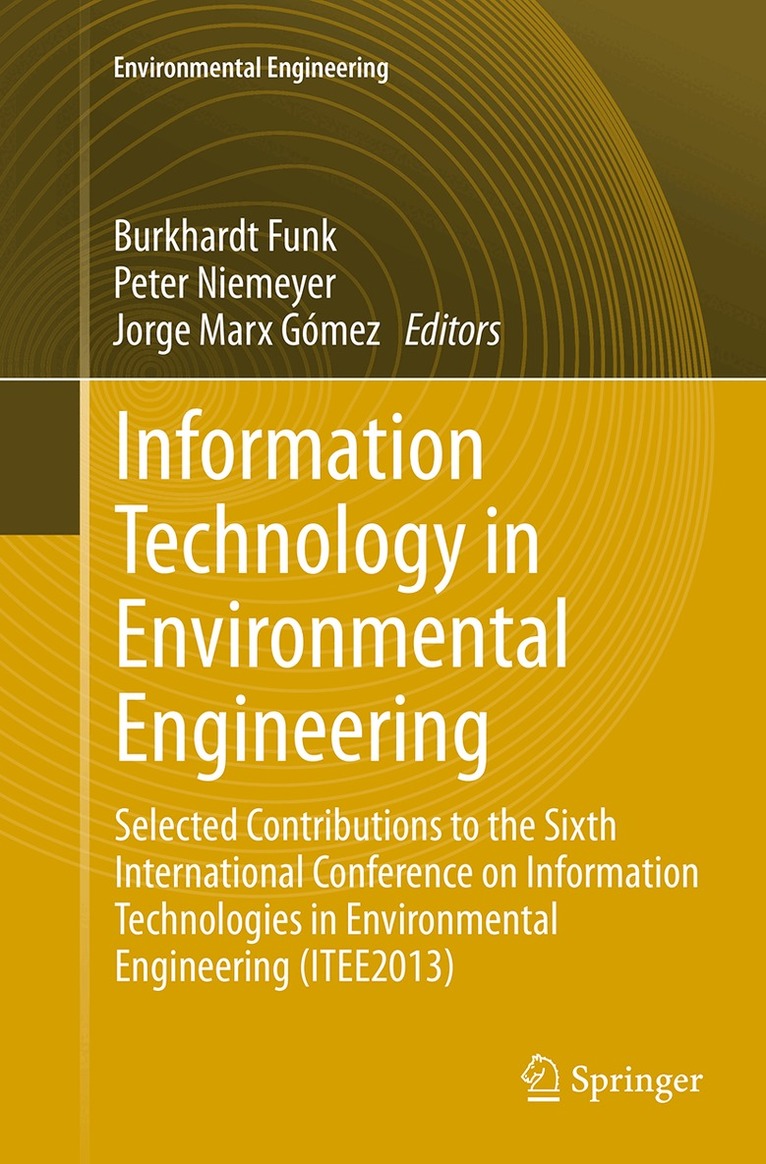
Information technologies have evolved to an enabling science for natural resource management and conservation, environmental engineering, scientific simulation and integrated assessment studies. Computing plays a significant role in the every day practices of environmental engineers, natural scientists, economists, and social scientists. The complexity of natural phenomena requires interdisciplinary approaches, where computing science offers the infrastructure for environmental data collection and management, scientific simulations, decision support, documentation and reporting. Ecology, environmental engineering and natural resource management comprise an excellent real-world testbed for IT system demonstration, while presenting new challenges for computer science. Complexity, uncertainty and scaling issues of natural systems constitute a demanding application domain for modelling, simulation and scientific workflows, data management and reporting, decision support and intelligent systems, distributed computing environments, geographical information systems, heterogeneous systems integration, software engineering, accounting systems, control systems, as well as sustainable manufacturing and reverse logistics. This books offers a collection of papers presented at the 6th International Conference on Environmental Engineering, held in July 2013, in Lüneburg, Germany. Recent success stories in ecoinformatics, promising ideas and new challenges are discussed among computer scientists, environmental engineers, industrial engineers, economists and social scientists, demonstrating new paradigms for problem solving and decision making.
E-bok
PDF, Engelska, 20131 977 kr
Läs direkt efter köp
Information technologies have evolved to an enabling science for natural resource management and conservation, environmental engineering, scientific simulation and integrated assessment studies. Computing plays a significant role in the every day practices of environmental engineers, natural scientists, economists, and social scientists. The complexity of natural phenomena requires interdisciplinary approaches, where computing science offers the infrastructure for environmental data collection and management, scientific simulations, decision support, documentation and reporting. Ecology, environmental engineering and natural resource management comprise an excellent real-world testbed for IT system demonstration, while presenting new challenges for computer science. Complexity, uncertainty and scaling issues of natural systems constitute a demanding application domain for modelling, simulation and scientific workflows, data management and reporting, decision support and intelligent systems, distributed computing environments, geographical information systems, heterogeneous systems integration, software engineering, accounting systems, control systems, as well as sustainable manufacturing and reverse logistics. This books offers a collection of papers presented at the 6th International Conference on Environmental Engineering, held in July 2013, in Lüneburg, Germany. Recent success stories in ecoinformatics, promising ideas and new challenges are discussed among computer scientists, environmental engineers, industrial engineers, economists and social scientists, demonstrating new paradigms for problem solving and decision making.
Häftad, Engelska, 2016
1 631 kr
Skickas inom 10-15 vardagar
Information technologies have evolved to an enabling science for natural resource management and conservation, environmental engineering, scientific simulation and integrated assessment studies. Computing plays a significant role in the every day practices of environmental engineers, natural scientists, economists, and social scientists. The complexity of natural phenomena requires interdisciplinary approaches, where computing science offers the infrastructure for environmental data collection and management, scientific simulations, decision support, documentation and reporting. Ecology, environmental engineering and natural resource management comprise an excellent real-world testbed for IT system demonstration, while presenting new challenges for computer science. Complexity, uncertainty and scaling issues of natural systems constitute a demanding application domain for modelling, simulation and scientific workflows, data management and reporting, decision support and intelligent systems, distributed computing environments, geographical information systems, heterogeneous systems integration, software engineering, accounting systems, control systems, as well as sustainable manufacturing and reverse logistics. This books offers a collection of papers presented at the 6th International Conference on Environmental Engineering, held in July 2013, in Lüneburg, Germany. Recent success stories in ecoinformatics, promising ideas and new challenges are discussed among computer scientists, environmental engineers, industrial engineers, economists and social scientists, demonstrating new paradigms for problem solving and decision making.