Burnham - Böcker
Visar alla böcker från författaren Burnham. Handla med fri frakt och snabb leverans.
3 produkter
3 produkter
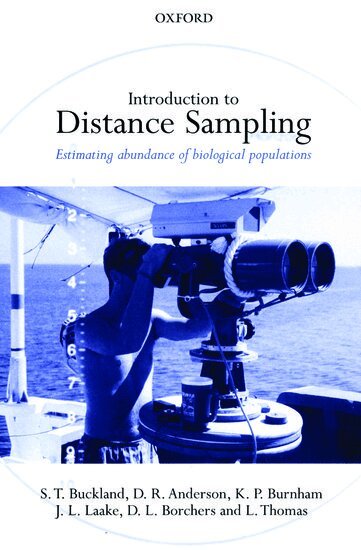
Introduction to Distance Sampling
Estimating Abundance of Biological Populations
Häftad, Engelska, 2001
1 170 kr
Skickas inom 7-10 vardagar
This book introduces the suite of techniques known as 'distance sampling'. Of particular significance in this update is the chapter on study design and field methods, which has been extensively re-written and extended. New technologies such as laser range finders, theodolites and the Geographical Postioning System (UPS) are discussed, and advice is given on a wide range of survey methods. Analysis methods have been generalised, throughout the use of various types of multipler.
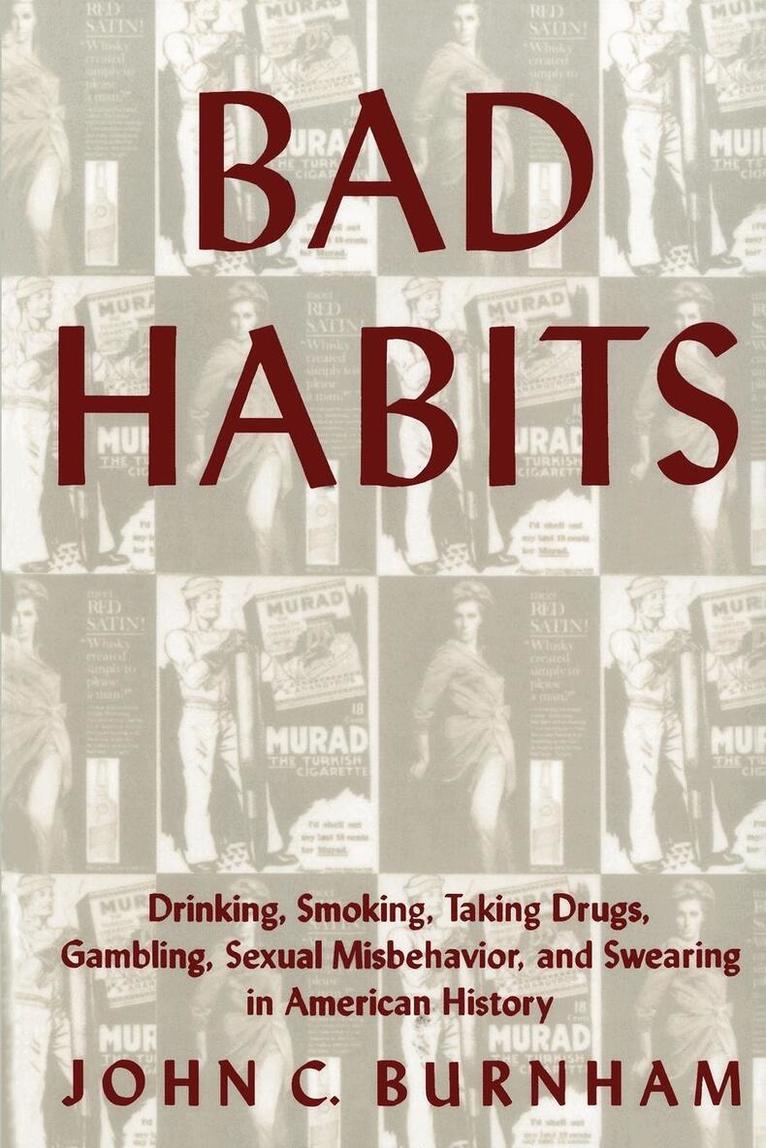
Bad Habits
Drinking, Smoking, Taking Drugs, Gambling, Sexual Misbehavior and Swearing in American History
Häftad, Engelska, 1994
413 kr
Skickas inom 7-10 vardagar
A pioneering study tracing the growth of Americans' bad habitsThe vast majority of Americans have, at one point or another gotten drunk, smoked, dabbled with drugs, gambled, sworn or engaged in adultery. During the 1800s, respectable people struggled to control these behaviors, labeling them bad and the people who indulged in them unrespectable. In the twentieth century, however, these minor vices were transformed into a societal complex of enormous and pervasive influence. Yet the general belief persists that these activities remain merely harmless bad habits, individual transgressions more than social problems. Not so, argues distinguished historian John C. Burnham, in this pioneering study.In Bad Habits, Burnham traces the growth of a veritable minor vice-industrial complex. As it grew, activities that might have been harmless, natural, and sociable fun resulted in fundamental social change. When Burnham set out to explore the influence of these bad habits on American society, he sought to discover why so many good people engaged in activities that many, including they themselves, considered bad. What he found, however, was a coalition of economic and social interests in which the single-minded quest for profit allied with the values of the Victorian saloon underworld and bohemian rebelliousness. This combination radically inverted common American standards of personal conduct.Bad Habits, then, describes, in words and pictures, how more and more Americans learned to value hedonism and self-gratification—to smoke and swear during World War I, to admire cabaret night life, and to reject schoolmarmish standards in the age of Prohibition. Tracing the evolution of each of the bad habits, Burnham tells how liquor control boards encouraged the consumption of alcohol; how alcoholic beverage producers got their workers deferred from the draft during World War II; how convenience stores and accounting firms pursued profits by pushing legalized gambling; how swinging Playboy bankrolled a drug advocacy group; how advertising and television made the Marlboro Man a national hero; how drug paraphernalia was promoted by national advertisers; how a practical joker/drug addict caused a shortage of kitty litter on Long Island; and how the evolution of an entire sex therapy industry helped turn sexual experience into a new kind of commodity. Altogether, a lot of people made a lot of money. But what, the author asks, did these changes cost American society?This illustrated tour de force by one of the most distinctive and important voices in social history reveals John C. Burnham at his provocative and controversial best.
261 kr
Skickas inom 7-10 vardagar
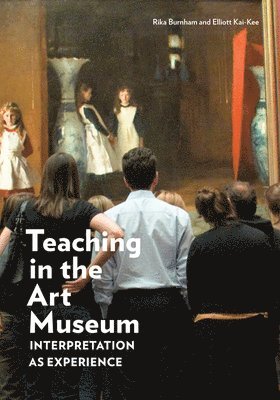
This title offers an insightful exploration of the mission, history, theory, practice, & future of museum education. At the heart of all good art museum teaching is an effort to bring people and artworks together in meaningful ways. But what constitutes an experience of a work of art? And what should be taught and why? This book addresses these and myriad other questions and investigates the mission, history, theory, practice, and future prospects of museum education. Every critical issue that has preoccupied the profession throughout its hundred-year history is considered - from the lecture- vs. conversation-based teaching argument to the role of information in gallery teaching. This is an invaluable resource for anyone involved in museum teaching, from professional museum educators to students.