C. Balachandran - Böcker
Visar alla böcker från författaren C. Balachandran. Handla med fri frakt och snabb leverans.
3 produkter
3 produkter
1 804 kr
Skickas inom 7-10 vardagar
2 126 kr
Skickas inom 7-10 vardagar
The diagnostic methodologies of clinical examination, radiographic evaluation, and laboratory data may not always confirm a diagnosis. In such cases, cytology proves to be a crucial tool in confirming disease processes or conditions. Presently, there is a need for less invasive and cost-effective methods for tumor diagnosis (Sangha et al., 2011). The success of cytological diagnosis relies on the collection of appropriate representative cells, specimen preparation, and processing, as well as the interpretation of smears, which are all interdependent procedures (Roszel, 1981; Lumsden and Baker, 2000).The arrangement of neoplastic cells within tissue is critical for determining the diagnosis of various types of tumors, evaluating surgical margins, and distinguishing between benign and malignant tumors (Stirtzinger, 1988). The role of cytology as a diagnostic tool in veterinary medicine is continuously developing and expanding, establishing itself as a reliable, minimally invasive method for obtaining a tissue diagnosis over the last two decades.As clinicians increase their use of diagnostic techniques and cytopathologists gain experience with a wider range of lesions, tissue samples, disease processes, and accuracy of the diagnosis must be improved (Meinkoth and Cowell, 2002). Cytology serves as a screening diagnostic tool, classifying lesions as inflammatory, hyperplastic, or neoplastic. An experienced cytologist can definitively diagnose specific neoplasms, provide tentative diagnoses for various types of tumors, identify sites of tumor metastasis, and monitor tumor regrowth following anticancer therapy. Information obtained from cytology may prove useful in establishing a diagnosis, determining a prognosis, and formulating a diagnostic or therapeutic plan.
2 958 kr
Skickas inom 7-10 vardagar
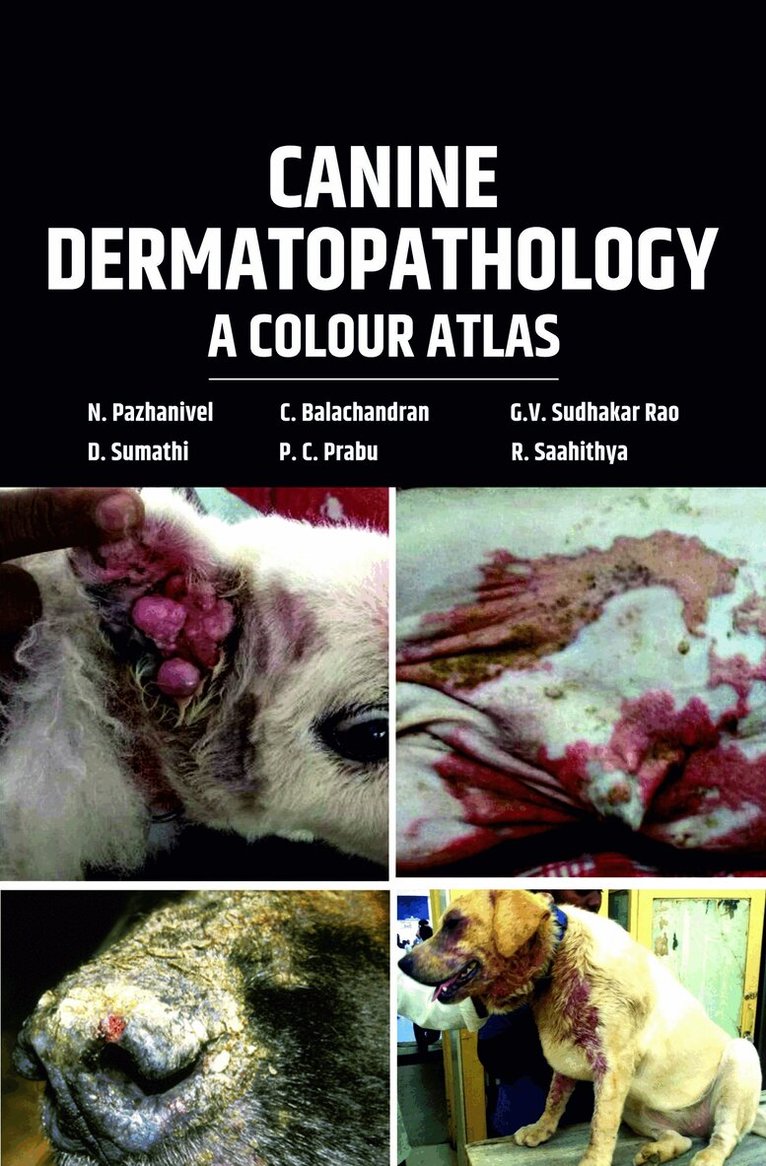
Canine Dermatopathology is a comprehensive resource for veterinarians, clinicians, students, and faculties that delves into the dermatological disorders in dogs. As dermatology constitutes a significant portion of daily caseloads in small animal practice, this book emerges as an invaluable tool in providing a logical and sequential approach to tackling the challenges presented by various skin conditions.The canine skin, being the largest organ with multifaceted functions, demands a nuanced understanding. This book recognizes the complexity of dermatological cases and emphasizes the importance of a structured diagnostic approach.In addition to addressing common health problems in pet animals, particularly dogs, the book explores a myriad of aetiologies, including ecto/endoparasitic infestations, contact allergens, physical causes, radiation, infectious causes (bacterial, viral, fungal infections), immunological causes, nutritional/metabolic disorders, and endocrine imbalances. It also emphasizes the prevalence of secondary infections and guides veterinarians in successfully managing dermatological cases.The book highlights the significance of specific tests, such as skin scrapings, fungal and bacterial culture, cytological evaluation, and skin biopsy. Cytology emerges as a highly efficient and valuable examination that facilitates rapid lesion evaluation and guides subsequent diagnostic steps. Histopathology, when coupled with clinical findings, leads to definitive diagnoses, especially in cases involving neoplastic nodules or conditions with poor responses to previous therapy.With a focus on cytology, gross morphology, histopathology, and immunohistochemistry, the book equips veterinarians with the knowledge needed for accurate and early diagnosis and treatment of various skin conditions in dogs. It serves as both a ready reckoner and an educational tool for the readers.