C. Bryant – författare
Visar alla böcker från författaren C. Bryant. Handla med fri frakt och snabb leverans.
6 produkter
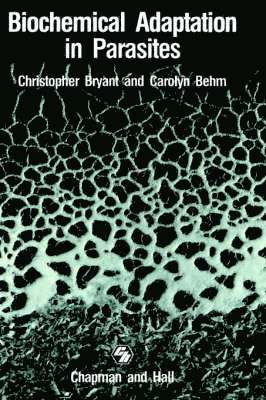
Biochemical Adaptation in Parasites
Inbunden, 1989
2185 kr
Lägg i varukorg
In recent years, parasitologists have learned much about the way in which parasite biochemistry differs from that of free-living organisms. Inside the host, factors such as temperature, oxygen tension, carbon dioxide concentration and pH have important consequences for the biochemistry and …
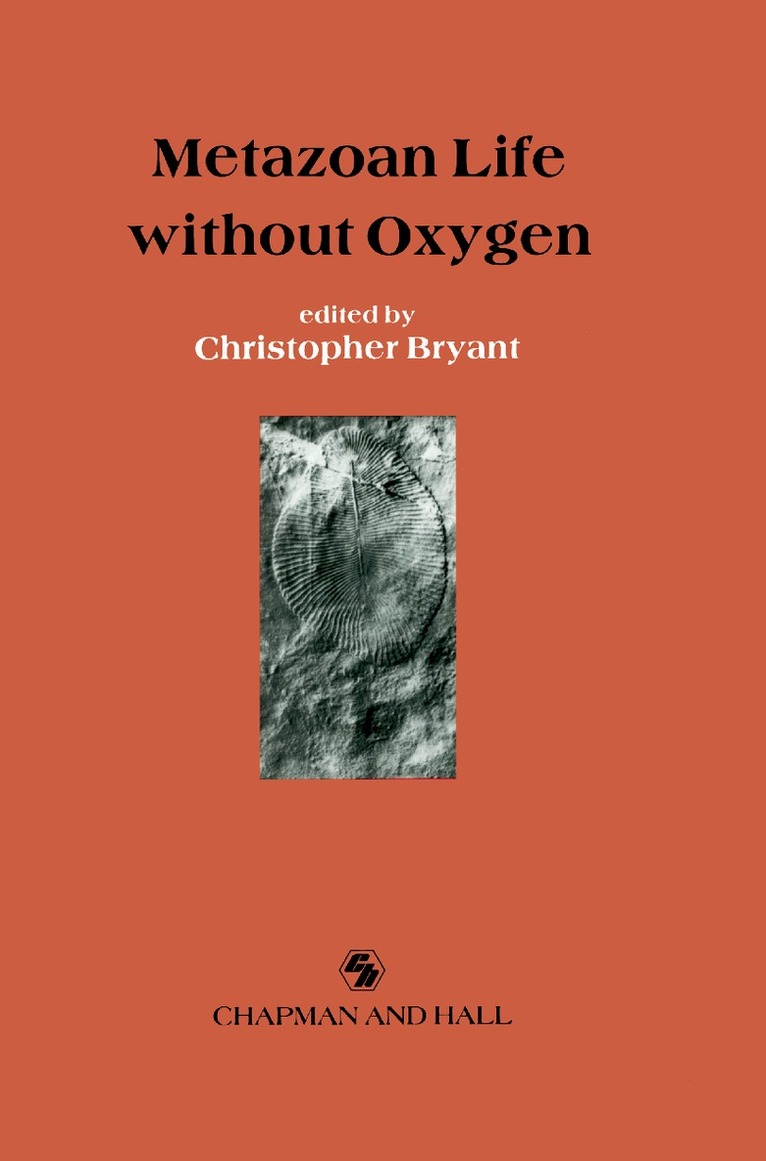
Metazoan Life without Oxygen
Av C. Bryant
Inbunden, 1990
2185 kr
Lägg i varukorg
Many multicellular animals do not require oxygen to live but respire anaerobically. Some of these have adapted to "hostile" environments, such as sulphide rich habitats, others live as parasites within host organisms, while others still can perhaps be said to look back on the early days of life on …
Collection of Stuff
Poetry for Those Who Are Cool!
Av Air Conditioner Bryant, C Bryant
Häftad, 2001
245 kr
Lägg i varukorg
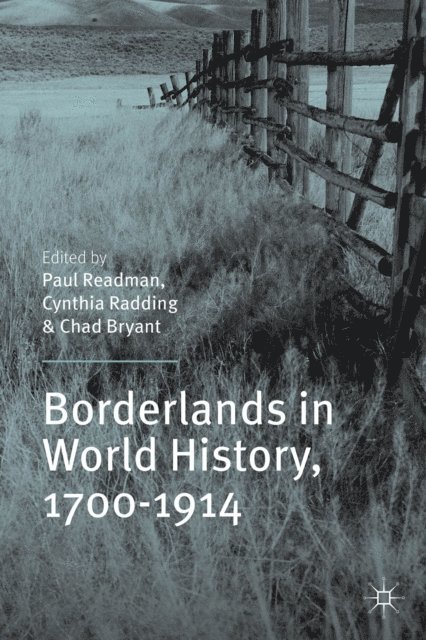
Borderlands in World History, 1700-1914
Av P. Readman, C. Radding m. fl.
Häftad, 2014
568 kr
Lägg i varukorg
Covering two hundred years, this groundbreaking book brings together essays on borderlands by leading experts in the modern history of the Americas, Europe, Africa, Asia and Australia to offer the first historical study of borderlands with a global reach.
Borderlands in World History, 1700-1914
Av P. Readman, C. Radding m. fl.
Inbunden, 2014
568 kr
Lägg i varukorg
Covering two hundred years, this groundbreaking book brings together essays on borderlands by leading experts in the modern history of the Americas, Europe, Africa, Asia and Australia to offer the first historical study of borderlands with a global reach.
Borderlands in World History, 1700-1914
Av C. Bryant, C. Radding m. fl.
E-bok, 2014
785 kr
Lägg i varukorg
Covering two hundred years, this groundbreaking book brings together essays on borderlands by leading experts in the modern history of the Americas, Europe, Africa, Asia and Australia to offer the first historical study of borderlands with a global reach.