C. Coe – författare
Visar alla böcker från författaren C. Coe. Handla med fri frakt och snabb leverans.
6 produkter
6 produkter
Inbunden, Engelska, 2013
549 kr
Skickas inom 10-15 vardagar
The Fractured Self in Freud and German Philosophy examines Freud's transformation of German philosophical approaches to freedom, history, and self-knowledge; defends a theory of situated knowledge and agency; and considers the relevance of Freudian thought for contemporary cultural issues.
E-bok
PDF, Engelska, 2013687 kr
Läs direkt efter köp
The Fractured Self in Freud and German Philosophy examines Freud''s transformation of German philosophical approaches to freedom, history, and self-knowledge; defends a theory of situated knowledge and agency; and considers the relevance of Freudian thought for contemporary cultural issues.
Inbunden, Engelska, 2013
549 kr
Skickas inom 10-15 vardagar
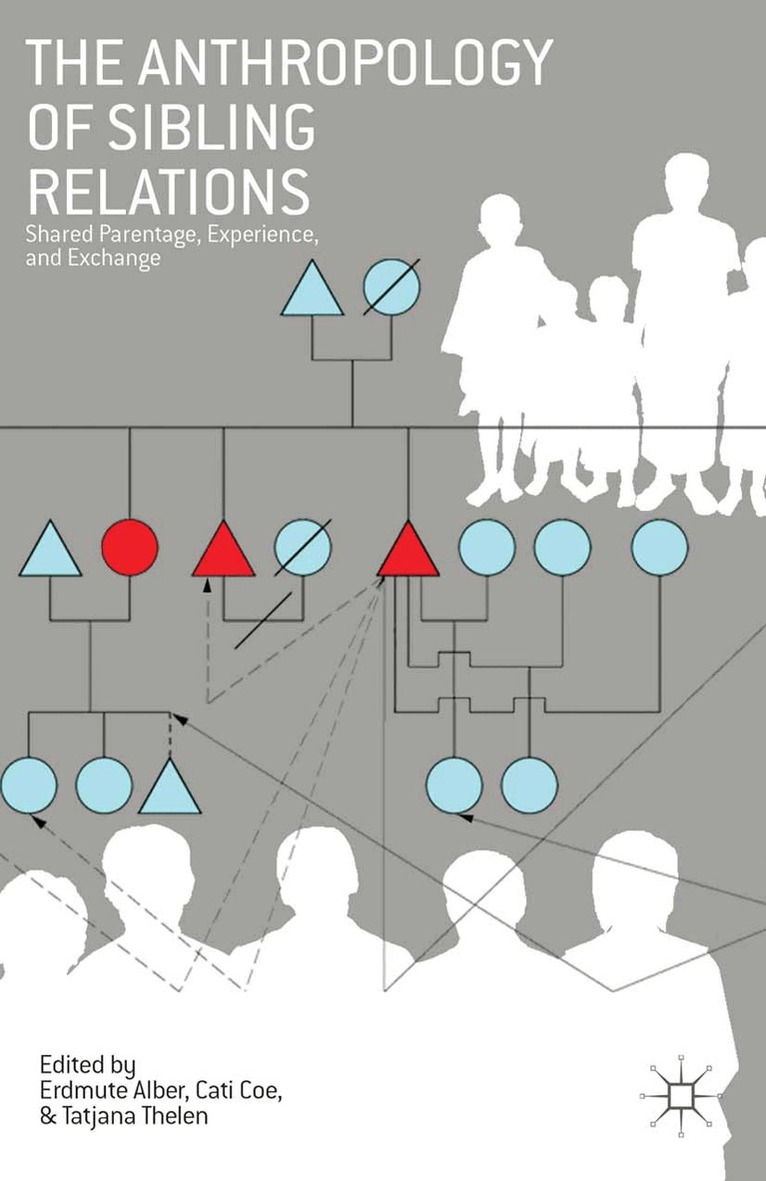
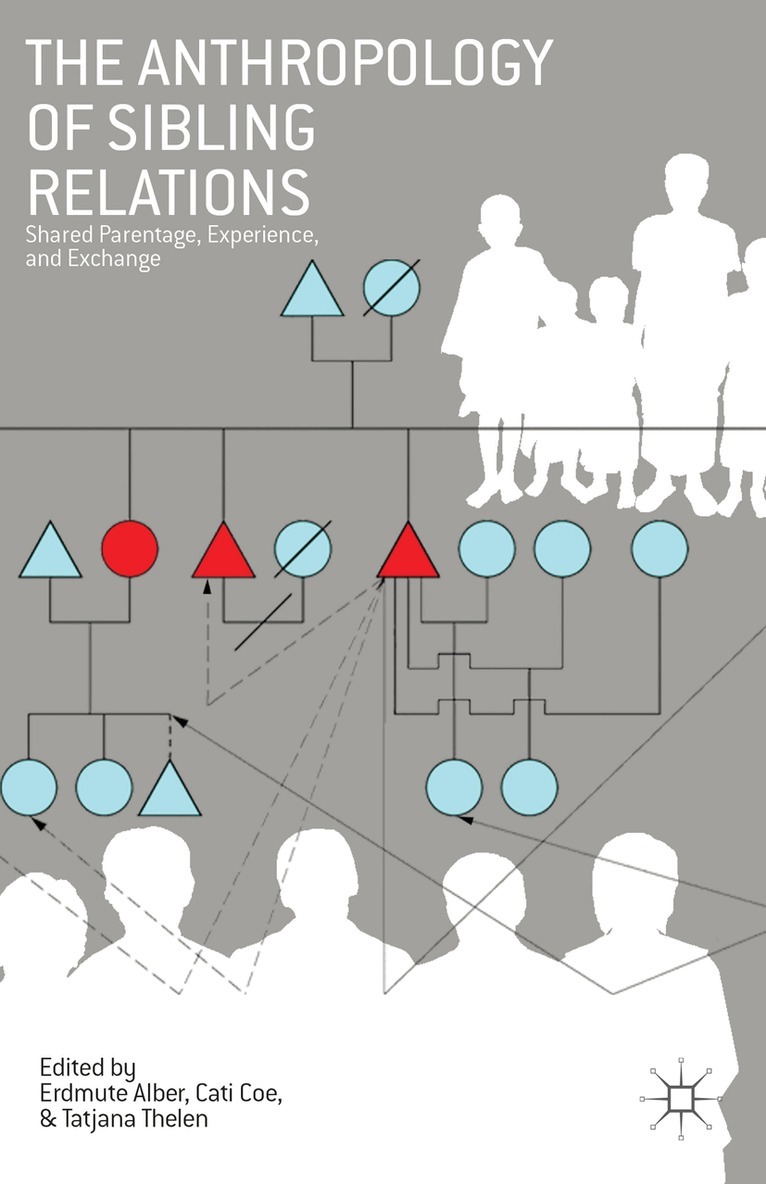
Drawing on international case studies, the contributors extrapolate a systematization of the ways in which siblingship is conceived on the basis of shared parentage, shared childhoods, and reciprocal care. They explore what makes these relations worth maintaining and how they contribute to community processes and to material and emotional survival.
E-bok
PDF, Engelska, 2013687 kr
Läs direkt efter köp
Drawing on international case studies, the contributors extrapolate a systematization of the ways in which siblingship is conceived on the basis of shared parentage, shared childhoods, and reciprocal care. They explore what makes these relations worth maintaining and how they contribute to community processes and to material and emotional survival.
Häftad, Engelska, 2013
548 kr
Skickas inom 10-15 vardagar
The Fractured Self in Freud and German Philosophy examines Freud's transformation of German philosophical approaches to freedom, history, and self-knowledge; defends a theory of situated knowledge and agency; and considers the relevance of Freudian thought for contemporary cultural issues.
Häftad, Engelska, 2013
548 kr
Skickas inom 10-15 vardagar
Drawing on international case studies, the contributors extrapolate a systematization of the ways in which siblingship is conceived on the basis of shared parentage, shared childhoods, and reciprocal care. They explore what makes these relations worth maintaining and how they contribute to community processes and to material and emotional survival.