C. Louis – författare
Visar alla böcker från författaren C. Louis. Handla med fri frakt och snabb leverans.
5 produkter
5 produkter
Inbunden, Engelska, 1996
2 238 kr
Skickas inom 10-15 vardagar
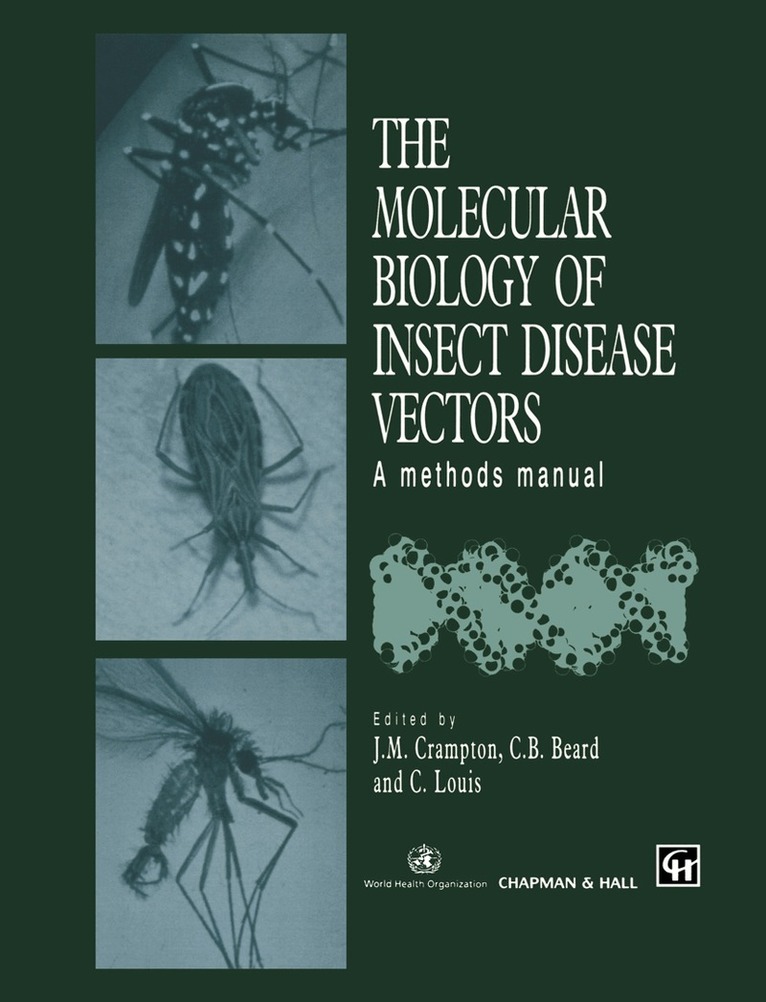
Only one generation ago, entomology was a proudly isolated discipline. In Comstock Hall, the building of the Department of Entomology at Cornell University where I was first introduced to experimental science in the laboratory of Tom Eisner, those of us interested in the chemistry of life felt like interlopers. In the 35 years that have elapsed since then, all of biology has changed, and entomology with it. Arrogant molecular biologists and resentful classical biologists might think that what has happened is a hostile take-over of biology by molecular biology. But they are wrong. More and more we now understand that the events were happier and much more exciting, amounting to a new synthesis. Molecular Biology, which was initially focused on the simplest of organisms, bacteria and viruses, broke out of its confines after the initial fundamental questions were answered - the structure of DNA, the genetic code, the nature of regulatory genes - and, importantly, as its methods became more and more generally applicable. The recombinant DNA revo lution of the 1970s, the development of techniques for sequencing macromolecules, the polymerase chain reaction, new molecular methods of genetic analysis, all brought molecular biology face to face with the infinite complexity and the exuber ant diversity of life. Molecular biology itself stopped being an isolated diScipline, pre occupied with the universal laws of life, and became an approach to addressing fas cinating specific problems from every field of biology.
Inbunden, Engelska, 2006
1 680 kr
Skickas inom 10-15 vardagar
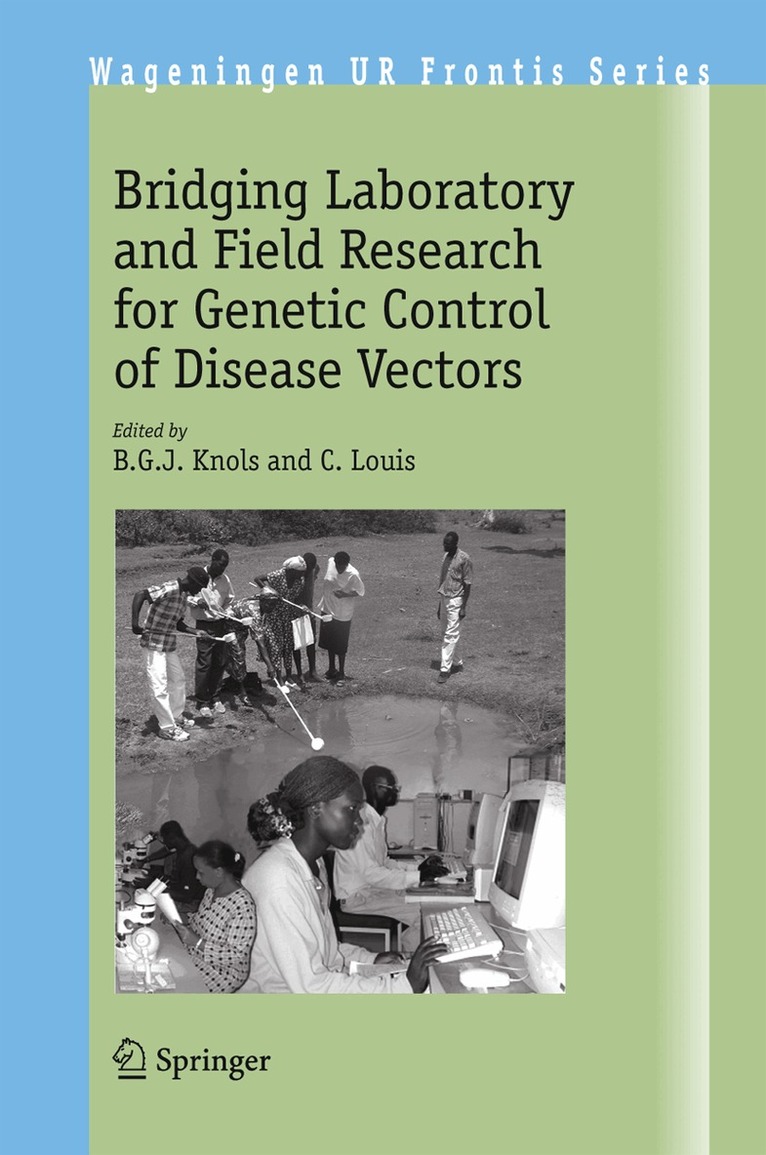
Contemporary research on genetic control of disease-transmitting insects knows two kinds of scientists: those that work in the laboratory and those known as ‘field people’. Over the last decade, both groups seem to have developed differing research priorities, address fundamentally different aspects within the overall discipline of infectious-disease control, and worse, have developed a scientific ‘language’ that is no longer understood by the ‘other’ party. This gap widens every day, between the North and the South, between ecologists and molecular biologists, geneticists and behaviourists, etc. The need to develop a common research agenda that bridges this gap has been identified as a top priority by all parties involved. Only then shall the goal of developing appropriate genetic-control strategies for vectors of disease become reality. This book is the reflection of a workshop, held in Nairobi (Kenya) in July 2004. It brought together a good representation of both molecular and ecological research and, for the first time, included a significant number of researchers from disease-endemic countries.
Häftad, Engelska, 2006
1 680 kr
Skickas inom 10-15 vardagar
Contemporary research on genetic control of disease-transmitting insects knows two kinds of scientists: those that work in the laboratory and those known as ‘field people’. Over the last decade, both groups seem to have developed differing research priorities, address fundamentally different aspects within the overall discipline of infectious-disease control, and worse, have developed a scientific ‘language’ that is no longer understood by the ‘other’ party. This gap widens every day, between the North and the South, between ecologists and molecular biologists, geneticists and behaviourists, etc. The need to develop a common research agenda that bridges this gap has been identified as a top priority by all parties involved. Only then shall the goal of developing appropriate genetic-control strategies for vectors of disease become reality. This book is the reflection of a workshop, held in Nairobi (Kenya) in July 2004. It brought together a good representation of both molecular and ecological research and, for the first time, included a significant number of researchers from disease-endemic countries.
E-bok
PDF, Engelska, 20122 765 kr
Läs direkt efter köp
Only one generation ago, entomology was a proudly isolated discipline. In Comstock Hall, the building of the Department of Entomology at Cornell University where I was first introduced to experimental science in the laboratory of Tom Eisner, those of us interested in the chemistry of life felt like interlopers. In the 35 years that have elapsed since then, all of biology has changed, and entomology with it. Arrogant molecular biologists and resentful classical biologists might think that what has happened is a hostile take-over of biology by molecular biology. But they are wrong. More and more we now understand that the events were happier and much more exciting, amounting to a new synthesis. Molecular Biology, which was initially focused on the simplest of organisms, bacteria and viruses, broke out of its confines after the initial fundamental questions were answered - the structure of DNA, the genetic code, the nature of regulatory genes - and, importantly, as its methods became more and more generally applicable. The recombinant DNA revo lution of the 1970s, the development of techniques for sequencing macromolecules, the polymerase chain reaction, new molecular methods of genetic analysis, all brought molecular biology face to face with the infinite complexity and the exuber ant diversity of life. Molecular biology itself stopped being an isolated diScipline, pre occupied with the universal laws of life, and became an approach to addressing fas cinating specific problems from every field of biology.
Häftad, Engelska, 2013
2 173 kr
Skickas inom 10-15 vardagar
The recombinant DNA revo lution of the 1970s, the development of techniques for sequencing macromolecules, the polymerase chain reaction, new molecular methods of genetic analysis, all brought molecular biology face to face with the infinite complexity and the exuber ant diversity of life.