
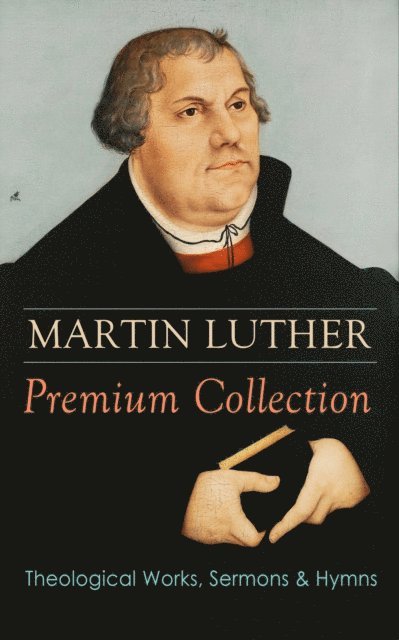
This meticulously edited Martin Luther collection includes:Introduction:Luther by John ActonWorks:Disputation on the Power and Efficacy of Indulgences (95 theses)The Bondage of the WillTo the Christian Nobility of the German NationPrelude on the Babylonian Captivity of the ChurchA Treatise on Christian LibertyA Treatise of Good WorksA Treatise on BaptismDisputation on the Divinity and Humanity of ChristThe Large CatechismThe Small CatechismCommentary on GenesisOn the CreationOn Sin and the FloodCommentary on the Epistle to the GalatiansThe Epistles of St. Peter and St. Jude Preached and ExplainedEpistle SermonsEpiphany, Easter and PentecostTrinity Sunday to AdventTable TalkThe Book of Vagabonds and BeggarsDiscussion of ConfessionThe Fourteen of ConsolationWarning Against the JewsThe Smalcald ArticlesThe German Mass and Order of Divine ServiceAn Open Letter on TranslatingLetter to Several NunsHymnsDear Christians, One and All, RejoiceA Mighty Fortress Is Our GodSavior of the Nations, ComeThe Martyrs'' Hymn
The Ninety-five Theses or Disputation on the Power of Indulgences are a list of propositions for an academic disputation written in 1517 by Martin Luther, professor of moral theology at the University of Wittenberg, Germany, that started the Reformation, a schism in the Catholic Church which profoundly changed Europe. They advance Luther''s positions against what he saw as the abuse of the practice of clergy selling plenary indulgences, which were certificates believed to reduce the temporal punishment for sins committed by the purchasers or their loved ones in purgatory. In the Theses, Luther claimed that the repentance required by Christ in order for sins to be forgiven involves inner spiritual repentance rather than merely external sacramental confession. He argued that indulgences led Christians to avoid true repentance and sorrow for sin, believing that they could forgo it by purchasing an indulgence.
Martin Luther''s ''The Ninety-Five Theses'' is a pivotal work in the history of Christianity, sparking the Protestant Reformation. Written in a persuasive and bold tone, Luther''s arguments against the Catholic Church''s sale of indulgences resonate with readers even today. The book''s format of 95 theses laid out in a clear and concise manner reflects Luther''s intention to stimulate debate and reform within the Church. The Ninety-Five Theses is not only a religious document but also a literary masterpiece that changed the course of Western history. Its influence on Protestant theology and the printing press cannot be overstated. Martin Luther, a German theologian and monk, penned The Ninety-Five Theses in 1517, motivated by his concern over corruption and abuse within the Catholic Church. His courage to challenge the authority of the Church and his commitment to truth and personal conscience define him as a significant figure in religious history. Luther''s dedication to reforming Christianity shines through in this powerful manifesto. I highly recommend ''The Ninety-Five Theses'' to readers interested in religious history, theology, and the impact of individuals on society. Luther''s timeless message of standing up for one''s beliefs and questioning authority continues to inspire and provoke thoughtful reflection.In this enriched edition, we have carefully created added value for your reading experience:- A succinct Introduction situates the work''s timeless appeal and themes.- The Synopsis outlines the central plot, highlighting key developments without spoiling critical twists.- A detailed Historical Context immerses you in the era''s events and influences that shaped the writing.- An Author Biography reveals milestones in the author''s life, illuminating the personal insights behind the text.- A thorough Analysis dissects symbols, motifs, and character arcs to unearth underlying meanings.- Reflection questions prompt you to engage personally with the work''s messages, connecting them to modern life.- Hand‐picked Memorable Quotes shine a spotlight on moments of literary brilliance.- Interactive footnotes clarify unusual references, historical allusions, and archaic phrases for an effortless, more informed read.
This meticulously edited Martin Luther collection includes:Introduction:Luther by John ActonWorks:Disputation on the Power and Efficacy of Indulgences (95 theses)The Bondage of the WillTo the Christian Nobility of the German NationPrelude on the Babylonian Captivity of the ChurchA Treatise on Christian LibertyA Treatise of Good WorksA Treatise on BaptismDisputation on the Divinity and Humanity of ChristThe Large CatechismThe Small CatechismCommentary on GenesisOn the CreationOn Sin and the FloodCommentary on the Epistle to the GalatiansThe Epistles of St. Peter and St. Jude Preached and ExplainedEpistle SermonsEpiphany, Easter and PentecostTrinity Sunday to AdventTable TalkThe Book of Vagabonds and BeggarsDiscussion of ConfessionThe Fourteen of ConsolationWarning Against the JewsThe Smalcald ArticlesThe German Mass and Order of Divine ServiceAn Open Letter on TranslatingLetter to Several NunsHymnsDear Christians, One and All, RejoiceA Mighty Fortress Is Our GodSavior of the Nations, ComeThe Martyrs'' Hymn
The Ninety-five Theses or Disputation on the Power of Indulgences are a list of propositions for an academic disputation written in 1517 by Martin Luther, professor of moral theology at the University of Wittenberg, Germany, that started the Reformation, a schism in the Catholic Church which profoundly changed Europe. They advance Luther''s positions against what he saw as the abuse of the practice of clergy selling plenary indulgences, which were certificates believed to reduce the temporal punishment for sins committed by the purchasers or their loved ones in purgatory. In the Theses, Luther claimed that the repentance required by Christ in order for sins to be forgiven involves inner spiritual repentance rather than merely external sacramental confession. He argued that indulgences led Christians to avoid true repentance and sorrow for sin, believing that they could forgo it by purchasing an indulgence.
Martin Luther''s ''The Ninety-Five Theses'' is a pivotal work in the history of Christianity, sparking the Protestant Reformation. Written in a persuasive and bold tone, Luther''s arguments against the Catholic Church''s sale of indulgences resonate with readers even today. The book''s format of 95 theses laid out in a clear and concise manner reflects Luther''s intention to stimulate debate and reform within the Church. The Ninety-Five Theses is not only a religious document but also a literary masterpiece that changed the course of Western history. Its influence on Protestant theology and the printing press cannot be overstated. Martin Luther, a German theologian and monk, penned The Ninety-Five Theses in 1517, motivated by his concern over corruption and abuse within the Catholic Church. His courage to challenge the authority of the Church and his commitment to truth and personal conscience define him as a significant figure in religious history. Luther''s dedication to reforming Christianity shines through in this powerful manifesto. I highly recommend ''The Ninety-Five Theses'' to readers interested in religious history, theology, and the impact of individuals on society. Luther''s timeless message of standing up for one''s beliefs and questioning authority continues to inspire and provoke thoughtful reflection.In this enriched edition, we have carefully created added value for your reading experience:- A succinct Introduction situates the work''s timeless appeal and themes.- The Synopsis outlines the central plot, highlighting key developments without spoiling critical twists.- A detailed Historical Context immerses you in the era''s events and influences that shaped the writing.- An Author Biography reveals milestones in the author''s life, illuminating the personal insights behind the text.- A thorough Analysis dissects symbols, motifs, and character arcs to unearth underlying meanings.- Reflection questions prompt you to engage personally with the work''s messages, connecting them to modern life.- Hand‐picked Memorable Quotes shine a spotlight on moments of literary brilliance.- Interactive footnotes clarify unusual references, historical allusions, and archaic phrases for an effortless, more informed read.