C. Shekhar P. Ojha – författare
Visar alla böcker från författaren C. Shekhar P. Ojha. Handla med fri frakt och snabb leverans.
6 produkter
6 produkter
Inbunden, Engelska, 2004
2 174 kr
Skickas inom 10-15 vardagar
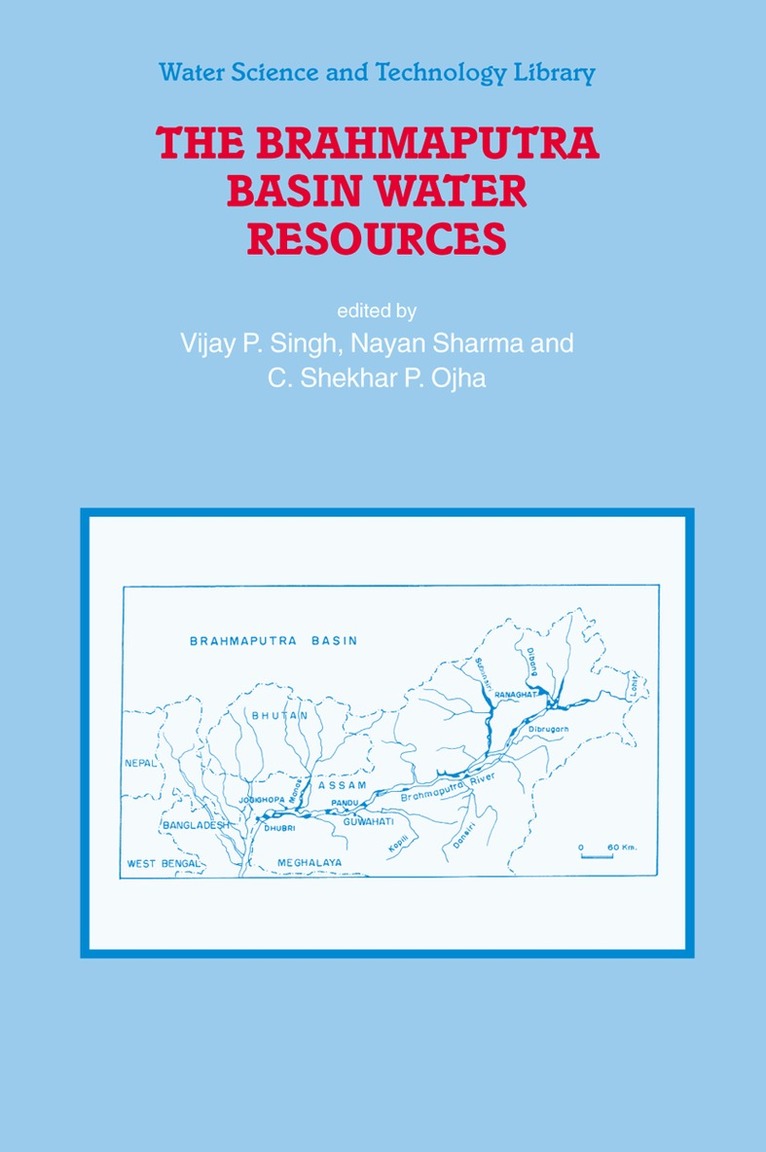
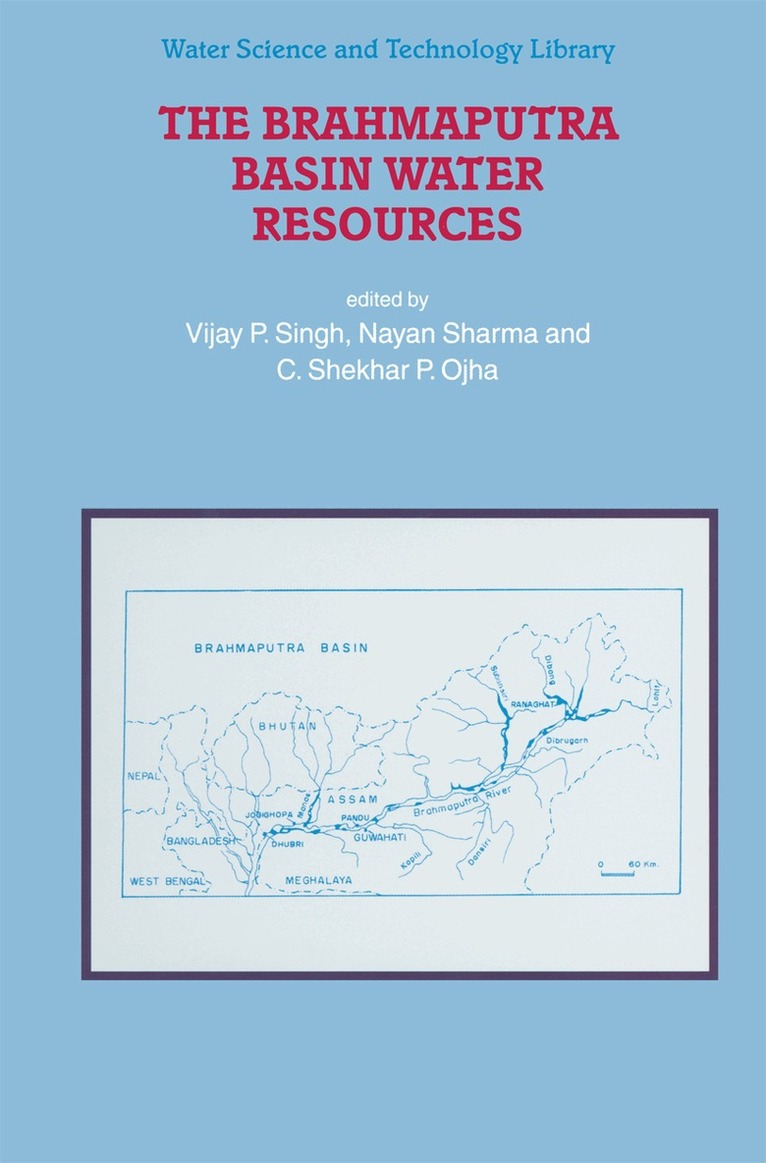
The Brahmaputra River basin is considered the lifeline of India. Lying in the northeast region of India, it represents nearly 30 per cent of India's water resources potential and 41 per cent of its total hydropower. In terms of the average discharge, it is the fifth largest river in the world. These resources notwithstanding, the northeast region remains woefully underdeveloped. A sustainable development of this region cannot be achieved without water resources development of the Brahmaputra River basin. To that end, an integrated basin-wide approach is needed, combining social, political, economic, administrative , cultural, and legal considerations with scientific and technological paradigms. It must involve people's participation. This book pools together the expertise, the in-depth knowledge and the experience of the people representing different disciplines bearing on the development of water resources. All the contributors have been connected closely with the Brahmaputra basin for many years. Audience: This work will be of interest to researchers involved in the study of water resources management, sustainable development, environmental development, climatic change, and hydro
Häftad, Engelska, 2010
2 174 kr
Skickas inom 10-15 vardagar
The Brahmaputra River is a precious gift of Nature to India and especially to its northeast region. The meaning of this gift becomes evident immediately when one considers the vastness of water resources which the Brahmaputra River basin possesses. Nearly 30% of India's water resources potential and 41% of the country's total hydropower potential are found in this basin. In terms of the average discharge, the Brahmaputra River is the fifth largest river in the world. Traversing a distance of about 2,900 kilometers from Tibet at an elevation of 5,150 meters to the Bay of Bengal and draining an area of nearly 1. 6 million square kilometres shared by Tibet, India and Bangladesh, it has shaped the social, economic, cultural, religious, political, and linguistic fabric of the northeast region of India from time immemorial. Its majestic disposition is nothing short of poetic. The northeast region has a colourful ethnic and non-ethnic population and represents almost a miniature India. Its biodiversity of flora and fauna and other natural ecosystems is unsurpassable. The northeast region of India is endowed with enormous natural resources and the huge potential of the Brahmaputra River basin. These resources notwithstanding, this part of India remains woefully underdeveloped. The current state of low development of the northeast region can arguably be attributed to a multitude of factors.
Del 66 - Water Science and Technology Library
Yamuna River Basin
Water Resources and Environment
Inbunden, Engelska, 2011
1 633 kr
Skickas inom 10-15 vardagar
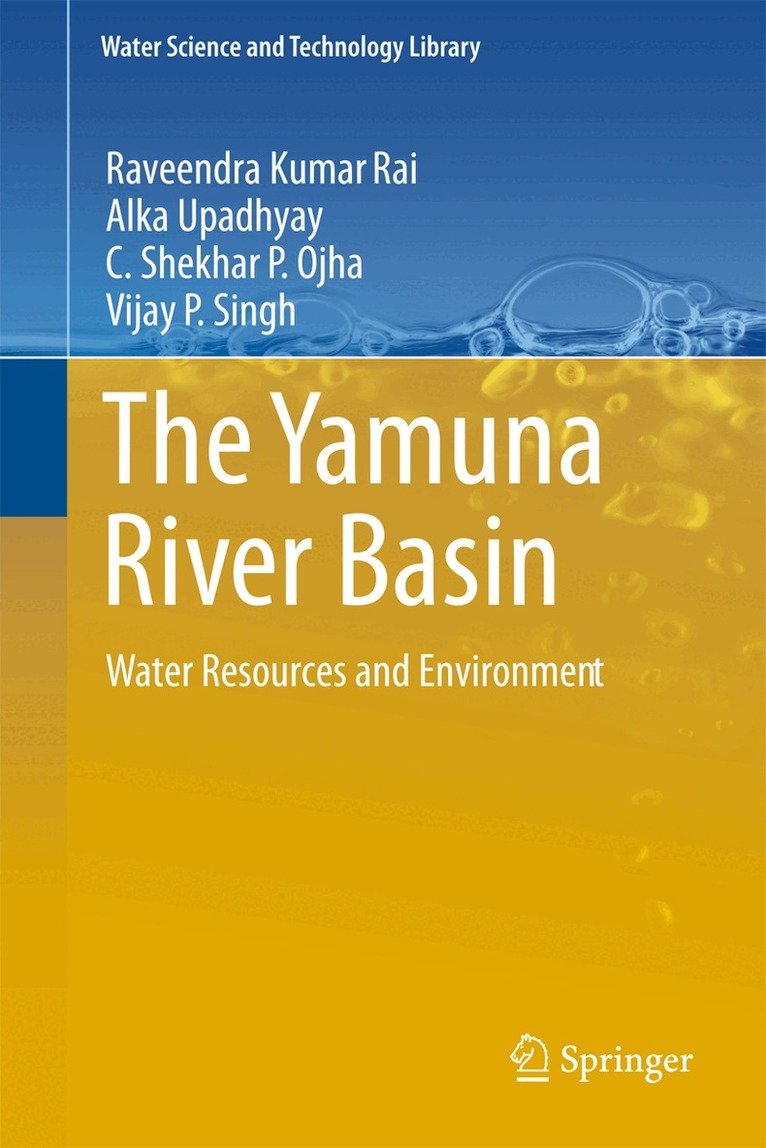
This book is designed to provide concepts, methodologies, and approaches for river basin studies with respect to water resources and environment. The book is not limited to the Yamuna River basin, but will help in the study of various other river basins for integrated water resources management. The book covers the essential components of integrated water resources management, including analysis of climatic variables, climate change detection, analysis of natural resources, geology, geomorphology, socio-economics, water budgeting, flood estimation, river pollution, etc. Furthermore, the book addresses recent issues pertaining to water quality, water quality indices, environmental flows, water resources management through cropping pattern change, etc. along with methodologies and application to the Yamuna River system. However, the main objective of this book is to address important issues of water resources management of river basins. Audience: The manuscript has been designed so that it can be used as a reference for river basin studies. The book will be useful to engineers, agricultural scientists, environmentalists, planners, managers, and administrators who are concerned with water resources.
E-bok
PDF, Engelska, 20111 519 kr
Läs direkt efter köp
This book is designed to provide concepts, methodologies, and approaches for river basin studies with respect to water resources and environment. The book is not limited to the Yamuna River basin, but will help in the study of various other river basins for integrated water resources management. The book covers the essential components of integrated water resources management, including analysis of climatic variables, climate change detection, analysis of natural resources, geology, geomorphology, socio-economics, water budgeting, flood estimation, river pollution, etc. Furthermore, the book addresses recent issues pertaining to water quality, water quality indices, environmental flows, water resources management through cropping pattern change, etc. along with methodologies and application to the Yamuna River system. However, the main objective of this book is to address important issues of water resources management of river basins. Audience: The manuscript has been designed so that it can be used as a reference for river basin studies. The book will be useful to engineers, agricultural scientists, environmentalists, planners, managers, and administrators who are concerned with water resources.
Del 66 - Water Science and Technology Library
Yamuna River Basin
Water Resources and Environment
Häftad, Engelska, 2013
1 199 kr
Skickas inom 10-15 vardagar
This book is designed to provide concepts, methodologies, and approaches for river basin studies with respect to water resources and environment. The book is not limited to the Yamuna River basin, but will help in the study of various other river basins for integrated water resources management. The book covers the essential components of integrated water resources management, including analysis of climatic variables, climate change detection, analysis of natural resources, geology, geomorphology, socio-economics, water budgeting, flood estimation, river pollution, etc. Furthermore, the book addresses recent issues pertaining to water quality, water quality indices, environmental flows, water resources management through cropping pattern change, etc. along with methodologies and application to the Yamuna River system. However, the main objective of this book is to address important issues of water resources management of river basins. Audience: The manuscript has been designed so that it can be used as a reference for river basin studies. The book will be useful to engineers, agricultural scientists, environmentalists, planners, managers, and administrators who are concerned with water resources.
E-bok
PDF, Engelska, 20132 765 kr
Läs direkt efter köp
The Brahmaputra River is a precious gift of Nature to India and especially to its northeast region. The meaning of this gift becomes evident immediately when one considers the vastness of water resources which the Brahmaputra River basin possesses. Nearly 30% of India''s water resources potential and 41% of the country''s total hydropower potential are found in this basin. In terms of the average discharge, the Brahmaputra River is the fifth largest river in the world. Traversing a distance of about 2,900 kilometers from Tibet at an elevation of 5,150 meters to the Bay of Bengal and draining an area of nearly 1. 6 million square kilometres shared by Tibet, India and Bangladesh, it has shaped the social, economic, cultural, religious, political, and linguistic fabric of the northeast region of India from time immemorial. Its majestic disposition is nothing short of poetic. The northeast region has a colourful ethnic and non-ethnic population and represents almost a miniature India. Its biodiversity of flora and fauna and other natural ecosystems is unsurpassable. The northeast region of India is endowed with enormous natural resources and the huge potential of the Brahmaputra River basin. These resources notwithstanding, this part of India remains woefully underdeveloped. The current state of low development of the northeast region can arguably be attributed to a multitude of factors.