713 kr
Camilla Sandstrom – författare
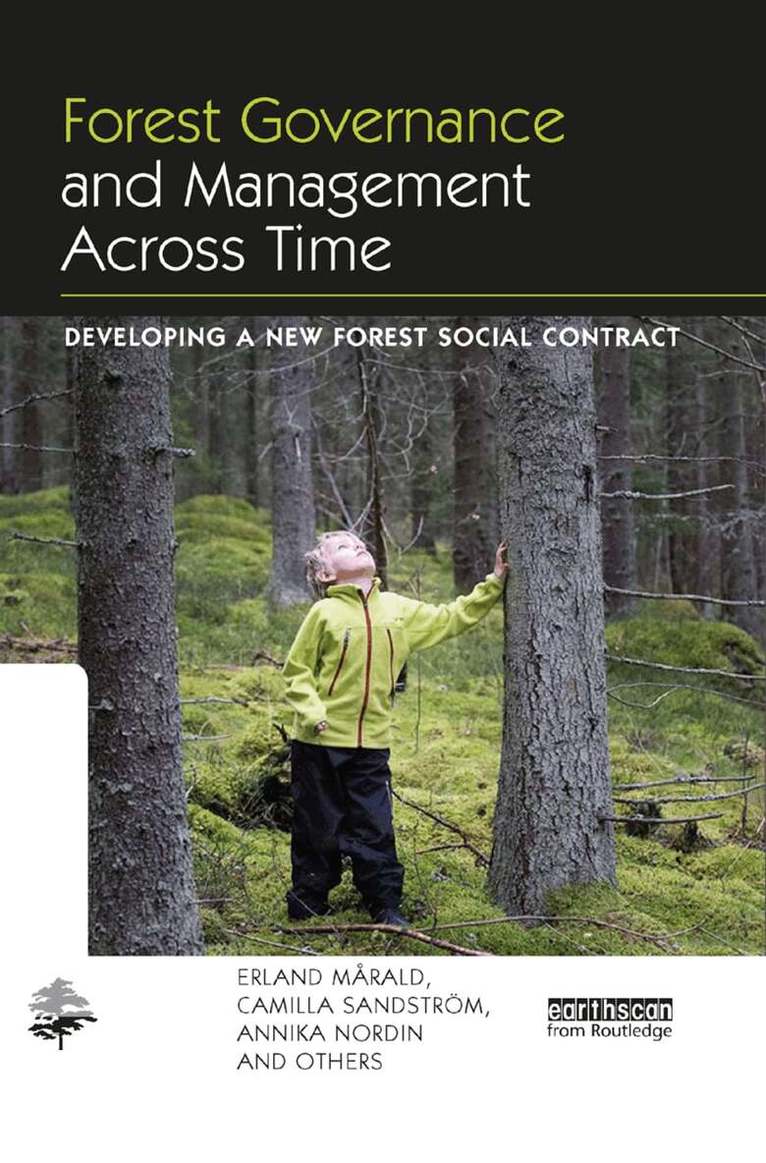
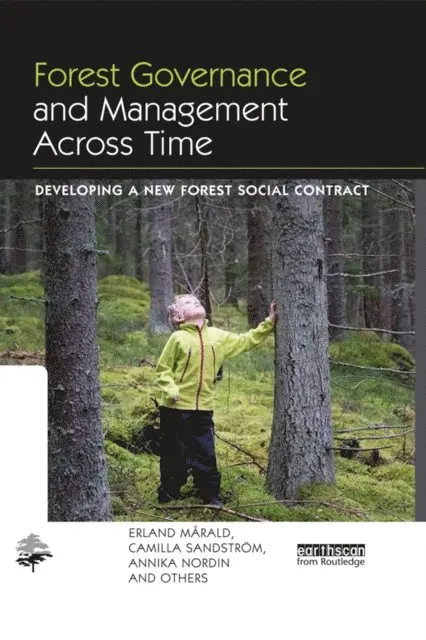
- Häftad, Engelska, 2019The influence of the past, and of the future on current-time tradeoffs in the forest arena are particularly relevant given the long-term successions in forest landscapes and the hundred years’ rotations in forestry. Historically established path dependencies and conflicts determine our present situation and delimit what is possible to achieve. Similarly, future trends and desires have a large influence on decision making. Nevertheless, decisions about forest governance and management are always made in the present – in the present-time appraisal of the developed situation, future alternatives and in negotiation between different perspectives, interests, and actors.This book explores historic and future outlooks as well as current tradeoffs and methods in forest governance and management. It emphasizes the generality and complexity with empirical data from Sweden and internationally. It first investigates, from a historical perspective, how previous forest policies and discourses have influenced current forest governance and management. Second, it considers methods to explore alternative forest futures and how the results from such investigations may influence the present. Third, it examines current methods of balancing tradeoffs in decision-making among ecosystem services. Based on the findings the authors develop an integrated approach – Reflexive Forestry – to support exchange of knowledge and understandings to enable capacity building and the establishment of common ground. Such societal agreements, or what the authors elaborate as forest social contracts, are sets of relational commitment between involved actors that may generate mutual action and a common directionality to meet contemporary challenges.
- Inbunden, Engelska, 2017
2 473 kr
Skickas inom 10-15 vardagar
The influence of the past, and of the future on current-time tradeoffs in the forest arena are particularly relevant given the long-term successions in forest landscapes and the hundred years’ rotations in forestry. Historically established path dependencies and conflicts determine our present situation and delimit what is possible to achieve. Similarly, future trends and desires have a large influence on decision making. Nevertheless, decisions about forest governance and management are always made in the present – in the present-time appraisal of the developed situation, future alternatives and in negotiation between different perspectives, interests, and actors.This book explores historic and future outlooks as well as current tradeoffs and methods in forest governance and management. It emphasizes the generality and complexity with empirical data from Sweden and internationally. It first investigates, from a historical perspective, how previous forest policies and discourses have influenced current forest governance and management. Second, it considers methods to explore alternative forest futures and how the results from such investigations may influence the present. Third, it examines current methods of balancing tradeoffs in decision-making among ecosystem services. Based on the findings the authors develop an integrated approach – Reflexive Forestry – to support exchange of knowledge and understandings to enable capacity building and the establishment of common ground. Such societal agreements, or what the authors elaborate as forest social contracts, are sets of relational commitment between involved actors that may generate mutual action and a common directionality to meet contemporary challenges. - E-bokEngelska, 2016
733 kr
Läs direkt efter köp
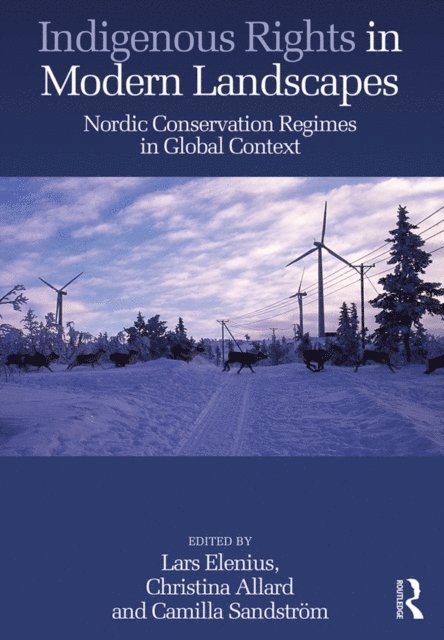
This book examines the diverse use of Indigenous customary rights in modern landscapes from a multidisciplinary perspective. Divided into two parts, the first deals explicitly with Sámi customary rights in relation to nature conservation in the Nordic countries and Russia from a legal and historical perspective. The authors investigate how longstanding Sámi customary territorial rights have been reassessed in the context of new kinds of legislation regarding Indigenous people. They also look at the ideas behind the historical models of nature conservation. The second part deals with the ideas and implementation of new kinds of postcolonial models of nature conservation. The case of the Sámi is compared with other Indigenous people internationally with cases from Australia, New Zealand, Canada and India. The work investigates how the governance of protected areas has been influenced by the principles of equality and positive discrimination, and how it has affected the possibilities of establishing adaptive co-management arrangements for specific areas. How the legal situation of Indigenous peoples has been recognised in an international context is also investigated. The volume provides a multidisciplinary analysis of how the customary livelihood of Indigenous people has adapted to modern industrialised landscapes and also how postcolonial approaches have contributed to global changes of Indigenous rights and nature conservation models. - E-bokPDF, Engelska, 2016
733 kr
Läs direkt efter köp
This book examines the diverse use of Indigenous customary rights in modern landscapes from a multidisciplinary perspective. Divided into two parts, the first deals explicitly with Sámi customary rights in relation to nature conservation in the Nordic countries and Russia from a legal and historical perspective. The authors investigate how longstanding Sámi customary territorial rights have been reassessed in the context of new kinds of legislation regarding Indigenous people. They also look at the ideas behind the historical models of nature conservation. The second part deals with the ideas and implementation of new kinds of postcolonial models of nature conservation. The case of the Sámi is compared with other Indigenous people internationally with cases from Australia, New Zealand, Canada and India. The work investigates how the governance of protected areas has been influenced by the principles of equality and positive discrimination, and how it has affected the possibilities of establishing adaptive co-management arrangements for specific areas. How the legal situation of Indigenous peoples has been recognised in an international context is also investigated. The volume provides a multidisciplinary analysis of how the customary livelihood of Indigenous people has adapted to modern industrialised landscapes and also how postcolonial approaches have contributed to global changes of Indigenous rights and nature conservation models. - E-bokPDF, Engelska, 2017
830 kr
Läs direkt efter köp
The influence of the past, and of the future on current-time tradeoffs in the forest arena are particularly relevant given the long-term successions in forest landscapes and the hundred years’ rotations in forestry. Historically established path dependencies and conflicts determine our present situation and delimit what is possible to achieve. Similarly, future trends and desires have a large influence on decision making. Nevertheless, decisions about forest governance and management are always made in the present – in the present-time appraisal of the developed situation, future alternatives and in negotiation between different perspectives, interests, and actors.
This book explores historic and future outlooks as well as current tradeoffs and methods in forest governance and management. It emphasizes the generality and complexity with empirical data from Sweden and internationally. It first investigates, from a historical perspective, how previous forest policies and discourses have influenced current forest governance and management. Second, it considers methods to explore alternative forest futures and how the results from such investigations may influence the present. Third, it examines current methods of balancing tradeoffs in decision-making among ecosystem services. Based on the findings the authors develop an integrated approach – Reflexive Forestry – to support exchange of knowledge and understandings to enable capacity building and the establishment of common ground. Such societal agreements, or what the authors elaborate as forest social contracts, are sets of relational commitment between involved actors that may generate mutual action and a common directionality to meet contemporary challenges.