
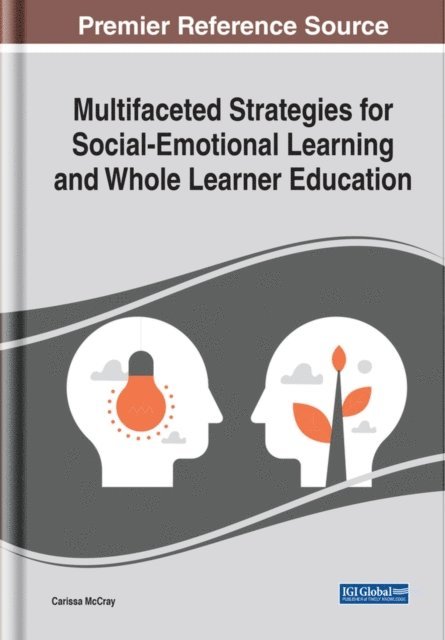
With the turmoil and conflict that has been present in recent times, it is imperative that new methods of teaching are explored in order to produce emotionally secure and connected individuals. Social-emotional learning and whole learner education has emerged as a strategy to ensure that students are actively engaged in learning, the school, and their community. It teaches them tactics that allow them to better manage their emotions, maintain positive relationships, and make responsible decisions. It is imperative that the whole learner is supported and encouraged to ensure proper mental health, academic achievement, and social responsibility of current and future generations. Multifaceted Strategies for Social-Emotional Learning and Whole Learner Education is a critical research publication that supports teachers who wish to utilize these teaching theories to meet their students' needs academically, socially, and emotionally and to ensure that they become lifelong learners. Highlighting topics such as adult learners, professional development, and culturally responsive education, this book is ideal for teachers, guidance counselors, researchers, academicians, and students who want to improve their understanding of learners and their social-emotional growth at various stages of learning, to find strategies that will assist in the development of any learner, and to find strategic models that promote lifelong learning.
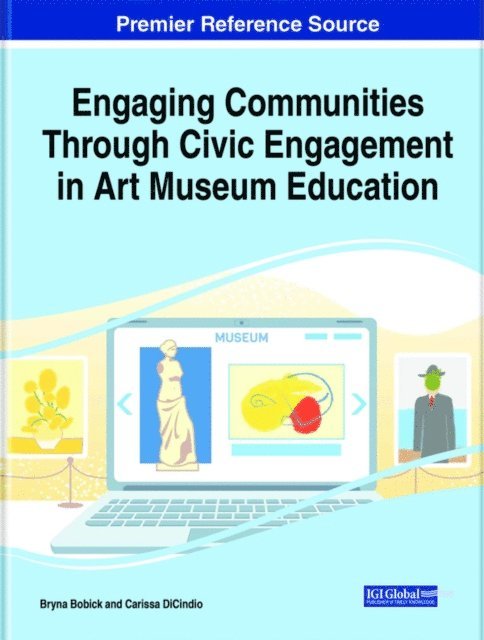
As art museum educators become more involved in curatorial decisions and creating opportunities for community voices to be represented in the galleries of the museum, museum education is shifting from responding to works of art to developing authentic opportunities for engagement with their communities. Current research focuses on museum education experiences and the wide-reaching benefits of including these experiences into art education courses. As more universities add art museum education to their curricula, there is a need for a text to support the topic and offer examples of real-world museum education experiences. Engaging Communities Through Civic Engagement in Art Museum Education deepens knowledge on museum and art education and civic engagement and bridges the gap from theory to practice. The chapters focus on various sectors of this research, including diversity and inclusion in museum experiences, engaging communities through new techniques, and museum and university partnerships. As such, it includes coverage on timely topics that include programs and audience engagement with the LGBTQ+, refugee, disability, and senior communities; socially responsive museum pedagogy; and the use of student workers. This book is ideal for museum educators, museum directors, curators, professionals, practitioners, researchers, academicians, and students who are interested in updated knowledge and research in art education, curriculum development, and civic engagement.
With the turmoil and conflict that has been present in recent times, it is imperative that new methods of teaching are explored in order to produce emotionally secure and connected individuals. Social-emotional learning and whole learner education has emerged as a strategy to ensure that students are actively engaged in learning, the school, and their community. It teaches them tactics that allow them to better manage their emotions, maintain positive relationships, and make responsible decisions. It is imperative that the whole learner is supported and encouraged to ensure proper mental health, academic achievement, and social responsibility of current and future generations. Multifaceted Strategies for Social-Emotional Learning and Whole Learner Education is a critical research publication that supports teachers who wish to utilize these teaching theories to meet their students' needs academically, socially, and emotionally and to ensure that they become lifelong learners. Highlighting topics such as adult learners, professional development, and culturally responsive education, this book is ideal for teachers, guidance counselors, researchers, academicians, and students who want to improve their understanding of learners and their social-emotional growth at various stages of learning, to find strategies that will assist in the development of any learner, and to find strategic models that promote lifelong learning.
As art museum educators become more involved in curatorial decisions and creating opportunities for community voices to be represented in the galleries of the museum, museum education is shifting from responding to works of art to developing authentic opportunities for engagement with their communities. Current research focuses on museum education experiences and the wide-reaching benefits of including these experiences into art education courses. As more universities add art museum education to their curricula, there is a need for a text to support the topic and offer examples of real-world museum education experiences. Engaging Communities Through Civic Engagement in Art Museum Education deepens knowledge on museum and art education and civic engagement and bridges the gap from theory to practice. The chapters focus on various sectors of this research, including diversity and inclusion in museum experiences, engaging communities through new techniques, and museum and university partnerships. As such, it includes coverage on timely topics that include programs and audience engagement with the LGBTQ+, refugee, disability, and senior communities; socially responsive museum pedagogy; and the use of student workers. This book is ideal for museum educators, museum directors, curators, professionals, practitioners, researchers, academicians, and students who are interested in updated knowledge and research in art education, curriculum development, and civic engagement.