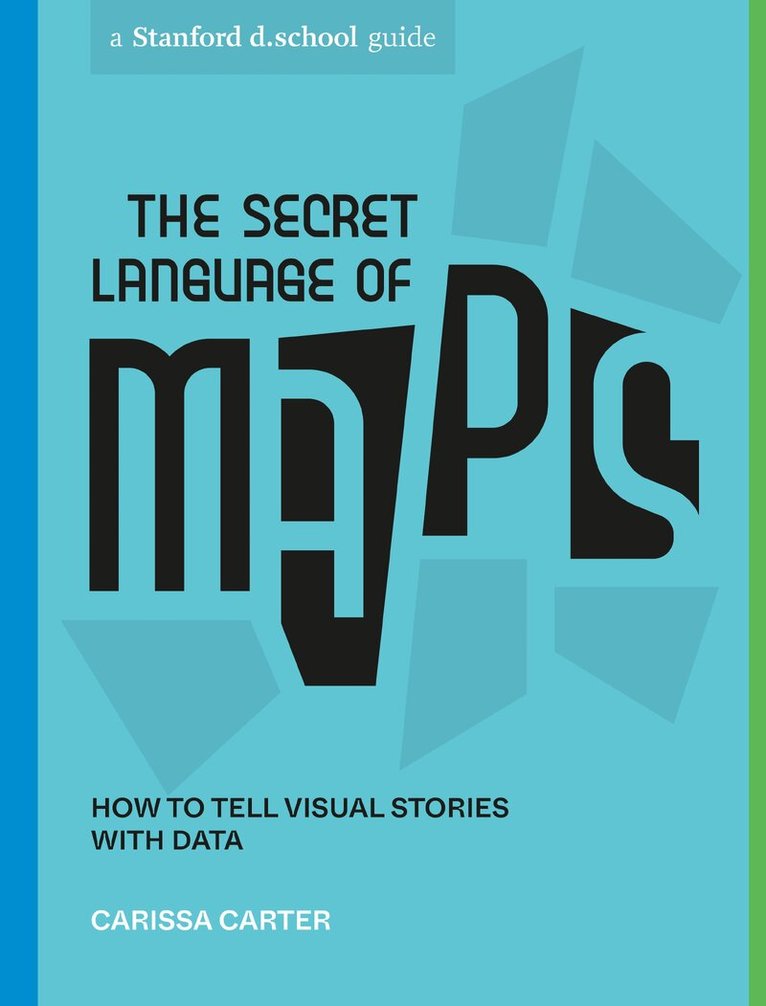
A highly visual exploration of diagrams and data that helps you understand how "maps" are part of everyday thinking, how they tell stories, and how they can reframe your point of view, from Stanford University's world-renowned d.school.“This book is the ultimate legend to mapping all kinds of data.”—Jessica Hagy, Webby Award-winning blogger of Indexed and author of How to Be Interesting (In Ten Simple Steps) Maps aren’t just geographic, they are also infographic and include all types of frameworks and diagrams. Any figure that sorts data visually and presents it spatially is a map. Maps are ways of organizing information and figuring out what’s important. Even stories can be mapped! The Secret Language of Maps provides a simple framework to deconstruct existing maps and then shows you how to create your own.An embedded mystery story about a woman who investigates the disappearance of an old high school friend illustrates how to use different maps to make sense of all types of information. Colorful illustrations bring the story to life and demonstrate how the fictional character’s collection of data, properly organized and “mapped,” leads her to solve the mystery of her friend’s disappearance.You’ll learn how to gather data, organize it, and present it to an audience. You’ll also learn how to view the many maps that swirl around our daily lives with a critical eye, aware of the forces that are in play for every creator.
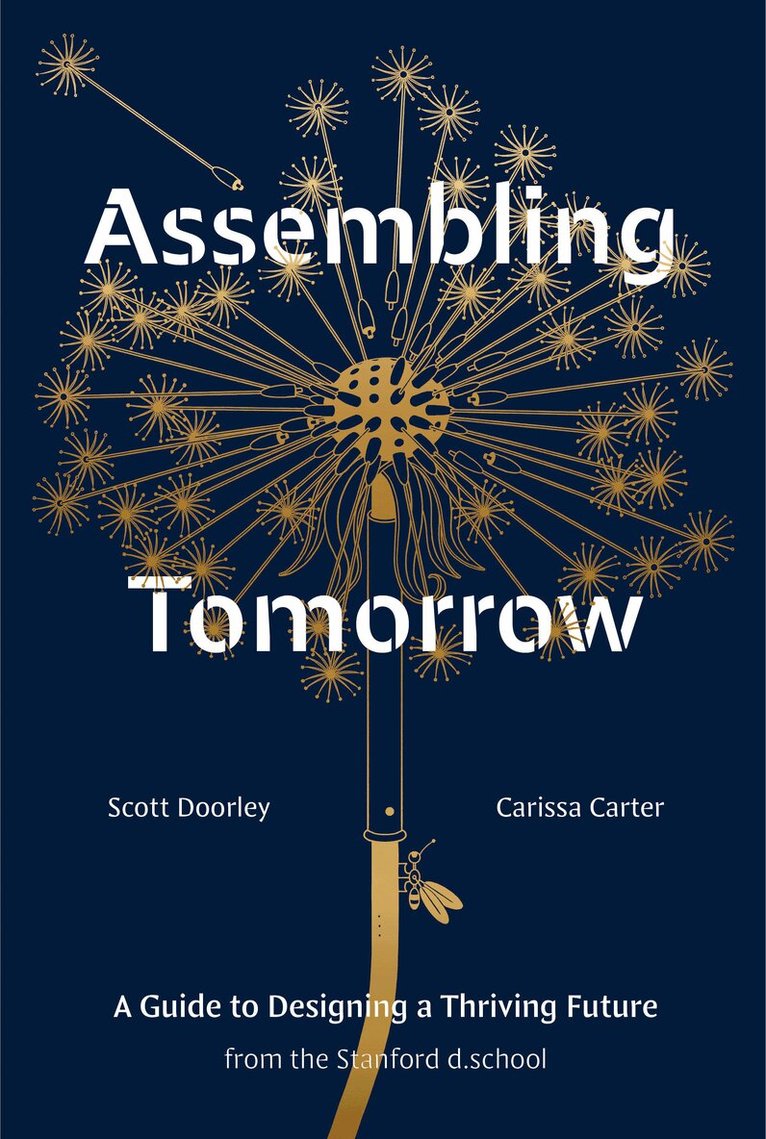
A powerful guide to why even the most well-intentioned innovations go haywire, and the surprising ways we can change course to create a more positive future, by two celebrated experts working at the intersection of design, technology, and learning at Stanford University’s acclaimed d.school.“This brilliant book offers a new approach to all creative work that will expand your understanding of what it means to make and open up possibilities you didn’t know existed—it did for me.”—Adam Johnson, Pulitzer Prize-winning author of The Orphan Master’s SonIn Assembling Tomorrow, authors Scott Doorley and Carissa Carter explore the intangible forces that prevent us from anticipating just how fantastically technology can get out of control, and what might be in store for us if we don’t start using new tools and tactics. Despite our best intentions, our most transformative innovations tend to have consequences we can’t always predict. From the effects of social media to the uncertainty of AI and the consequences of climate change, the outcomes of our creations ripple across our lives. Time and again, our seemingly ceaseless capacity to create rubs up against our limited capacity to understand our impact. Assembling Tomorrow explores how to use readily accessible tools to both mend the mistakes of our past and shape our future for the better. We live in an era of “runaway design,” where innovations tangle with our lives in unpredictable ways. This book explores the off-kilter feelings of today and follows up with actionables to alter your perspective and help you find opportunities in these turbulent times. Mixed throughout are histories of the future, short pieces of speculative fiction that imagine the future as if it has already happened and consider the past with a critical yet hopeful eye so that all of us—as designers of our own futures—can create a better world for generations to come.
A highly visual exploration of diagrams and data that helps you understand how "maps" are part of everyday thinking, how they tell stories, and how they can reframe your point of view, from Stanford University's world-renowned d.school.“This book is the ultimate legend to mapping all kinds of data.”—Jessica Hagy, Webby Award-winning blogger of Indexed and author of How to Be Interesting (In Ten Simple Steps) Maps aren’t just geographic, they are also infographic and include all types of frameworks and diagrams. Any figure that sorts data visually and presents it spatially is a map. Maps are ways of organizing information and figuring out what’s important. Even stories can be mapped! The Secret Language of Maps provides a simple framework to deconstruct existing maps and then shows you how to create your own.An embedded mystery story about a woman who investigates the disappearance of an old high school friend illustrates how to use different maps to make sense of all types of information. Colorful illustrations bring the story to life and demonstrate how the fictional character’s collection of data, properly organized and “mapped,” leads her to solve the mystery of her friend’s disappearance.You’ll learn how to gather data, organize it, and present it to an audience. You’ll also learn how to view the many maps that swirl around our daily lives with a critical eye, aware of the forces that are in play for every creator.
A powerful guide to why even the most well-intentioned innovations go haywire, and the surprising ways we can change course to create a more positive future, by two celebrated experts working at the intersection of design, technology, and learning at Stanford University’s acclaimed d.school.“This brilliant book offers a new approach to all creative work that will expand your understanding of what it means to make and open up possibilities you didn’t know existed—it did for me.”—Adam Johnson, Pulitzer Prize-winning author of The Orphan Master’s SonIn Assembling Tomorrow, authors Scott Doorley and Carissa Carter explore the intangible forces that prevent us from anticipating just how fantastically technology can get out of control, and what might be in store for us if we don’t start using new tools and tactics. Despite our best intentions, our most transformative innovations tend to have consequences we can’t always predict. From the effects of social media to the uncertainty of AI and the consequences of climate change, the outcomes of our creations ripple across our lives. Time and again, our seemingly ceaseless capacity to create rubs up against our limited capacity to understand our impact. Assembling Tomorrow explores how to use readily accessible tools to both mend the mistakes of our past and shape our future for the better. We live in an era of “runaway design,” where innovations tangle with our lives in unpredictable ways. This book explores the off-kilter feelings of today and follows up with actionables to alter your perspective and help you find opportunities in these turbulent times. Mixed throughout are histories of the future, short pieces of speculative fiction that imagine the future as if it has already happened and consider the past with a critical yet hopeful eye so that all of us—as designers of our own futures—can create a better world for generations to come.