Carl Boyd – författare
Visar alla böcker från författaren . Handla med fri frakt och snabb leverans.
3 produkter
3 produkter
Häftad, Engelska, 1993
337 kr
Skickas inom 10-15 vardagar
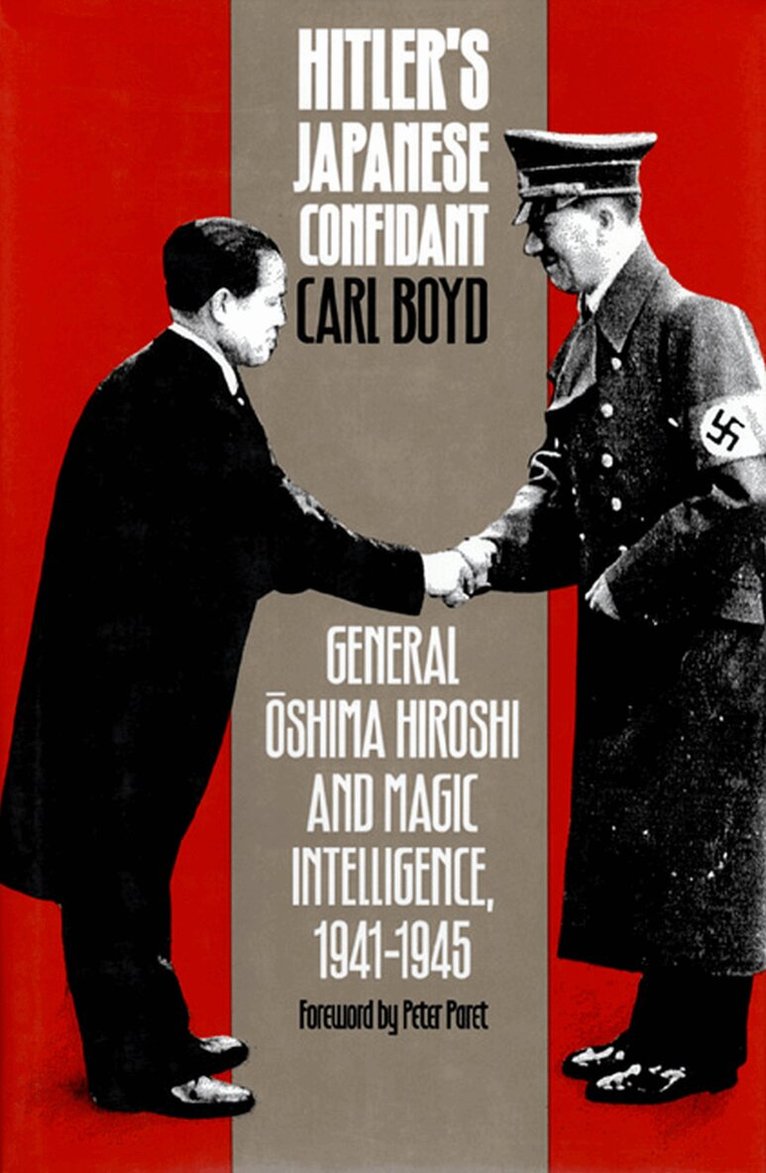
In 1940 the U.S. Army Signal Intelligence Service broke the Japanese diplomatic code. In 1975 Oshima Hiroshi, Japan's ambassador to Berlin during World War II, died, never knowing that the hundreds of messages he transmitted to Tokyo had been fully decoded by the Americans and whisked off to Washington, providing a major source of information for the Allies on Nazi activities.Resurrecting Oshima's decoded communications, which had remained classified for several decades, Carl Boyd provides a unique look at the Nazis from the perspective of a close foreign observer and ally. He uses Oshima's own words to reveal the thought and strategies of Adolf Hitler and other high-ranking Nazis, with whom Oshima associated. In addition to providing illuminating insight into Nazi activities and attitudes - military buildup in North Africa, the unwillingness to accept a separate peace with the Soviets - Boyd illustrates the functions of MAGIC. He demonstrates how that intelligence, gathered by teams of American cryptographers, influenced Allied strategy and helped bring about the downfall of Hitler and his Japanese confidant.
Häftad, Engelska, 2013
259 kr
Skickas inom 5-8 vardagar
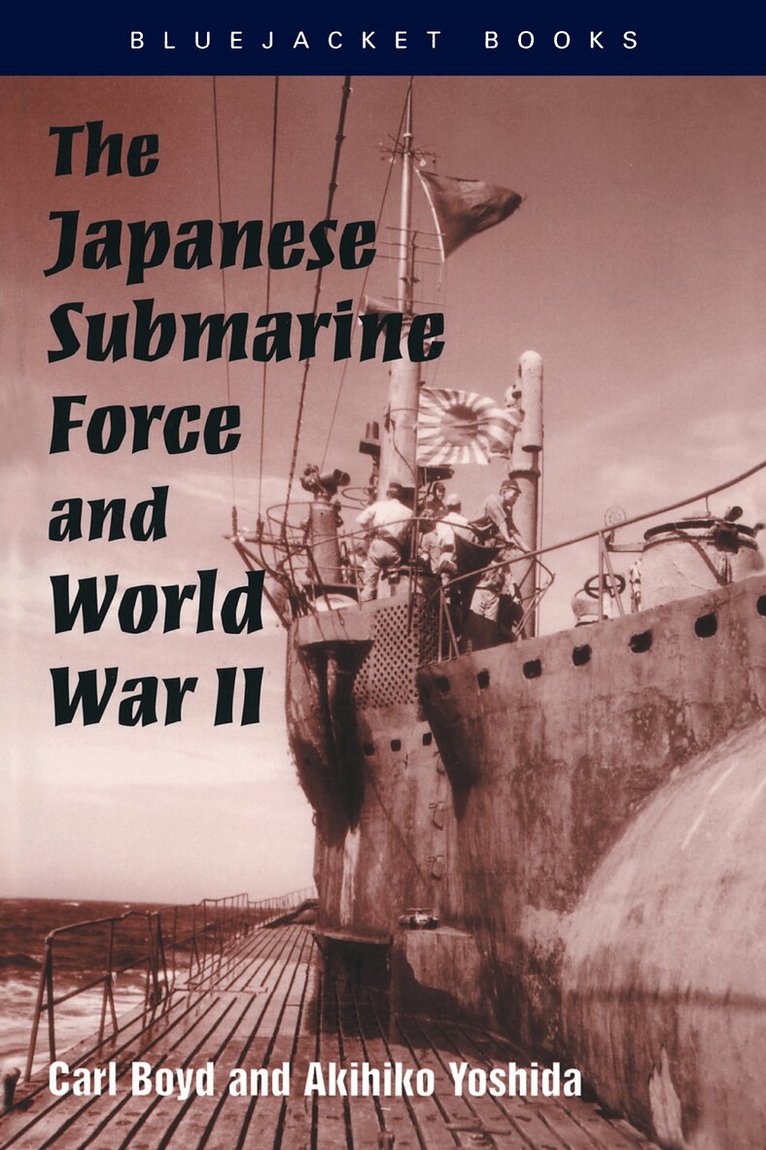
When first published in 1995, this book was hailed as an absolutely indispensable contribution to the history of the Pacific War. Drawing heavily from Japanese sources and American wartime intercepts of secret Japanese radio messages, a noted American naval historian and a Japanese mariner painstakingly recorded and evaluated a diverse array of material about Japan's submarines in World War II.The study begins with the development of the first Japanese 103-ton Holland-type submergible craft in 1905 and continues through the 1945 surrender of the largest submarine in the world at the time, the 5300-ton I-400 class that carried three airplanes. Submarine weapons, equipment, personnel, and shore support systems are discussed first in the context of Japanese naval preparations for war and later during the war. Both successes and missed opportunities are analyzed in operations ranging from the California coast through the Pacific and Indian Oceans to the coast of German-occupied France. Appendixes include lists of Japanese submarine losses and the biographies of key Japanese submarine officers. Rare illustrations and specifically commissioned operational maps enhance the text.
E-bok
Engelska, 2012344 kr
Läs direkt efter köp
When first published in 1995, this book was hailed as an absolutely indispensable contribution to the history of the Pacific War. Drawing heavily from Japanese sources and American wartime intercepts of secret Japanese radio messages, a noted American naval historian and a Japanese mariner painstakingly recorded and evaluated a diverse array of material about Japan''s submarines in World War II.The study begins with the development of the first Japanese 103-ton Holland-type submergible craft in 1905 and continues through the 1945 surrender of the largest submarine in the world at the time, the 5300-ton I-400 class that carried three airplanes. Submarine weapons, equipment, personnel, and shore support systems are discussed first in the context of Japanese naval preparations for war and later during the war. Both successes and missed opportunities are analyzed in operations ranging from the California coast through the Pacific and Indian Oceans to the coast of German-occupied France. Appendixes include lists of Japanese submarine losses and the biographies of key Japanese submarine officers. Rare illustrations and specifically commissioned operational maps enhance the text.