Carl H. Botan – Författare
Visar alla böcker från författaren Carl H. Botan. Handla med fri frakt och snabb leverans.
7 produkter
7 produkter
1 087 kr
Skickas inom 7-10 vardagar
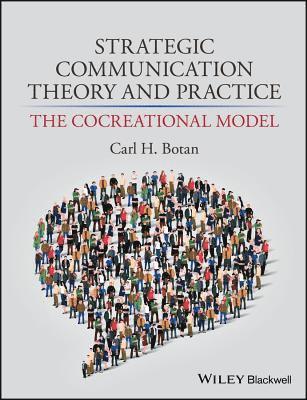
A guide to strategic communication that can be applied across a range of subfields at all three levels—grand strategic, strategic, and tactical communicationCommunication is a core function of every human organization so when you work with communication you are working with the very core of the organization. Written for students, academics, and professionals, Strategic Communication Theory and Practice: The Cocreational Model argues for a single unified field of strategic communication based in the three large core subfields of public relations, marketing communication, and health communication, as well as strategic communicators working in many other subfields such as political communication, issues management, crisis communication, risk communication, environmental and science communication, social movements, counter terrorism communication, public diplomacy, public safety and disaster management, and others. Strategic Communication Theory and Practice is built around a cocreational model that shifts the focus from organizational needs and the messages crafted to achieve them, to a publics-centered view placing publics and their ability to cocreate new meanings squarely in the center of strategic communication theory and practice. The author—a noted expert in the field—outlines the theories, campaign strategies, common issues, and cutting edge challenges facing strategic communication, including the role of social media, ethics, and intercultural strategic communication.As the author explains, the term "strategic communication" properly refers only to the planned campaigns that grow out of research and understanding what publics think and want. This vital resource answers the questions of whether, and how, strategic-level skills can be used across fields, as it: Explores the role of theory and the cocreational meta-theory in strategic communicationOutlines ethical practices and problems in the fieldIncludes information on basic campaign strategiesOffers the most recent information on risk communication, preparedness and terrorism communication, and employment in strategic communicationRedefines major concepts, such as publics, from a cocreational perspective
527 kr
Skickas inom 11-20 vardagar
A guide to strategic communication that can be applied across a range of subfields at all three levels—grand strategic, strategic, and tactical communicationCommunication is a core function of every human organization so when you work with communication you are working with the very core of the organization. Written for students, academics, and professionals, Strategic Communication Theory and Practice: The Cocreational Model argues for a single unified field of strategic communication based in the three large core subfields of public relations, marketing communication, and health communication, as well as strategic communicators working in many other subfields such as political communication, issues management, crisis communication, risk communication, environmental and science communication, social movements, counter terrorism communication, public diplomacy, public safety and disaster management, and others. Strategic Communication Theory and Practice is built around a cocreational model that shifts the focus from organizational needs and the messages crafted to achieve them, to a publics-centered view placing publics and their ability to cocreate new meanings squarely in the center of strategic communication theory and practice. The author—a noted expert in the field—outlines the theories, campaign strategies, common issues, and cutting edge challenges facing strategic communication, including the role of social media, ethics, and intercultural strategic communication.As the author explains, the term "strategic communication" properly refers only to the planned campaigns that grow out of research and understanding what publics think and want. This vital resource answers the questions of whether, and how, strategic-level skills can be used across fields, as it: Explores the role of theory and the cocreational meta-theory in strategic communicationOutlines ethical practices and problems in the fieldIncludes information on basic campaign strategiesOffers the most recent information on risk communication, preparedness and terrorism communication, and employment in strategic communicationRedefines major concepts, such as publics, from a cocreational perspective
847 kr
Skickas inom 10-15 vardagar
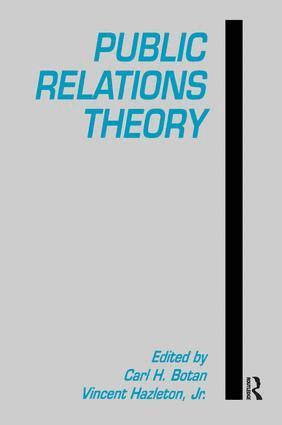
Beginning with the basic premise that public relations can best be understood as a specialized type of communication, the contributors to this volume establish public relations as a vital and viable realm for communication research and theory development. Through the application of communication theories, they attempt to explain and predict public relations practices and then use these practices to develop communication theories. Their discussions fall into three distinct categories: metatheory, theory, and examples of applications of theories. An ideal volume for professionals and students in communication, journalism, and related fields.
2 806 kr
Skickas inom 10-15 vardagar
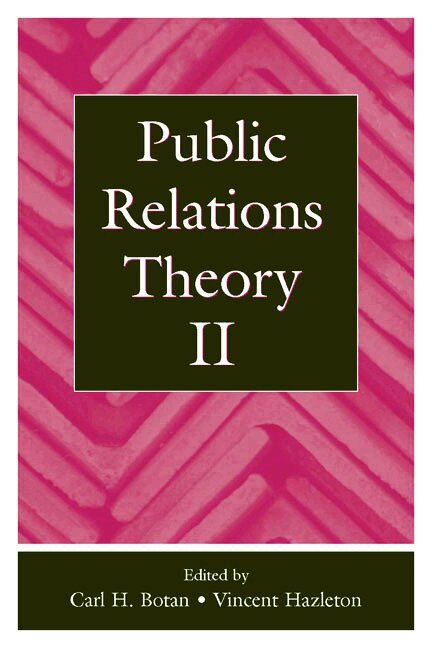
The public relations landscape has changed dramatically from what it was in 1989, when the original Public Relations Theory volume was published. Reflecting the substantial shifts in the intervening years, Public Relations Theory II, while related to the first volume, is more a new work than a revision. Editors Carl H. Botan and Vincent Hazleton have brought together key theorists and scholars in public relations to articulate the current state of public relations theory, chronicling the ongoing evolution of public relations as a field of study. The contributors to this volume represent the key figures in the discipline, and their chapters articulate the significant advances in public relations theory and research.Working from the position that public relations is a theoretically grounded and research based discipline with the potential to bring numerous areas of applied communication together, Botan and Hazleton have developed this volume to open up the public relations field to a broad variety of theories. Organized into two major sections--Foundations, and Tools for Tomorrow--the volume presents four types of chapters: discussions addressing how public relations should be understood and practiced; examinations of theories from other areas applied to public relations; explorations of theories about a specific area of public relations practice; and considerations of public relations theories and research that have not been given sufficient attention in the past or that hold particular promise for the future of public relations. It serves as a thorough overview of the current state of theory in public relations scholarship.Like its predecessor, Public Relations Theory II will be influential in the future development of public relations theory. Taken as a whole, the chapters in this book will help readers develop their own sense of direction for public relations theory. Public Relations Theory II is an essential addition to the library of every public relations scholar, and is appropriate for use in advanced public relations theory coursework as well as for study and reference.
1 015 kr
Skickas inom 10-15 vardagar
The public relations landscape has changed dramatically from what it was in 1989, when the original Public Relations Theory volume was published. Reflecting the substantial shifts in the intervening years, Public Relations Theory II, while related to the first volume, is more a new work than a revision. Editors Carl H. Botan and Vincent Hazleton have brought together key theorists and scholars in public relations to articulate the current state of public relations theory, chronicling the ongoing evolution of public relations as a field of study. The contributors to this volume represent the key figures in the discipline, and their chapters articulate the significant advances in public relations theory and research.Working from the position that public relations is a theoretically grounded and research based discipline with the potential to bring numerous areas of applied communication together, Botan and Hazleton have developed this volume to open up the public relations field to a broad variety of theories. Organized into two major sections--Foundations, and Tools for Tomorrow--the volume presents four types of chapters: discussions addressing how public relations should be understood and practiced; examinations of theories from other areas applied to public relations; explorations of theories about a specific area of public relations practice; and considerations of public relations theories and research that have not been given sufficient attention in the past or that hold particular promise for the future of public relations. It serves as a thorough overview of the current state of theory in public relations scholarship.Like its predecessor, Public Relations Theory II will be influential in the future development of public relations theory. Taken as a whole, the chapters in this book will help readers develop their own sense of direction for public relations theory. Public Relations Theory II is an essential addition to the library of every public relations scholar, and is appropriate for use in advanced public relations theory coursework as well as for study and reference.
1 916 kr
Skickas inom 7-10 vardagar
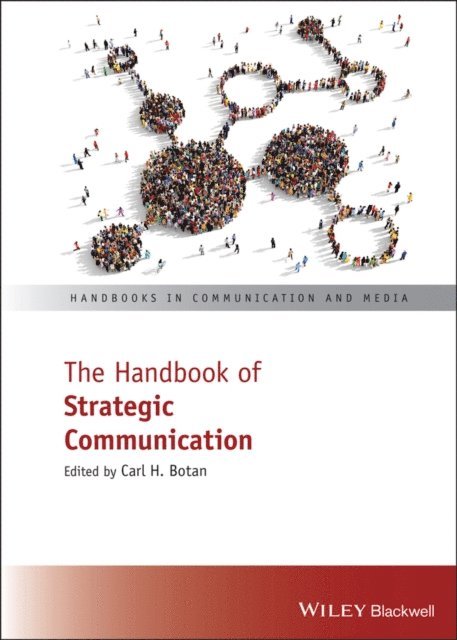
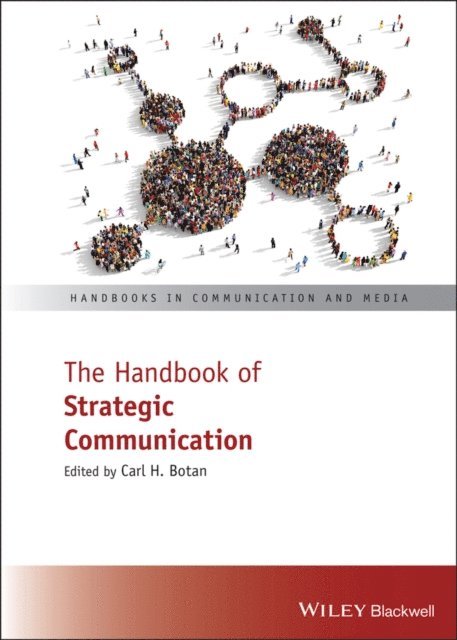
Presents cocreational perspectives on current international practices and theories relevant to strategic communicationThe Handbook of Strategic Communication brings together work from leading scholars and practitioners in the field to explore the many practical, national and cultural differences in modern approaches to strategic communication. Designed to provide a coherent understanding of strategic communication across various subfields, this authoritative volume familiarizes practitioners, researchers, and advanced students with an inclusive range of international practices, current theories, and contemporary debates and issues in this dynamic, multidisciplinary field.This Handbook covers an expansive range of strategic communication models, theories, and applications, comprising two dozen in-depth chapters written by international scholars and practitioners. In-depth essays discuss the three core areas of strategic communication—public relations, marketing communication, and health communication—and their many subfields, such as political communication, issues management, crisis and risk communication, environmental and science communication, public diplomacy, disaster management, strategic communication for social movements and religious communities, and many others. This timely volume: Challenges common assumptions about the narrowness of strategic communicationHighlights ongoing efforts to unify the understanding and practice of strategic communication across a range of subfieldsDiscusses models and theories applied to diverse areas such as conflict resolution, research and evaluation, tobacco control, climate change, and counter terrorism strategic communicationExamines current research and models of strategic communication, such as the application of the CAUSE Model to climate change communicationExplores strategic communication approaches in various international contexts, including patient-oriented healthcare in Russia, road and tunnel safety in Norway, public sector communication in Turkey, and ethical conflict resolution in GuatemalaThe Handbook of Strategic Communication is an indispensable resource for practitioners, researchers, scholars, and students involved in any aspect of strategic communication across its many subfields.
2 792 kr
Skickas inom 10-15 vardagar
Beginning with the basic premise that public relations can best be understood as a specialized type of communication, the contributors to this volume establish public relations as a vital and viable realm for communication research and theory development. Through the application of communication theories, they attempt to explain and predict public relations practices and then use these practices to develop communication theories. Their discussions fall into three distinct categories: metatheory, theory, and examples of applications of theories. An ideal volume for professionals and students in communication, journalism, and related fields.