Carl Rollyson – författare
Visar alla böcker från författaren Carl Rollyson. Handla med fri frakt och snabb leverans.
79 produkter
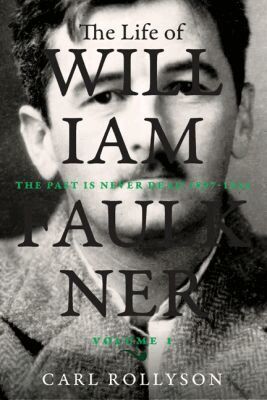
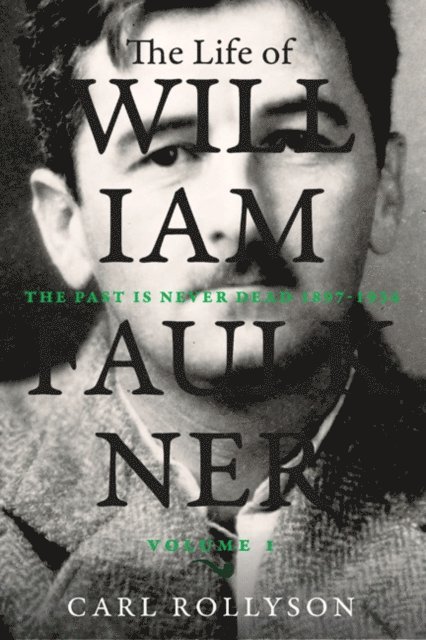
Life of William Faulkner
The Past Is Never Dead, 1897-1934
Inbunden, 2020
457 kr
Lägg i varukorg
Awarded the Nobel Prize in Literature in 1949, William Faulkner was a southerner who became widely regarded as one of the greatest American writers of all time. Despite being such a studied figure, however, to date no biography has captured the complexities at the heart of the man and his work. In …
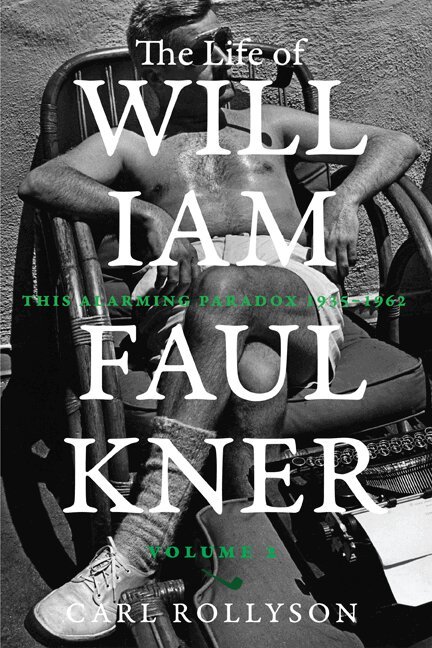
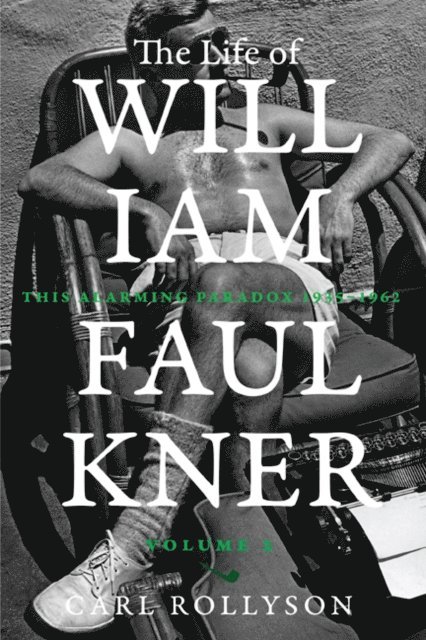
Life of William Faulkner
This Alarming Paradox, 1935–1962
Inbunden, 2020
422 kr
Lägg i varukorg
By the end of volume 1 of The Life of William Faulkner (""A filling, satisfying feast for Faulkner aficianados""- Kirkus), the young Faulkner had gone from an unpromising, self-mythologizing bohemian to the author of some of the most innovative and enduring literature of the century, including The …
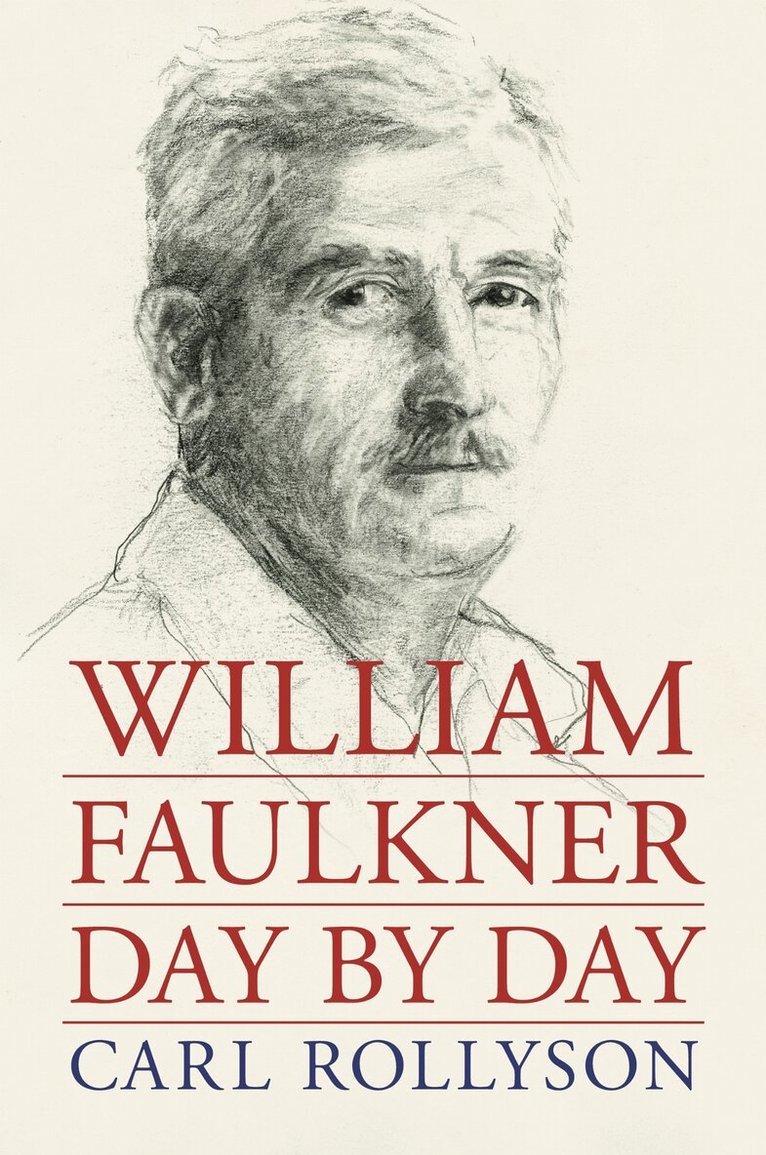
William Faulkner Day by Day
Inbunden, 2022
457 kr
Lägg i varukorg
William Faulkner has been the topic of numerous biographies, papers, and international attention. Yet there are no collected resources providing a comprehensive scope of Faulkner’s life and work before now. William Faulkner Day by Day provides unique insight into the daily life of one of America’s …
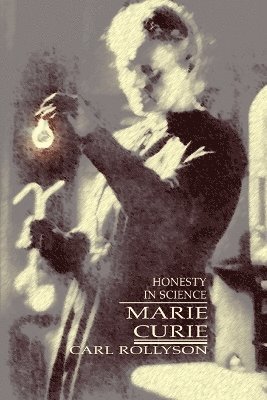
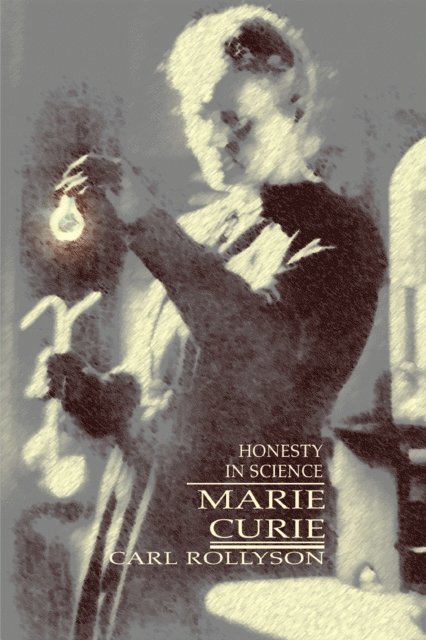
Marie Curie
Honesty in Science
E-bok, 2004
59 kr
Lägg i varukorg
Professional biographer Carl Rollyson has pioneered a new kind of biography for children and adults alike. His narrative of Marie Curie''s life is rendered in simple, precise prose, but he also includes material addressed to adults-especially to parents who wish some guidance in discussing what …
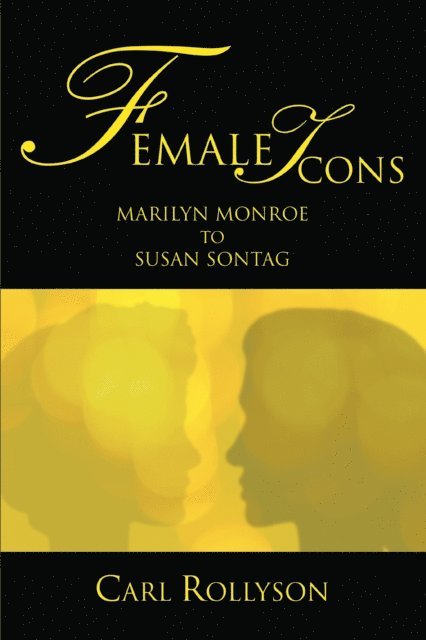
Female Icons
Marilyn Monroe to Susan Sontag
E-bok, 2005
57 kr
Lägg i varukorg
This volume represents more than twenty-five years of writing about female icons and biography. Rollyson provides the bits and pieces that resulted not only in his biography of Marilyn Monroe but also in much of the work he has subsequently done on Lillian Hellman , Martha Gellhorn , Rebecca West , …
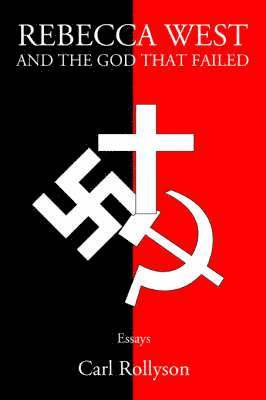
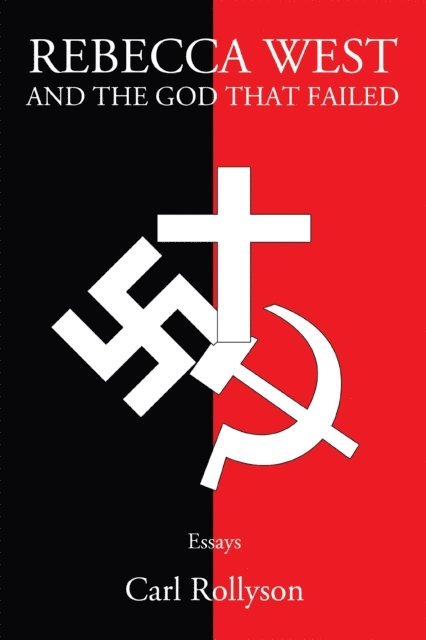
Rebecca West and the God That Failed
Essays
E-bok, 2005
57 kr
Lägg i varukorg
After completing his biography of Rebecca West in 1995, Carl Rollyson felt bereft. As his wife said, "Rebecca was such good company." He had already embarked on another biography, but Rebecca kept beckoning him. He felt there was more to say about her politics-a misunderstood part of her repertoire …
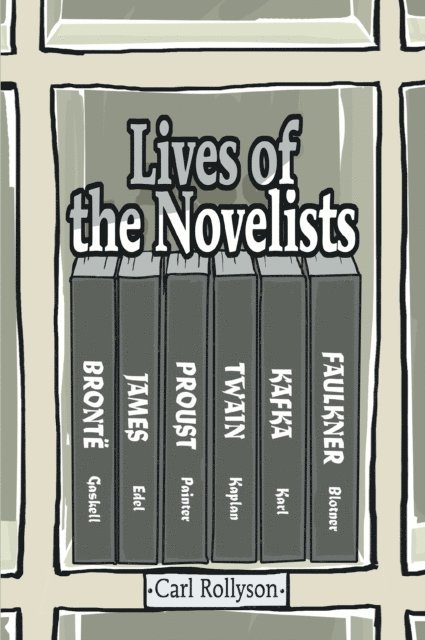
Lives of the Novelists
E-bok, 2005
61 kr
Lägg i varukorg
Is there a right way to write a literary life? In this collection of columns from the New York Sun, Carl Rollyson explores the relationship between narrative and literary analysis. Should biographies be written in the style and form of novels? How to balance the life and the work? How much literary …
Life of William Faulkner
The Past Is Never Dead, 1897-1934
E-bok, 2020
529 kr
Lägg i varukorg
William Faulkner emerged from the ravaged South—half backwoods, half defeated empire—transforming his corner of Mississippi into the fictional Yoknapatawpha County and bestowing on the world some of the most revolutionary and enduring literature of the twentieth century. The personal story behind …
Life of William Faulkner
This Alarming Paradox, 1935–1962
E-bok, 2020
529 kr
Lägg i varukorg
By the end of volume 1 of The Life of William Faulkner ("A filling, satisfying feast for Faulkner aficianados"— Kirkus ), the young Faulkner had gone from an unpromising, self-mythologizing bohemian to the author of some of the most innovative and enduring literature of the century, including The …
Making the American Presidency
How Biographers Shape History
Inbunden, 2027
422 kr
Kommande
The craft of presidential biographers and how they influence our perceptions of historyOur impressions of US presidents are based largely on the work of biographers who, we assume, are simply documenting history. But these authors are craft-conscious practitioners of what is a literary genre at …
Psychological Novelists
Inbunden, 2012
481 kr
Lägg i varukorg
An in-depth selection of articles from Critical Survey of Long Fiction, Fourth Edition. Psychological Novelists is a single-volume monograph that contains selected essays from Critical Survey of Long Fiction, Fourth Edition. Every article in this set was carefully selected by our editors to provide …
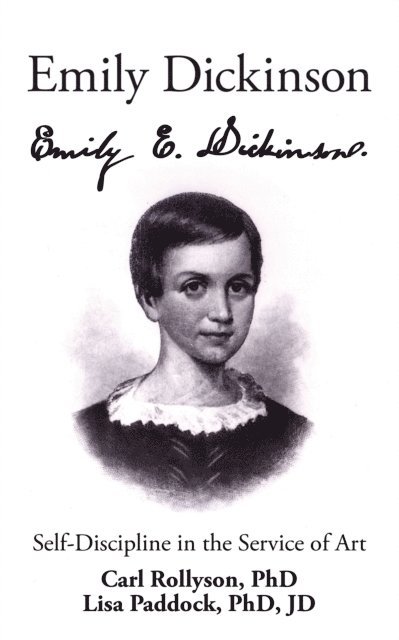
Emily Dickinson
Self-Discipline in the Service of Art
Av Carl Rollyson, Lisa Paddock
Häftad, 2009
120 kr
Lägg i varukorg
Thurgood Marshall
Perserverance for Justice
Av Carl Rollyson, Lisa Paddock
Häftad, 2009
120 kr
Lägg i varukorg
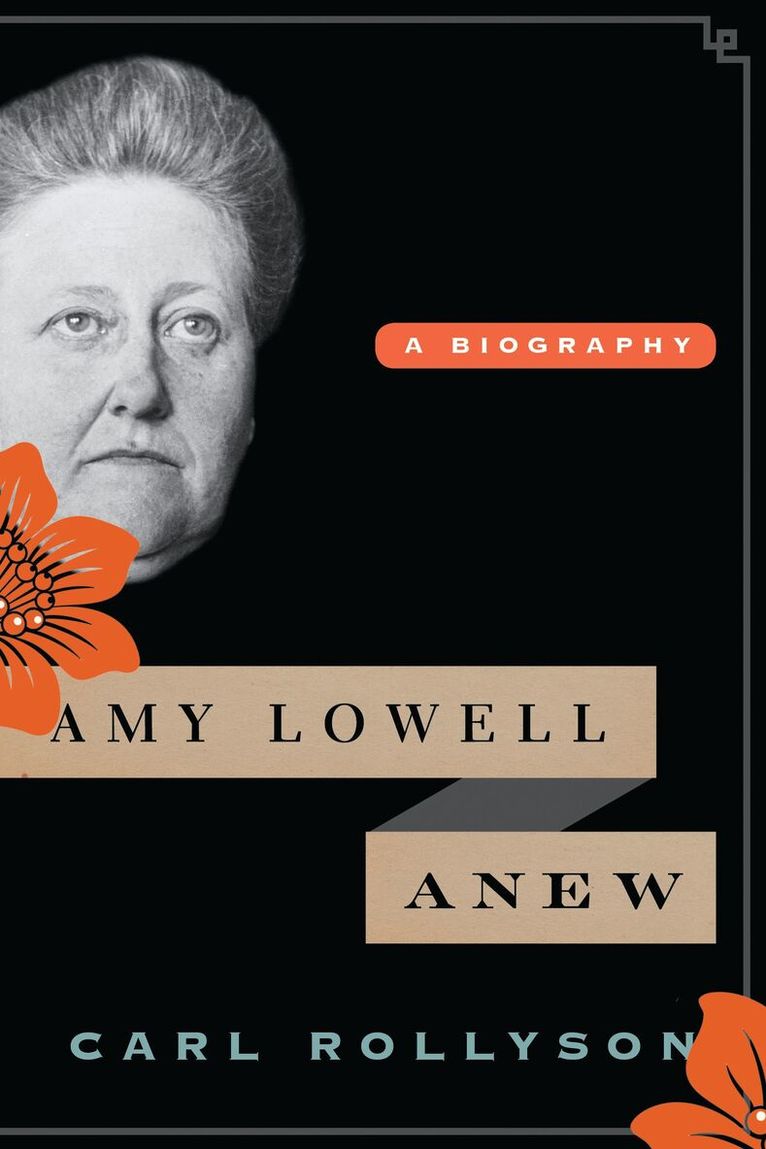
Amy Lowell Anew
A Biography
Inbunden, 2013
680 kr
Lägg i varukorg
The controversial American poet Amy Lowell (1874-1925), a founding member of the Imagist group that included D. H. Lawrence and H. D., excelled as the impresario for the “new poetry” that became news across the U. S. in the years after World War I. Maligned by T. S. Eliot as the “demon saleswoman” …
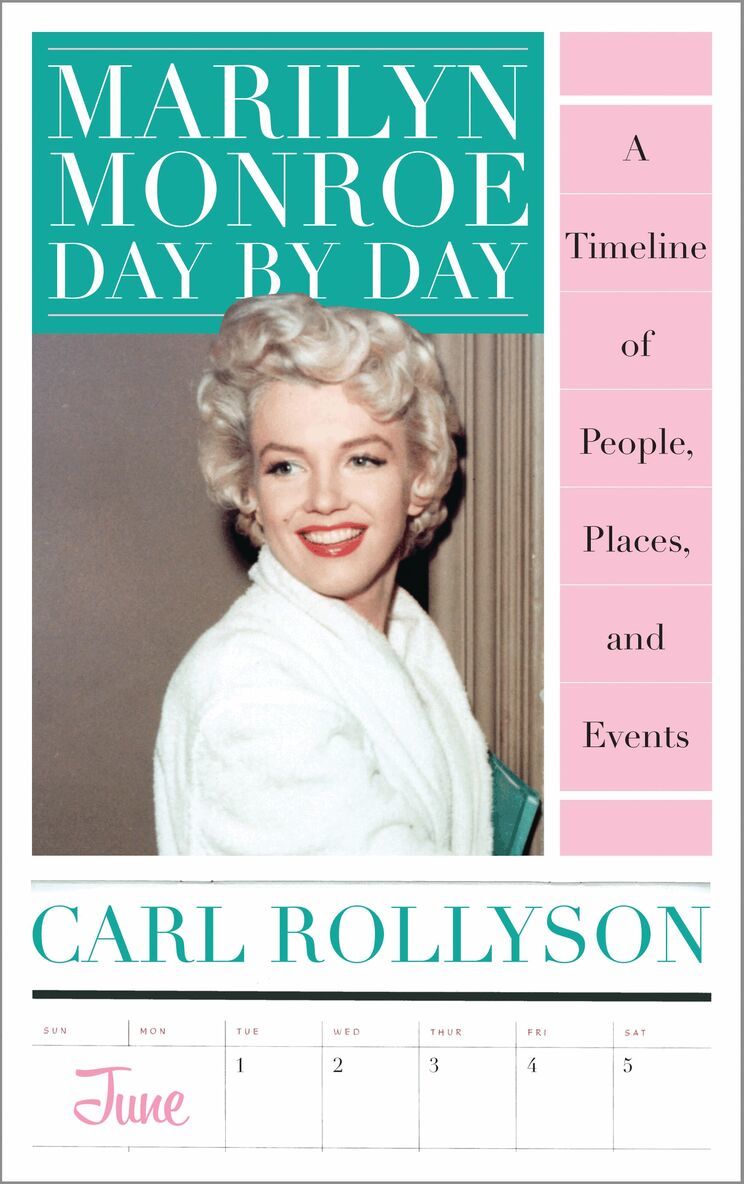
Marilyn Monroe Day by Day
A Timeline of People, Places, and Events
Häftad, 2016
392 kr
Lägg i varukorg
From hefty biographies and fact-based novels to photograph collections and memoirs, more books have been written about Marilyn Monroe than any other female over the past century. However, no biography—regardless how authoritative—can contain all of the facts and events of an individual’s life, and …
British Biography
A Reader
E-bok, 2005
57 kr
Lägg i varukorg
Biography as a literary genre is largely the product of the eighteenth century and of one seminal work, James Boswell''s Life of Samuel Johnson (1791) . Boswell''s innovations revolutionized the genre and made it the target of suppression and censorship. He sought not only to memorialize a great …
Confessions of a Serial Biographer
Häftad, 2016
275 kr
Lägg i varukorg
Some critics rank biographers just above serial murderers. The author of this book, a self-described member of the Samuel Johnson school, doesn't share this view. An account of a life, he believes, should adhere to the truth as the biographer sees it, not to the sentiments of others.This memoir of …
Emily Dickinson
Self-Discipline in the Service of Art
Av Lisa Paddock, Carl Rollyson
E-bok, 2009
55 kr
Lägg i varukorg
Emily Dickinson exemplified the virtue of self-discipline. She wrote poetry largely for her own pleasure and to exercise and increase her creative talents. Very few of her poems were published during her own lifetime, yet we know that she wrote consistently--perhaps every day--over several decades. …