Carla Konta - Böcker
Visar alla böcker från författaren Carla Konta. Handla med fri frakt och snabb leverans.
2 produkter
2 produkter
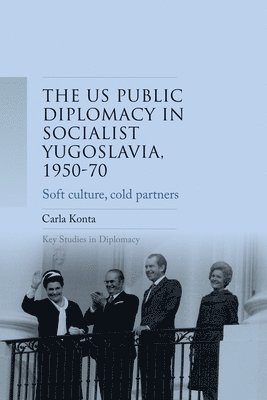
Us Public Diplomacy in Socialist Yugoslavia, 1950–70
Soft Culture, Cold Partners
Inbunden, Engelska, 2020
1 167 kr
Skickas inom 5-8 vardagar
Representing the first comprehensive account of the public and cultural diplomacy campaigns carried out by the United States in Yugoslavia during the height of the Cold War, this book examines the political role of culture in US-Yugoslav bilateral relations and the fluid links between information and propaganda. Tito and his Party allowed the United States Information Agency and the State Department’s cultural programmes to enter Yugoslavia, liberated from Soviet control, open cultural centres and pavilions at its main fairs, broadcast the Voice of America, and have American artists tour the country. The exchange of intellectual and political personnel helped foster the US-Yugoslav relationship, yet it posed severe ideological challenges for both Yugoslavia and the United States.By providing new insights into porous borders between freedom and coercion in Tito’s regime, this volume shows how public diplomacy acted as an external input for Yugoslav liberalisation and dissident movements. Building on extensive archival research and interviews, Carla Konta analyses the fluid links between information and propaganda, and the unintended effects that propaganda can produce beyond the control of producers and receivers.
US public diplomacy in socialist Yugoslavia, 1950–70
Soft culture, cold partners
Häftad, Engelska, 2024
354 kr
Skickas inom 5-8 vardagar
The first comprehensive account of the public and cultural diplomacy campaigns carried out by the US in Yugoslavia during the height of the Cold War, this book examines the political role of culture in US-Yugoslav bilateral relations and the fluid links between information and propaganda. Tito allowed the US Information Agency and the State Department’s cultural programmes to enter Yugoslavia, liberated from Soviet control. The exchange of intellectual and political personnel helped foster the US-Yugoslav relationship, yet it posed severe ideological challenges for both sides.By providing new insights into porous borders between freedom and coercion in Tito’s regime, this book shows how public diplomacy acted as an external input for Yugoslav liberalisation and dissident movements. Using extensive archival research and interviews, Konta analyses the links between information and propaganda, and the unintended effects of propaganda beyond the control of producers and receivers.