Carli Spina - Böcker
Visar alla böcker från författaren Carli Spina. Handla med fri frakt och snabb leverans.
5 produkter
5 produkter
461 kr
Skickas inom 7-10 vardagar
Video content is an increasingly important part of library marketing, outreach, instruction, and more. In order for this content to be inclusive for all patrons, it is vital that it be made accessible. However, large quantities of video content are still shared without adequate accessibility features, such as captions, transcriptions, audio descriptions, sign language interpretation, and accessible media players. This issue of Library Technology Reports (vol. 57, no. 3) will help librarians to understand these various accessibility features and how they are used. It will also give them the knowledge and tools necessary to ensure that the videos they share, create, and purchase for their collections are accessible to all patrons.
797 kr
Skickas inom 10-15 vardagar
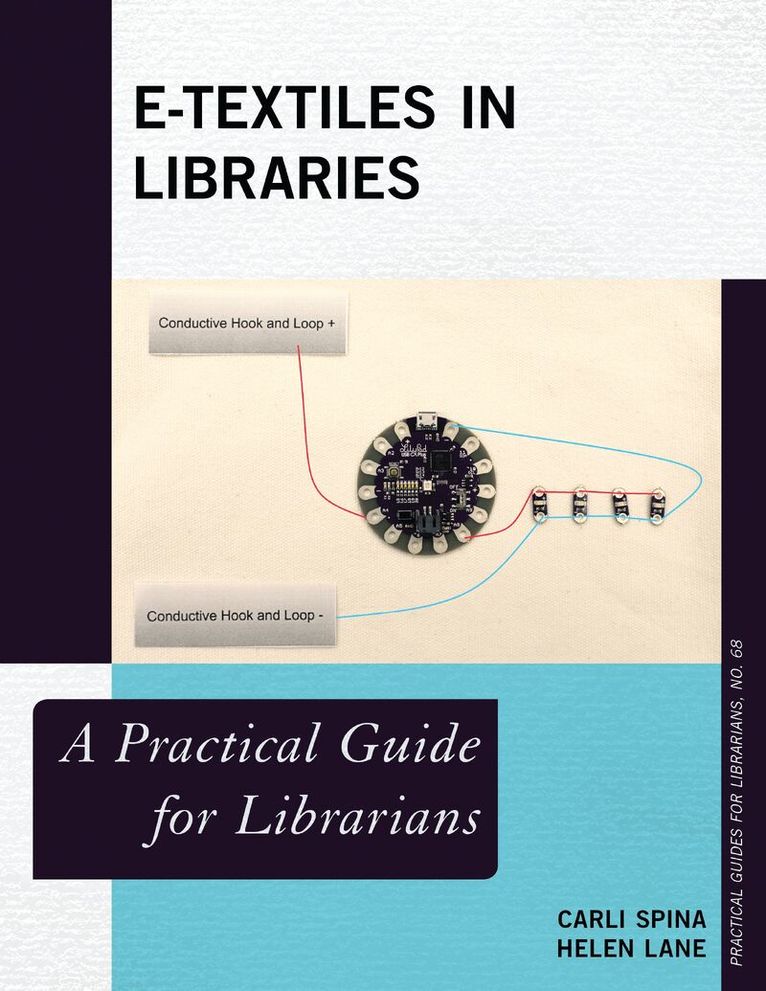
From light-up scarves to solar-powered backpacks to health monitoring fabric, innovative combinations of electronics and textiles are becoming more prevalent and impressive all the time, making appearances everywhere from the runway to medical settings. In the near future, these wearable technologies will be a standard part of daily life. E-textiles, including soft circuits, conductive fabrics, and sewable electronics, may not be familiar to all library patrons now, but the way that e-textile projects combine STEM topics with fun, familiar crafts make them popular for library programs, interesting to diverse groups, and a great tool for teaching new skills and techniques. Best of all, e-textile projects can be designed to fit into budgets of all sizes and to appeal to patrons of any age and level of technical proficiency. In this book, you’ll learn everything you need to know about the tools, supplies, techniques, and science behind e-textiles and find out how your library can design successful collections and programs around this hot new topic. The book features key information about the materials and techniques you’ll need to know, examples of libraries that have found success with e-textiles, step-by-step advice on program creation, and projects that can be used for fun and engaging library programs. By the time you finish reading, you will have everything you need to develop a program that will generate excitement within your community and introduce your patrons to new and useful skills. Keep your library on the cutting edge of technology with exciting and engaging e-textiles programming!
1 126 kr
Skickas inom 10-15 vardagar
As libraries of all types strive to serve diverse communities, Universal Design offers principles and approaches that can be used to create welcoming spaces and services. Applying Universal Design to Create Inclusive Libraries: A LITA Guide offers a thorough and engaging introduction to Universal Design and concrete examples of how these principles can be applied at libraries of all sizes, types, and budgets. This guide covers both Universal Design and Universal Design for Learning and includes real examples of how libraries have used these principles to create more welcoming environments and programming. Featuring a mix of examples, case studies, and checklists, this guide is suitable for those who are new to accessibility and inclusion work. Examples discussed cover a range of types of projects for all budgets, from major renovations to in-house signage design projects. Libraries covered include public libraries, academic libraries, school libraries, and more. It will leave readers confident of steps that they can take at their library to improve inclusion at any price point.
534 kr
Skickas inom 10-15 vardagar
As libraries of all types strive to serve diverse communities, Universal Design offers principles and approaches that can be used to create welcoming spaces and services. Applying Universal Design to Create Inclusive Libraries: A LITA Guide offers a thorough and engaging introduction to Universal Design and concrete examples of how these principles can be applied at libraries of all sizes, types, and budgets. This guide covers both Universal Design and Universal Design for Learning and includes real examples of how libraries have used these principles to create more welcoming environments and programming. Featuring a mix of examples, case studies, and checklists, this guide is suitable for those who are new to accessibility and inclusion work. Examples discussed cover a range of types of projects for all budgets, from major renovations to in-house signage design projects. Libraries covered include public libraries, academic libraries, school libraries, and more. It will leave readers confident of steps that they can take at their library to improve inclusion at any price point.
660 kr
Skickas inom 7-10 vardagar
A complicated topic encompassing many disparate facets, digital accessibility in libraries is in constant flux as new technologies emerge and design standards continue to evolve. This makes it challenging for library workers to ensure that their libraries meet legal requirements while also fostering inclusion for all their community members. Incorporating advice from a range of outside accessibility experts and practitioners, this guide is here to help. It delves into practical steps you can take to ensure that your library’s online presence is welcoming to everyone and that all your digital offerings avoid barriers that can exclude users with disabilities. No matter your level of experience or type of library, from this book you will come to understand what is meant by disability and why libraries have obligations to support disabled users; learn about a wide range of software and hardware for creating inclusive spaces and services regardless of your budget limitations or staffing levels; get comfortable with the overarching principles of online accessibility and how they specifically apply to library websites, digital media and files, digital communications, and emerging technologies such as augmented reality, virtual reality, and artificial intelligence (AI); discover how libraries can verify the accessibility of the tools they develop or subscribe to, including best practices for working with vendors to optimize the accessibility of their library products; be invited to reflect upon the future of digital accessibility, particularly concerning education and hiring to ensure that accessibility remains central to the work done at all libraries. Both Spina and Oling have worked within SUNY - The State University of New York to hone skills and thinking in this area, resulting in the Library Procurement Accessibility Toolkit, an ongoing project. They currently co-chair a subcommittee reviewing the SUNY libraries' implementation of the Electronic Information Accessibility Policy.