Carlo Berti – författare
Visar alla böcker från författaren Carlo Berti. Handla med fri frakt och snabb leverans.
4 produkter
4 produkter
Inbunden, Engelska, 2021
1 623 kr
Skickas inom 10-15 vardagar
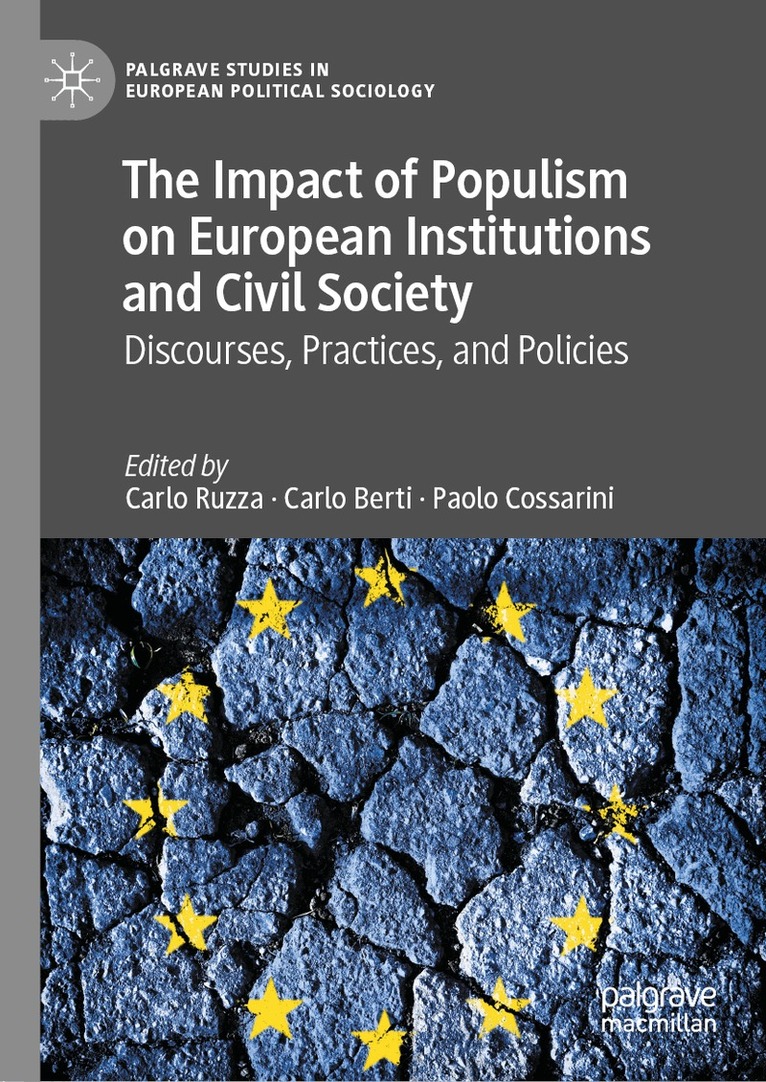
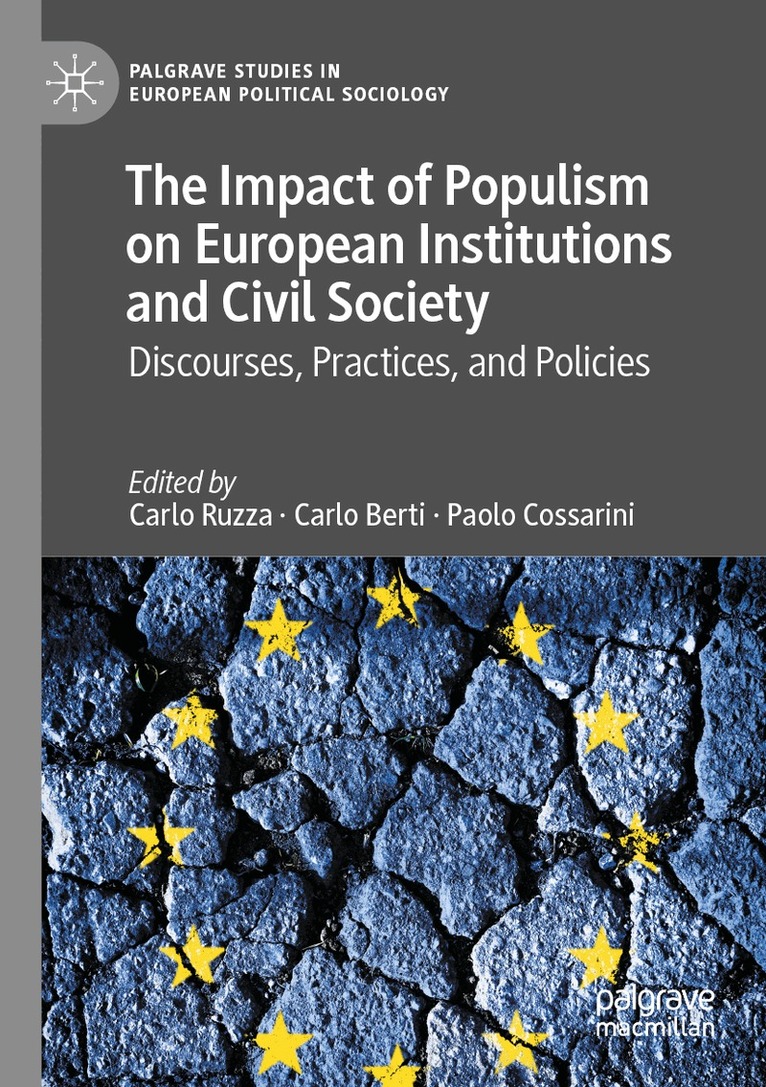
What is the impact of populism on the EU? How did the EU institutions and civil society react to the recent rise of populist parties? To answer such relevant questions and understand populism in terms of ideas, political outcomes, and social dynamics, academia needs to engage with institutional actors, civil society organizations, and policy makers. By bringing together academics, members of European institutions and agencies, and leaders of civil society organizations, this edited volume bridges the gap between research and practice. It explores how populism impacted on European institutions and civil society and investigates their reactions and strategies to overcome the challenges posed by populists. This collection is organized into three main sections, i.e., general European governance; European Parliament and Commission; European organized civil society. Overall, the volume unveils how the populist threat was perceived within the EU institutions and NGOs and discusses the strategies they devised to react and how these were implemented in institutional and public communication.
E-bok
Engelska, 20212 049 kr
Läs direkt efter köp
What is the impact of populism on the EU? How did the EU institutions and civil society react to the recent rise of populist parties? To answer such relevant questions and understand populism in terms of ideas, political outcomes, and social dynamics, academia needs to engage with institutional actors, civil society organizations, and policy makers. By bringing together academics, members of European institutions and agencies, and leaders of civil society organizations, this edited volume bridges the gap between research and practice. It explores how populism impacted on European institutions and civil society and investigates their reactions and strategies to overcome the challenges posed by populists. This collection is organized into three main sections, i.e., general European governance; European Parliament and Commission; European organized civil society. Overall, the volume unveils how the populist threat was perceived within the EU institutions and NGOs and discusses the strategies they devised to react and how these were implemented in institutional and public communication.
Häftad, Engelska, 2022
1 623 kr
Skickas inom 10-15 vardagar
What is the impact of populism on the EU? How did the EU institutions and civil society react to the recent rise of populist parties? To answer such relevant questions and understand populism in terms of ideas, political outcomes, and social dynamics, academia needs to engage with institutional actors, civil society organizations, and policy makers. By bringing together academics, members of European institutions and agencies, and leaders of civil society organizations, this edited volume bridges the gap between research and practice. It explores how populism impacted on European institutions and civil society and investigates their reactions and strategies to overcome the challenges posed by populists. This collection is organized into three main sections, i.e., general European governance; European Parliament and Commission; European organized civil society. Overall, the volume unveils how the populist threat was perceived within the EU institutions and NGOs and discusses the strategies they devised to react and how these were implemented in institutional and public communication.
Inbunden, Engelska, 2027
888 kr
Kommande
This open access book provides an up-to-date and focused account of the relationship between the media and democracy in the European Union, in times of democratic backsliding, exploring the intricate relationship between news media and the erosion of democratic values. As backsliding democracies challenge the foundational principles of free press and accountability, members of the news media find themselves increasingly at risk. This volume situate this crisis within the broader framework of democratic theory, examining the changing dynamics between the news media (and in particular journalism) as pillars of democracy, and the growing strenght of illiberal forces, leaderims, populism, and the far-right. Its aim is to highlight both the vulnerabilities and the available defences of the media in front of several threats, including the erosion of trust in journalism, the increasing violence against the press, and a general degradation of press freedom.