Carlos A. Da Silva - Böcker
Visar alla böcker från författaren Carlos A. Da Silva. Handla med fri frakt och snabb leverans.
2 produkter
2 produkter
791 kr
Skickas inom 7-10 vardagar
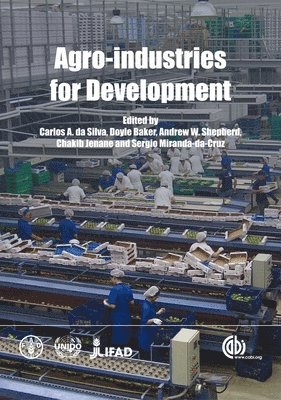
The development of competitive agro-industries is crucial for creating employment and income opportunities as well as enhancing the demand for farm products. However, in order to avoid adverse effects to vulnerable countries and people, sound policies and strategies for fostering agro-industries are needed. This book has been developed from a meeting of policy makers, governments, UN technical agencies and agro-industry specialists. It addresses the strategies and actions required for improving agro-industrial competitiveness in ways that can contribute to broad-based economic development and poverty reduction. This book is a co-publication with FAO and UNIDO
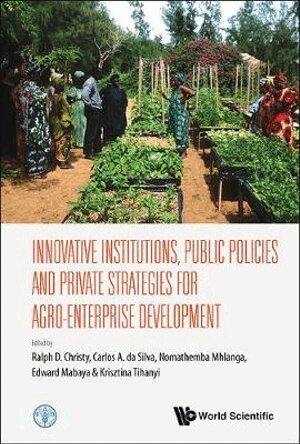
Innovative Institutions, Public Policies And Private Strategies For Agro-enterprise Development
Inbunden, Engelska, 2014
1 566 kr
Skickas
In an effort to promote agro-enterprises and agro-industries as viable forms of inclusive development, the Food and Agriculture Organization of the United Nations (FAO) and The Cornell International Institute for Food, Agriculture and Development (CIIFAD) in collaboration with the International Association of Agricultural Economists (IAAE), organized an international symposium on the topic “Innovative Institutions, Public Policies, and Private Strategies for Inclusive Agro-Enterprise Development”, as part of the Triennial Meetings of the IAAE held in Foz do lguaçu, Brazil, in August 2012.This book contains the major papers presented at the symposium, which feature a wide range of country and regional experiences and examine the influence of markets and technology transfer to agro-enterprises on food security, poverty, and economic growth. The contributions also identify alternative market access strategies for sustainable economic development. This volume will enrich existing knowledge of agro-enterprises as a channel for promoting inclusive growth and reducing poverty levels across developing and emerging markets.