Carlos Antonio Aguirre Rojas – författare
Visar alla böcker från författaren Carlos Antonio Aguirre Rojas. Handla med fri frakt och snabb leverans.
4 produkter
4 produkter
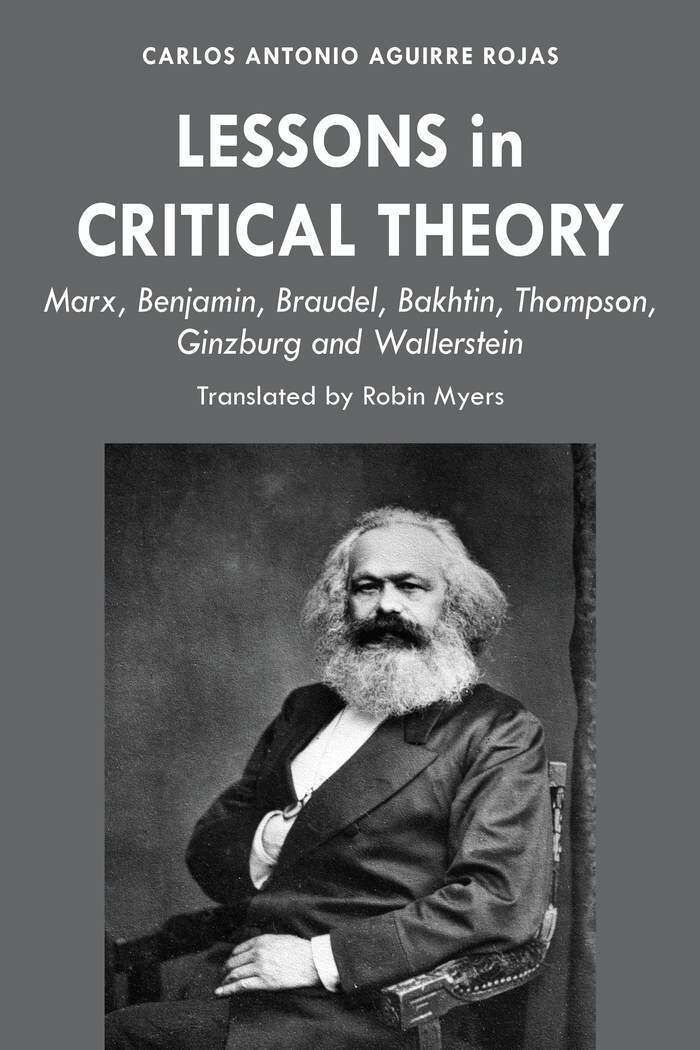
Lessons in Critical Theory
Marx, Benjamin, Braudel, Bakhtin, Thompson, Ginzburg and Wallerstein
Inbunden, Engelska, 2020
1 046 kr
Skickas inom 5-8 vardagar
Contemporary critical thinking was founded by Karl Marx approximately a century and a half ago. Later, in the twentieth and twenty-first centuries, various critical thinkers (some Marxist, others not) further developed this perspective in studying the most important issues of their day: for instance, the future death of art, the conditions and limitations of how we understand and perceive time, the essential questions of how popular culture functions and expresses itself, the role of popular protest and the “moral economy of the crowd”, the limits and crises facing modern bourgeois reason and how to characterize today’s capitalist world. This book is a careful, rigorous review of these fundamental lessons in critical theory and critical thought as developed by some of the most important social thinkers of our age: Karl Marx, Walter Benjamin, Fernand Braudel, Mikhail Bakhtin, E. P. Thompson, Carlo Ginzburg and Immanuel Wallerstein.
979 kr
Skickas inom 5-8 vardagar
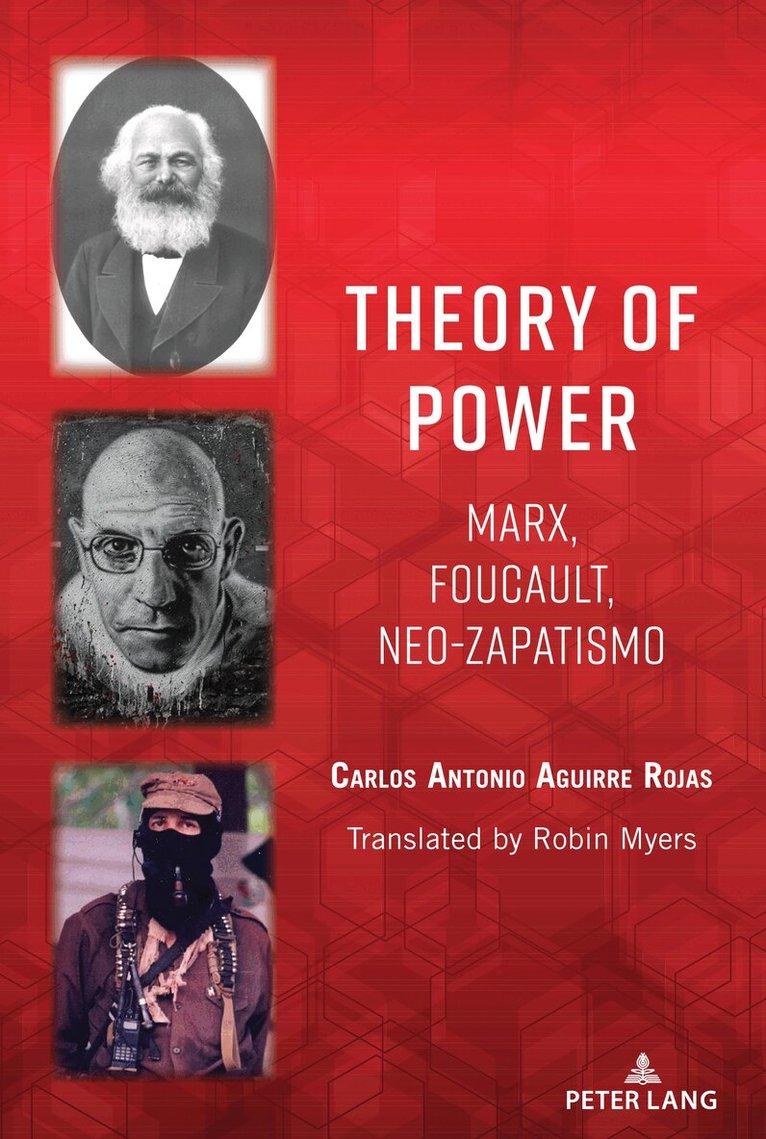
The subject of power (singular) and multiple social powers (plural) is unquestionably central to contemporary societies all over the globe. Growing stronger and expanding farther all the time, the world’s anti-systemic movements have been forced to address this issue—the nature of power and powers—as among their most pressing debates. In the process, these movements have also been forced to consider the best possible strategy for confronting them. Should they seize political power, even if they run the risk of simply reproducing it? Should they destroy it altogether? Is it enough to destroy political power while economic, ideological, military, and religious powers remain untouched? And what is the most effective anti-capitalist and anti-systemic way to confront, defeat, and overcome the many different powers found in all present-day societies on Earth? To answer such questions, among others, this book discusses the rich, complex contributions of Karl Marx, Michel Foucault, and neo-Zapatismo to a complicated and essential subject: the theory of power.
Del 40 - Latin America
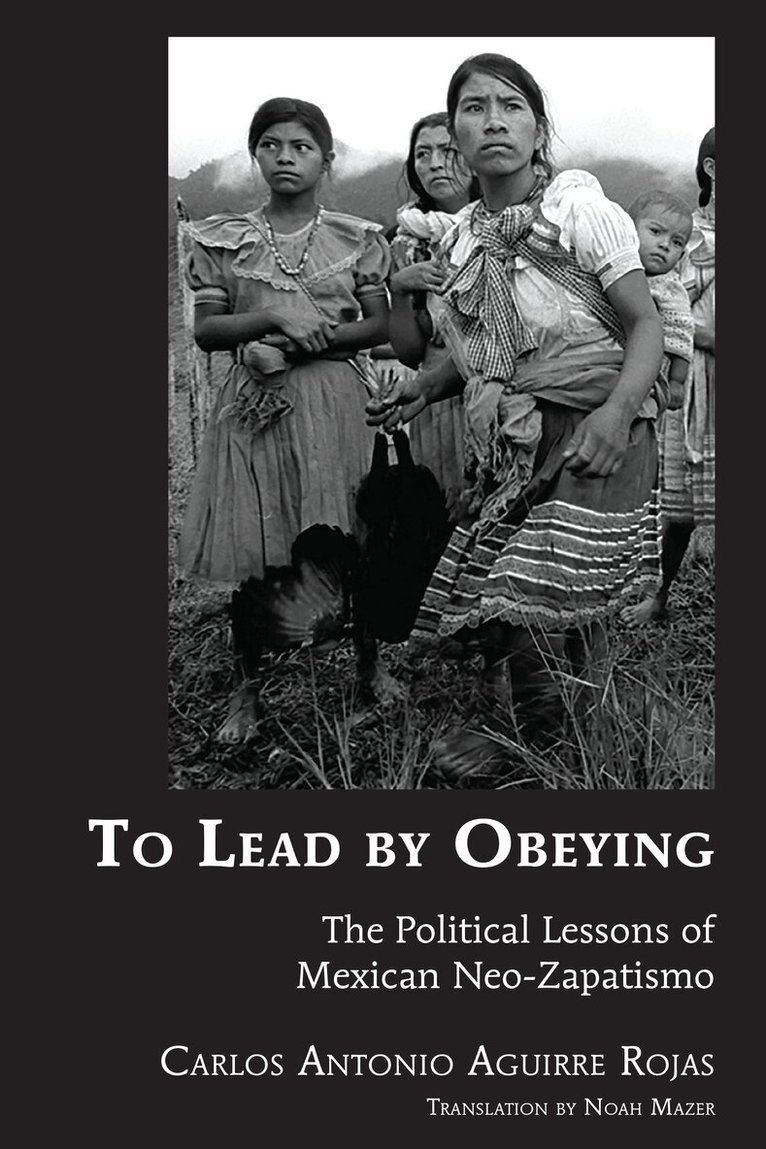
To Lead by Obeying
The Political Lessons of Mexican Neo-Zapatismo
Häftad, Engelska, 2024
557 kr
Skickas inom 5-8 vardagar
This book develops the main political lessons that the Mexican Neozapatismo movement brings us, in its almost 30 years of public life. Thus, beginning by defining the singular concept of Autonomy that the Neozapatista movement proposes, different from legal, anthropological or political definitions, and conceived as real global autonomy. Then the content of the Neozapatista oxymoron ‘Mandar Obedeciendo’, ‘To Lead by Obeying’ is explained as identical to the idea of popular self-government. A new concept of autonomy is linked necessarily with the idea of ‘Other Politics’ and ‘Other Democracy’. The book also presents how Neozapatismo embodies a project of modernity that, having been constructed as a modernity of resistance for five centuries to the dominant modernity imposed by the Spaniards in Mexico, has now been transformed into a project of a real alternative modernity to capitalism.
434 kr
Skickas inom 5-8 vardagar
Is it possible that more than 50 years after the assassination of Che Guevara, and after hundreds and perhaps thousands of biographers, analysts, journalists, and scientists researching the life and legacy of Che Guevara, it has not yet been discovered that one of Guevara’s articles was published with a pseudonym in July 1967 in the most important journal of social sciences in Cuba, Pensamiento Crítico? The author of this book proposes an affirmative answer to this question, revealing for the first time at a worldwide level, Che Guevara’s possible authorship of a brilliant article studying the Bolivia situation in 1967, at the same time that Guevara’s National Liberation Army of Bolivia was fighting against the military dictatorship of Rene Barrientos. The book provides a dense and rich series of arguments to prove this audacious historical conjecture. The reader must judge if these arguments are convincing or not.