Carlos F. Noreña - Böcker
Visar alla böcker från författaren Carlos F. Noreña. Handla med fri frakt och snabb leverans.
4 produkter
4 produkter
Del 35 - Yale Classical Studies
The Emperor and Rome
Space, Representation, and Ritual
Inbunden, Engelska, 2010
1 485 kr
Skickas inom 7-10 vardagar
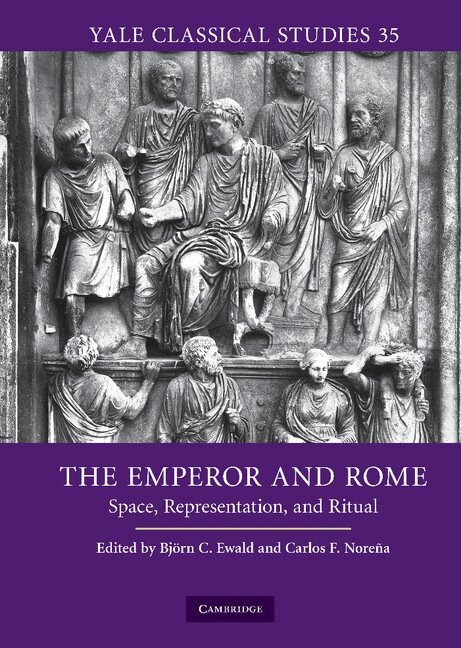
The transition from republic to monarchy with the accession of Augustus heralded the transformation not just of the Roman political system but of the city of Rome itself. This volume, written by some of the foremost scholars from around the world, addresses three main topics: the impact of imperial building programs on the configuration of space within the city and on the evolution of Rome's urban image; the various ways in which the figure of the emperor himself was represented, both visually and symbolically, in the city's urban fabric; and the performance of rituals and ceremonies that expressed key imperial ideals and values and enabled communications between the emperor and important collectivities in the city. The contributors build on important recent developments in research: increased archaeological excavation and restoration, the proliferation of digital technologies, and the greater attention paid by scholars to the centuries after Augustus.
1 702 kr
Skickas inom 7-10 vardagar
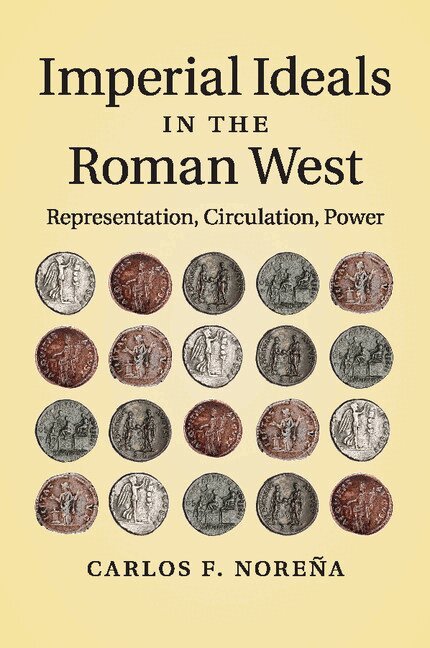
This book examines the figure of the Roman emperor as a unifying symbol for the western empire. It documents an extensive correspondence between the ideals cited in honorific inscriptions for the emperor erected across the Western Empire and those advertised on imperial coins minted at Rome. This reveals that the dissemination of specific imperial ideals was more pervasive than previously thought, and indicates a high degree of ideological unification amongst the aristocracies of the western provinces. The widespread circulation of a particular set of imperial ideals, and the particular form of ideological unification that this brought about, not only reinforced the power of the Roman imperial state, but also increased the authority of local aristocrats, thereby facilitating a general convergence of social power that defined the high Roman empire.
Del 35 - Yale Classical Studies
The Emperor and Rome
Space, Representation, and Ritual
Häftad, Engelska, 2015
523 kr
Skickas inom 7-10 vardagar
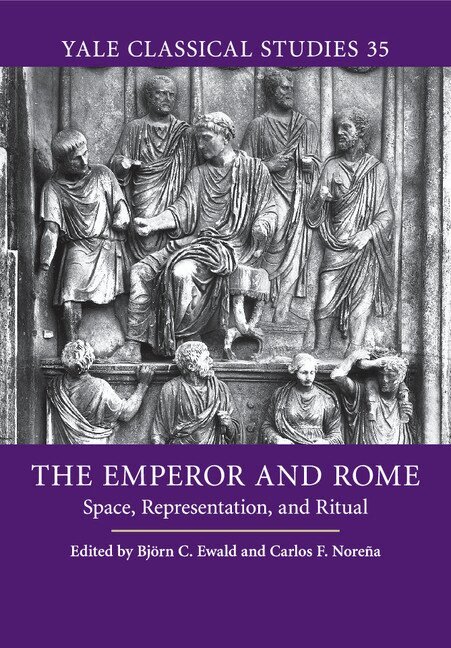
The transition from republic to monarchy with the accession of Augustus heralded the transformation not just of the Roman political system but of the city of Rome itself. This volume, written by some of the foremost scholars from around the world, addresses three main topics: the impact of imperial building programs on the configuration of space within the city and on the evolution of Rome's urban image; the various ways in which the figure of the emperor himself was represented, both visually and symbolically, in the city's urban fabric; and the performance of rituals and ceremonies that expressed key imperial ideals and values and enabled communications between the emperor and important collectivities in the city. The contributors build on important recent developments in research: increased archaeological excavation and restoration, the proliferation of digital technologies, and the greater attention paid by scholars to the centuries after Augustus.
604 kr
Skickas inom 7-10 vardagar
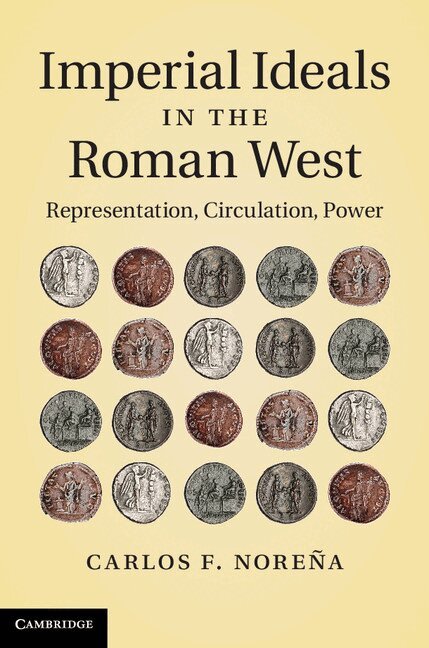
This book examines the figure of the Roman emperor as a unifying symbol for the western empire. It documents an extensive correspondence between the ideals cited in honorific inscriptions for the emperor erected across the Western Empire and those advertised on imperial coins minted at Rome. This reveals that the dissemination of specific imperial ideals was more pervasive than previously thought, and indicates a high degree of ideological unification amongst the aristocracies of the western provinces. The widespread circulation of a particular set of imperial ideals, and the particular form of ideological unification that this brought about, not only reinforced the power of the Roman imperial state, but also increased the authority of local aristocrats, thereby facilitating a general convergence of social power that defined the high Roman empire.