Carlos Ornelas – författare
Visar alla böcker från författaren Carlos Ornelas. Handla med fri frakt och snabb leverans.
7 produkter
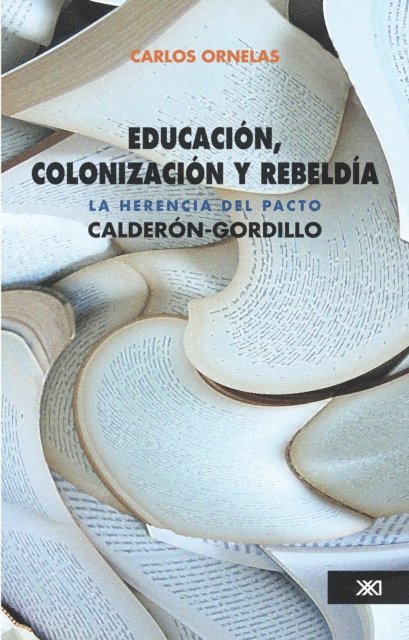
Educación, colonización y rebeldía
La herencia del pacto Calderón-Gordillo
E-bok, 2013
136 kr
Lägg i varukorg
La educación en México está en crisis. Los estudiantes no aprenden lo que se supone deben saber para desempeñarse en sociedad, la ética de los maestros no corresponde a su magisterio, el gobierno de la educación básica está colonizado por fieles del Sindicato Nacional de Trabajadores de la …
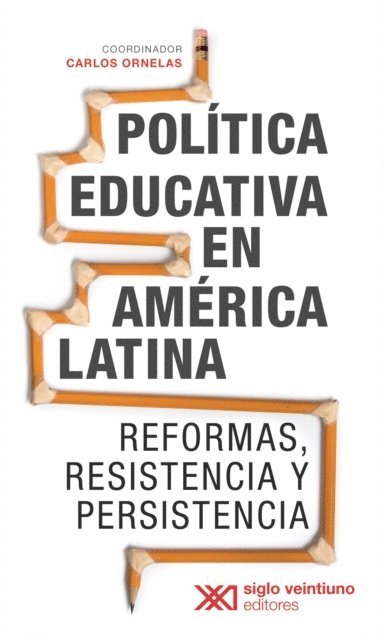
Política educativa en América Latina
Reformas, resistencia y persistencia
E-bok, 2020
144 kr
Lägg i varukorg
"Política educativa en América Latina: reformas, resistencia y persistencia" retrata situaciones complejas de políticas y de cambio educativo en América Latina, desde Argentina y Chile, la parte más meridional del continente, hasta México, la más septentrional. Los análisis recorren Brasil, Perú, …
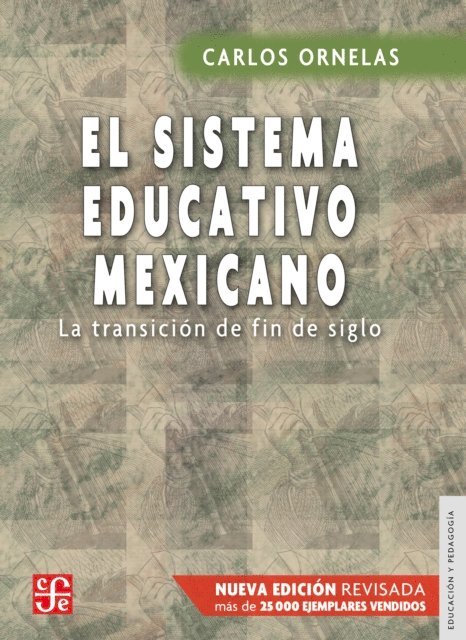
El sistema educativo mexicano
La transición de fin de siglo
E-bok, 2016
96 kr
Lägg i varukorg
Carlos Ornelas logra una recuperación histórica del sistema educativo mexicano; expone sus facetas contradictorias; brinda un panorama de su transición, y analiza los resultados en el aprendizaje de los alumnos. Esta segunda edición incluye un nuevo prólogo y un apéndice sobre los cambios surgidos …
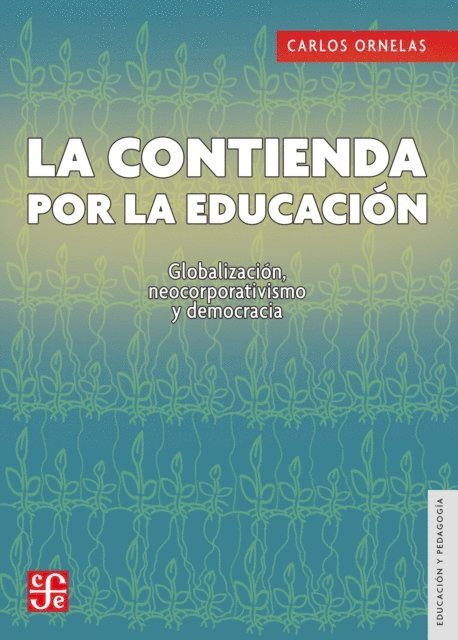
La contienda por la educacion
Globalización, neocorporativismo y democracia
E-bok, 2019
113 kr
Lägg i varukorg
Carlos Ornelas evalúa cómo se han construido las relaciones de poder al interior del sistema educativo mexicano, desde la SEP y el SNTE, hasta los grupos disidentes como la Sección 22 y la CNTE. Asimismo, identifica dos proyectos educativos centrales en disputa al interior del sistema educativo …
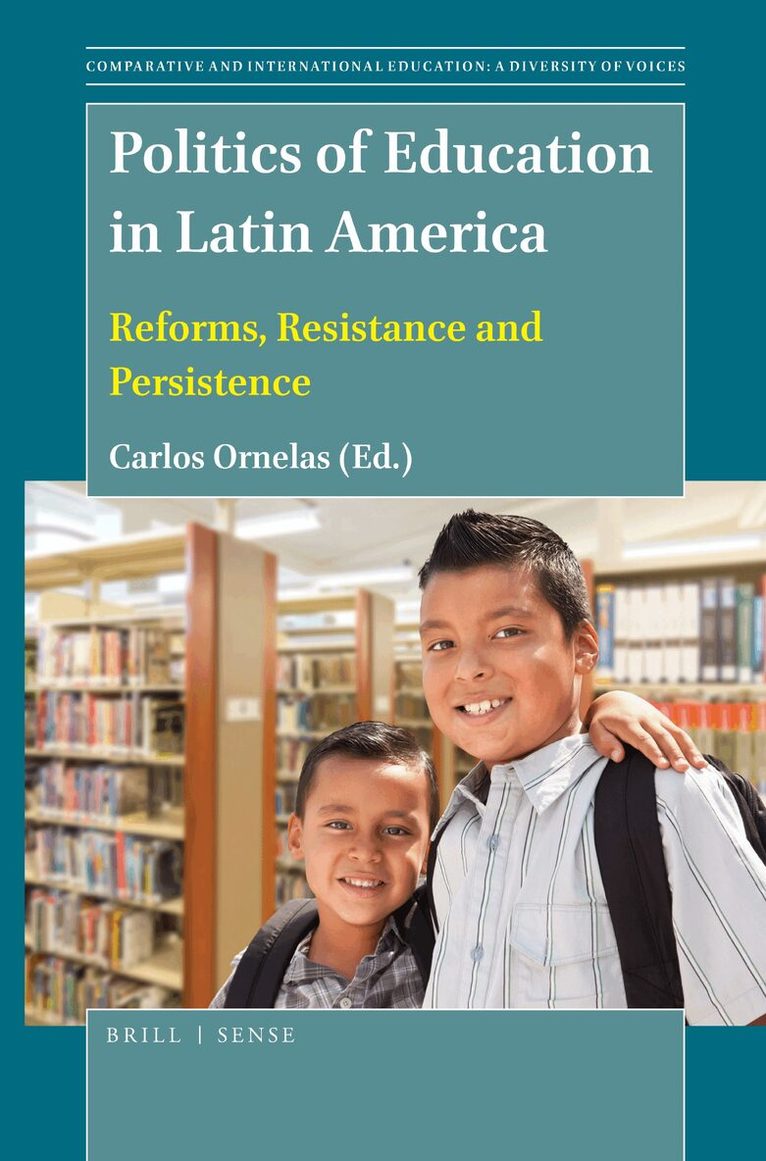
Politics of Education in Latin America
Reforms, Resistance and Persistence
Häftad, 2019
927 kr
Lägg i varukorg
Politics of Education in Latin America: Reforms, Resistance and Persistence portrays complex situations of education change policies in Latin America from Argentina and Chile, the southernmost part of the continent, to Mexico, the northernmost. The analyses tour through Brazil, Peru, Colombia, …
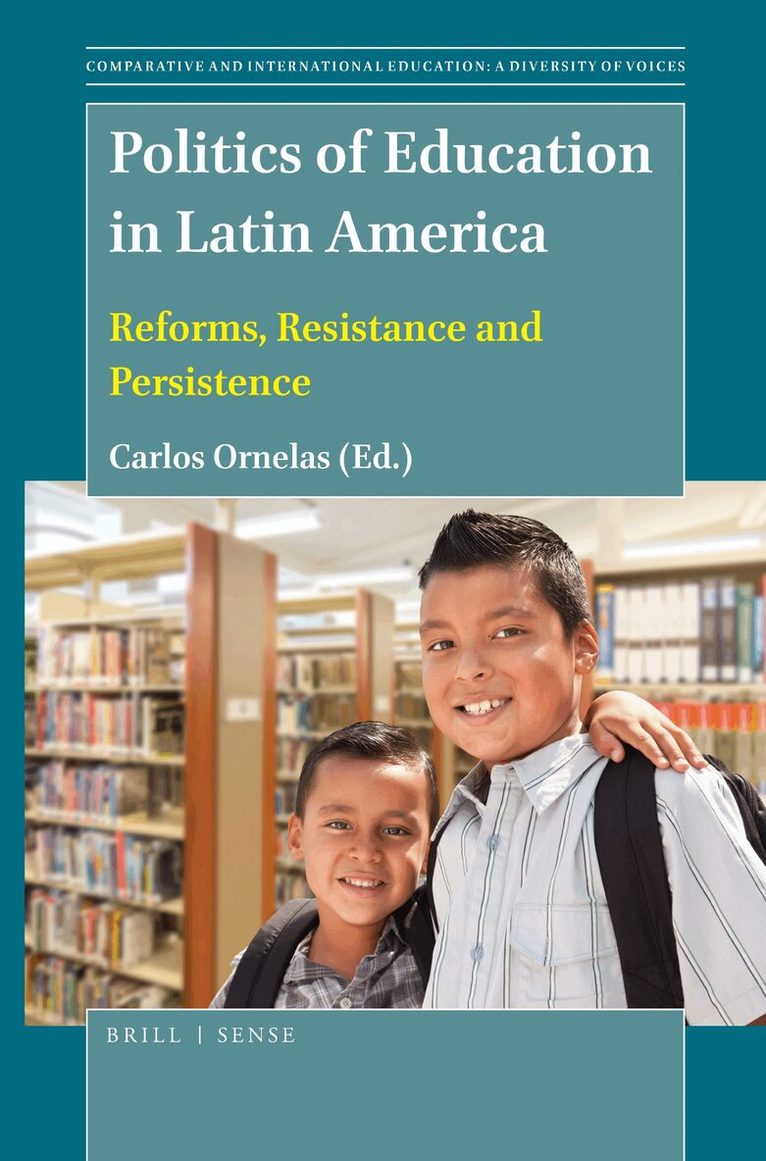
Politics of Education in Latin America
Reforms, Resistance and Persistence
Inbunden, 2019
2235 kr
Lägg i varukorg
Politics of Education in Latin America: Reforms, Resistance and Persistence portrays complex situations of education change policies in Latin America from Argentina and Chile, the southernmost part of the continent, to Mexico, the northernmost. The analyses tour through Brazil, Peru, Colombia, …