Carlos Pena - Böcker
Visar alla böcker från författaren Carlos Pena. Handla med fri frakt och snabb leverans.
5 produkter
5 produkter
If You Can Add, Subtract, Divide, and Multiply
You to can Broker Commercial Real Estate Mortgage loans And Earn a Six-Figure Income
Häftad, Engelska, 2020
805 kr
Skickas inom 3-6 vardagar
752 kr
Skickas inom 10-15 vardagar
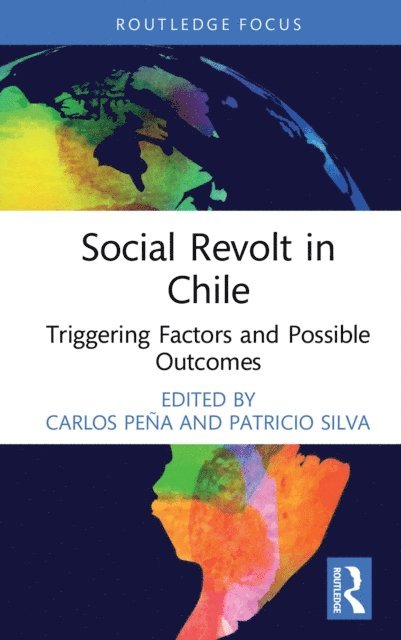
This book investigates why Chile suddenly confronted a violent social revolt in October 2019, after almost thirty years of political stability, during which time the country was broadly regarded as Latin America’s most successful nation.Since democratic restoration in 1990, Chile’s relatively high levels of political stability, increasing prosperity and social modernisation have stood out in a region shaken by political convulsion and economic malaise. In early October 2019, President Sebastián Piñera confidently claimed that Chile represented a true ‘oasis’ of political stability and economic vitality in Latin America. However, just weeks later, the announcement of a small increase in the price of Santiago’s underground transport system unleashed an unprecedented wave of violent anti-government protests in the country, with protestors ultimately demanding Piñera’s resignation and the end of neoliberalism and the 1980 Constitution, among many other demands. This book analyses the causes of Chile’s socio-political upheaval, arguing that the fast social and economic modernisation produced by the neoliberal system led to a series of destabilising socio-political processes in the country.At a time when much analysis of the October uprising tends to be superficial or polarised on ideological grounds, this book provides a much-needed sociological and institutional analysis of the crisis. It will be an important read for scholars of Latin American politics and development, as well as those with a broader interest in state legitimacy, social movements and political contestation against neoliberalism.
278 kr
Skickas inom 10-15 vardagar
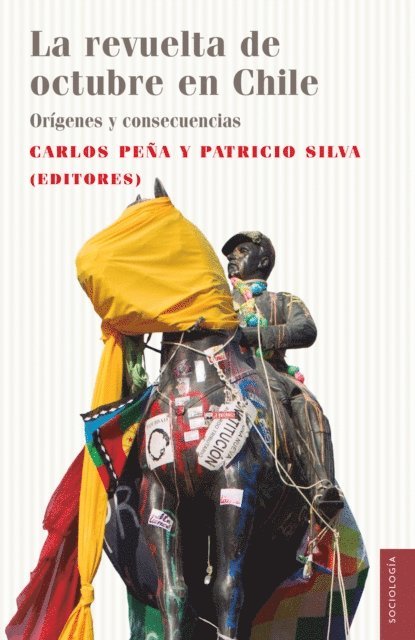
This book investigates why Chile suddenly confronted a violent social revolt in October 2019, after almost thirty years of political stability, during which time the country was broadly regarded as Latin America’s most successful nation.Since democratic restoration in 1990, Chile’s relatively high levels of political stability, increasing prosperity and social modernisation have stood out in a region shaken by political convulsion and economic malaise. In early October 2019, President Sebastián Piñera confidently claimed that Chile represented a true ‘oasis’ of political stability and economic vitality in Latin America. However, just weeks later, the announcement of a small increase in the price of Santiago’s underground transport system unleashed an unprecedented wave of violent anti-government protests in the country, with protestors ultimately demanding Piñera’s resignation and the end of neoliberalism and the 1980 Constitution, among many other demands. This book analyses the causes of Chile’s socio-political upheaval, arguing that the fast social and economic modernisation produced by the neoliberal system led to a series of destabilising socio-political processes in the country.At a time when much analysis of the October uprising tends to be superficial or polarised on ideological grounds, this book provides a much-needed sociological and institutional analysis of the crisis. It will be an important read for scholars of Latin American politics and development, as well as those with a broader interest in state legitimacy, social movements and political contestation against neoliberalism.
2 088 kr
Skickas inom 10-15 vardagar
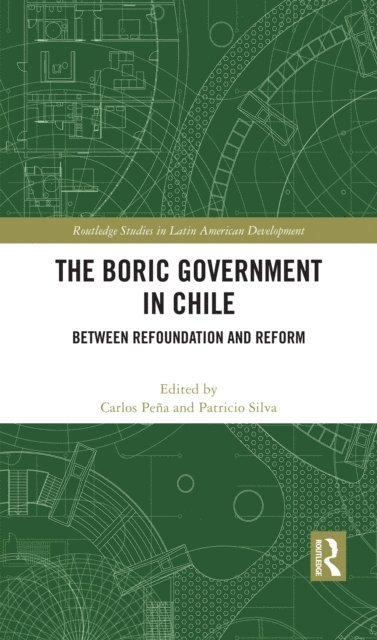
This book analyses the victory of Gabriel Boric in Chile during the presidential elections of December 2021. He brought the radical left into power, after three decades of centre- left and right- wing governments. In order to explain this abrupt political mutation in the country, the book explores a series of fast and deep social and cultural transformations experienced in the country in the last decades. In addition, the book considers the main features of the new Boric government both in terms of goals and in terms of performance in his first year in office in several key areas of policy making. The triumph of the radical left in Chile poses several questions regarding the ability of the Boric administration to guarantee political and economic stability in the country. Among the greatest challenges the Boric government will have to face in the coming years are the reduction of inflation, the reactivation of the economy, the regulation of illegal immigration and the improvement of public security among the population. This book constitutes the first major academic attempt in the English language to provide a broad analysis of the Boric government in Chile and the changes the country will experience in the years ahead. The book will be of interest to students, scholars and practitioners who are interested in the evolution of the Latin American left in general, and the Chilean left in particular. The book has been conceived from a multidisciplinary perspective, including insights coming from history, sociology, political science, economics, institutional law and development studies.
576 kr
Skickas inom 10-15 vardagar
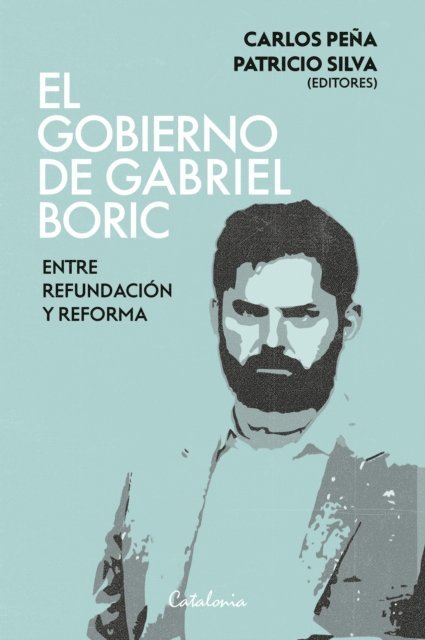
This book analyses the victory of Gabriel Boric in Chile during the presidential elections of December 2021. He brought the radical left into power, after three decades of centre- left and right- wing governments. In order to explain this abrupt political mutation in the country, the book explores a series of fast and deep social and cultural transformations experienced in the country in the last decades. In addition, the book considers the main features of the new Boric government both in terms of goals and in terms of performance in his first year in office in several key areas of policy making. The triumph of the radical left in Chile poses several questions regarding the ability of the Boric administration to guarantee political and economic stability in the country. Among the greatest challenges the Boric government will have to face in the coming years are the reduction of inflation, the reactivation of the economy, the regulation of illegal immigration and the improvement of public security among the population. This book constitutes the first major academic attempt in the English language to provide a broad analysis of the Boric government in Chile and the changes the country will experience in the years ahead. The book will be of interest to students, scholars and practitioners who are interested in the evolution of the Latin American left in general, and the Chilean left in particular. The book has been conceived from a multidisciplinary perspective, including insights coming from history, sociology, political science, economics, institutional law and development studies.