Carol Helstosky – författare
Visar alla böcker från författaren Carol Helstosky. Handla med fri frakt och snabb leverans.
5 produkter
5 produkter
675 kr
Skickas inom 10-15 vardagar
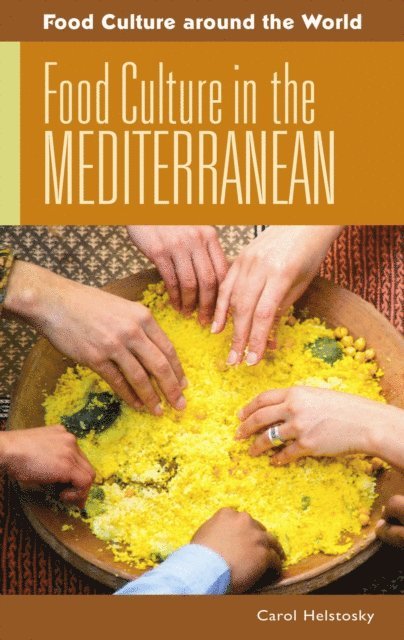
Food that originated from the Mediterranean area is incredibly popular. Pasta, pizza, gyros, kebab, and falafel can be found just about everywhere. Many people throughout the world have a good idea of what Mediterranean cuisine and diet are all about, but they know less about the entire food culture of the region. This one-stop source provides the broadest possible understanding of food culture throughout the region, giving a variety of examples and evidence from the southern Mediterranean or North Africa (Morocco, Algeria, Tunisia, Libya, and Egypt), the Western Mediterranean or European side of the Mediterranean (Spain, France, Italy, and the French and Italian islands), to the eastern Mediterranean or Levant (Greece, Turkey, Syria, Lebanon, and Israel).The Mediterranean region region is home to three of the world's major religions, and for centuries, the Mediterranean Sea has been an invitation to trade, travel, conquest, and immigration. Where different cultures, beliefs, and traditions mix there is always volatility and tension, but there is also great energy. Understanding the food culture in the Mediterranean is one way readers can see how people of different regions come together, share ideas and information to create new dishes, meals, traditions, and forms of sociability. This volume answers questions such as Do people in the Mediterranean still eat the Mediterranean Diet or do they eat American style? Why is it that the same ingredients can be prepared in so many different ways, even in the same country? Why would cooks take the time to make foods like zucchini, lentils, or figs into dozens of different dishes? How and why do religious rituals differ regarding food preparation? What do Jews, Muslims, and Christians eat on religious holidays? Do people eat out or eat at home? Why is hospitality so important to Mediterranean people and what do they do to demonstrate hospitality and good will through the preparation and serving of meals?
749 kr
Skickas inom 10-15 vardagar
The history of food is one of the fastest growing areas of historical investigation, incorporating methods and theories from cultural, social, and women’s history while forging a unique perspective on the past. The Routledge History of Food takes a global approach to this topic, focusing on the period from 1500 to the present day. Arranged chronologically, this title contains 17 originally commissioned chapters by experts in food history or related topics. Each chapter focuses on a particular theme, idea or issue in the history of food. The case studies discussed in these essays illuminate the more general trends of the period, providing the reader with insight into the large-scale and dramatic changes in food history through an understanding of how these developments sprang from a specific geographic and historical context.Examining the history of economic, technological, and cultural interactions between cultures and charting the corresponding developments in food history, The Routledge History of Food challenges readers' assumptions about what and how people have eaten, bringing fresh perspectives to well-known historical developments. It is the perfect guide for all students of social and cultural history.
3 435 kr
Skickas inom 10-15 vardagar
The history of food is one of the fastest growing areas of historical investigation, incorporating methods and theories from cultural, social, and women’s history while forging a unique perspective on the past. The Routledge History of Food takes a global approach to this topic, focusing on the period from 1500 to the present day. Arranged chronologically, this title contains 17 originally commissioned chapters by experts in food history or related topics. Each chapter focuses on a particular theme, idea or issue in the history of food. The case studies discussed in these essays illuminate the more general trends of the period, providing the reader with insight into the large-scale and dramatic changes in food history through an understanding of how these developments sprang from a specific geographic and historical context.Examining the history of economic, technological, and cultural interactions between cultures and charting the corresponding developments in food history, The Routledge History of Food challenges readers' assumptions about what and how people have eaten, bringing fresh perspectives to well-known historical developments. It is the perfect guide for all students of social and cultural history.
668 kr
Skickas inom 10-15 vardagar
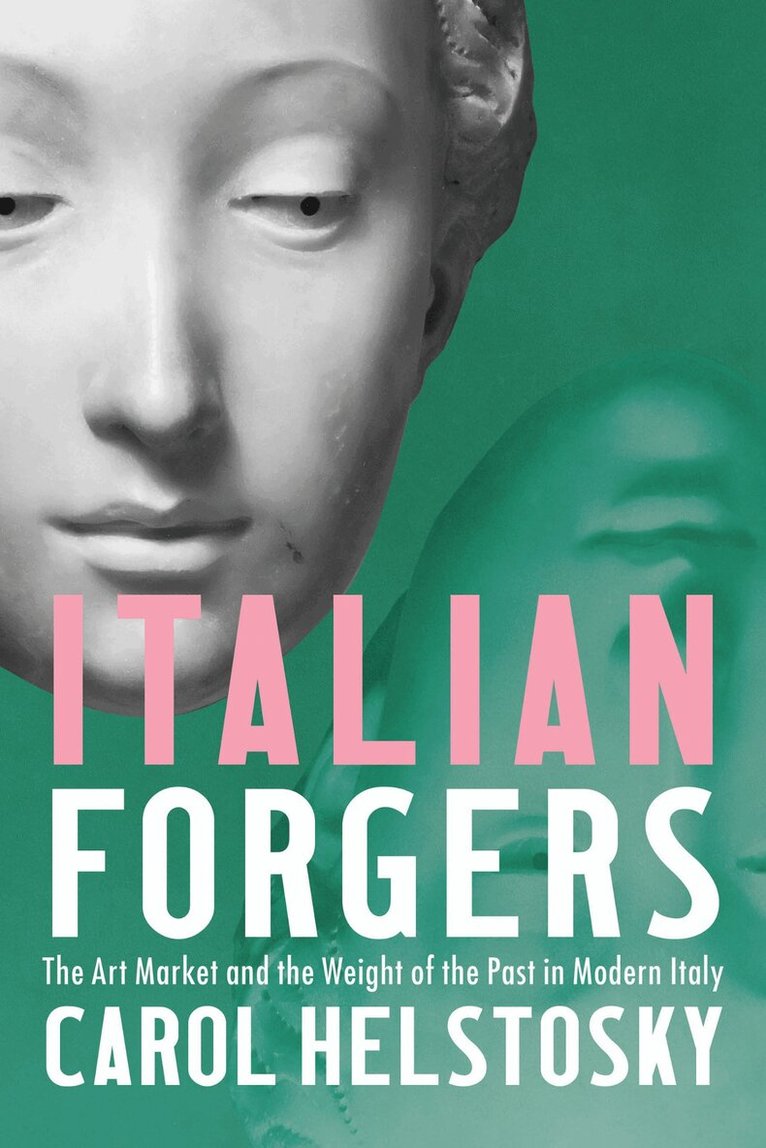
Italian Forgers takes an unorthodox approach to the fascinating topic of art forgery, focusing not on art forgery per se, but on the major forgery scandals that shifted the Italian art market in response to constant, and often intense, demand for Italian objects. By focusing on power dynamics that both precipitated forgery scandals and forged Italian cultural identities, this book connects the debates and discussions about three well-known Italian forgers—Giovanni Bastianini, Icilio Joni, and Alceo Dossena—to anchor and investigate the mechanics of the Italian art market from unification through the fascist era.Carol Helstosky examines foreign accounts of transactions and Italian writings about the art market. The actions and words of Italian dealers illustrate how the Italian art and antiquities market was an undeniably modern industry, on par with tourism in terms of its contribution to the Italian economy and to understandings of Italian identity. These accounts also reveal how dealers, artists, go-betweens, guides, and restorers worked to not only meet the intense demand for Italian products but also to develop highly sophisticated business practices to maintain financial stability and respond to shifts in demand consciously (but not always conscientiously).Italian Forgers weaves a compelling narrative about the history of Italian identity, forgery, and the value of the past. As a result, Helstosky brings historical perspective to the study of art forgery and art fraud. She reveals how historical circumstances and structural imbalances of cultural power shaped the market for art and antiquities and amplified incidents of art deception and forgery scandals.
146 kr
Tillfälligt slut
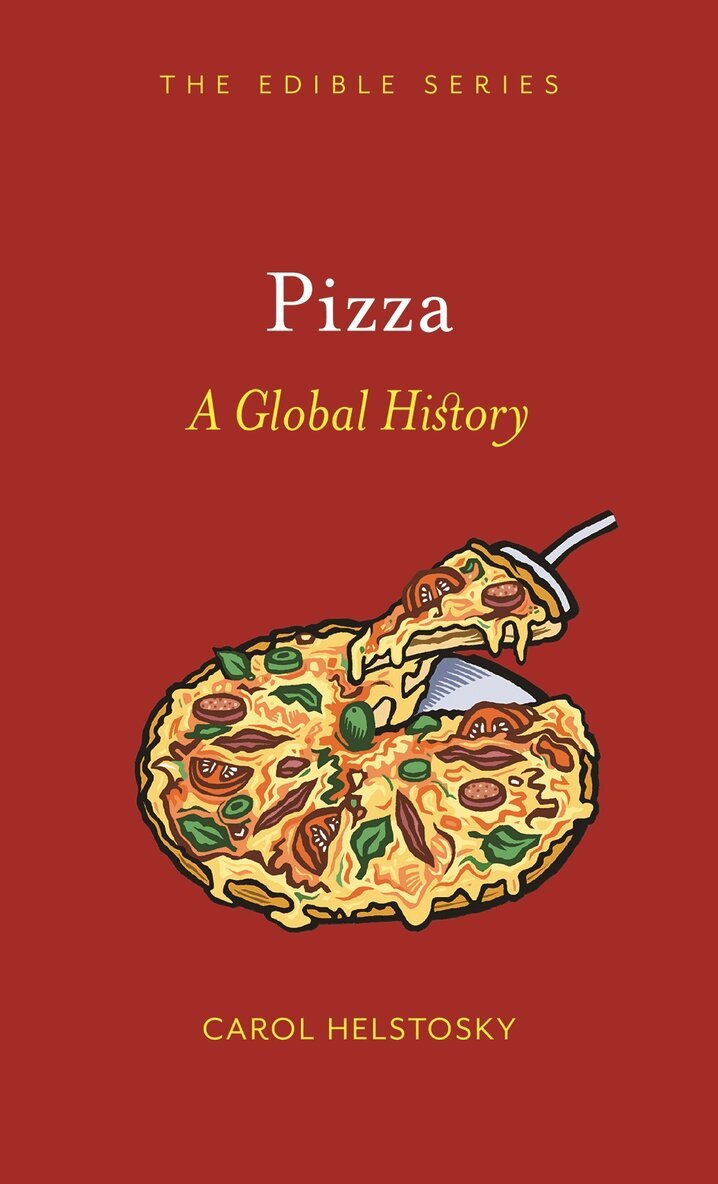
Thin crust, Chicago deep-dish or Sicilian; there are countless ways to create the dish called pizza, and the debate over the best way to cook it never ends. Carol Helstosky documents the fascinating history and cultural life of this chameleon-like food in Pizza.Originally a food for the poor in eighteenth-century Naples, pizza is a source of national and regional pride in Italy as well as of cultural identity. In the twentieth century, pizza followed Italian immigrants to America, where it became the nation’s most popular dish and fuelled the rise of successful fast-food corporations such as Pizza Hut and Domino’s. Pizza has been adapted to local cuisines and has become a metaphor for cultural exchanges. From the world’s largest pizza, which was 37.4 metres (122 ft 8 in) in diameter, to the most expensive – sprinkled with edible 24-carat gold shavings – pizza is one of the world’s best-loved and most adaptable dishes.Pizza also features several tasty recipes and a wealth of illustrations. Whether you love sausage and onions on your pizza or just unadorned cheese, Pizza will satisfy even the pickiest of readers.